REVIEW · LISBON
Song of the Sea: Fish, Seafood and Tradition in Lisbon’s Port Zone
Book on Viator →Operated by Culinary Backstreets Walks · Bookable on Viator
Food can be a shortcut to Lisbon.
This 5-hour small-group tasting walk turns the city’s port-side traditions into a real, step-by-step meal. You start with a lively market, then move through classic landmarks and working neighborhoods—so you’re not just eating, you’re learning why these flavors belong together.
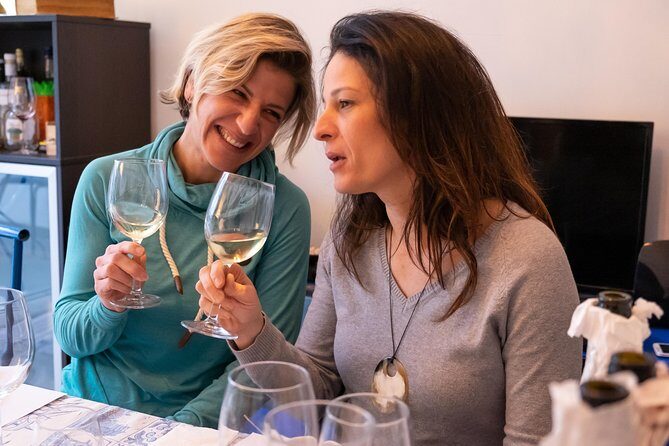
I like how hands-on it feels: you get snacks, coffee or tea, lunch, and alcoholic beverages during the walk, and the tastings are built around Lisbon’s seafood-and-staples culture. I also like that the pace is social and guided, not rushed—so you can ask questions and actually understand what you’re tasting. One thing to consider: there’s walking with some uphill stretches, so wear comfortable shoes and be ready for moderate effort.
In This Review
- Why Song of the Sea Works So Well in Lisbon’s Port Zone
- Key Highlights You’ll Feel Right Away
- Time Out Market Lisboa: The Smart Start for Your Lisbon Food Day
- Chafariz da Esperança: Landmarks, Side Stops, and a Coffee Moment
- Jardim 9 de Abril: A Park Stop That Feels Like a Breather
- Alcântara-Mar: Seafood Area Energy and Real Shop Conversations
- Museu Nacional de Arte Antiga Area: Food Near Art, Without the Museum
- What’s Included (and Why It Changes the Value)
- Pace and Physical Fitness: The Part You Should Not Ignore
- Meeting Point and Route End: Easy to Plug Into Your Day
- Who Should Book Song of the Sea?
- Should You Book Song of the Sea?
- FAQ
- How long is the Song of the Sea food tour in Lisbon?
- What does the tour cost?
- Is the tour offered in English?
- What is included in the price?
- Is private transportation included?
- Where do I meet the tour and where do we end?
- How large is the group?
- What if the weather is bad?
Why Song of the Sea Works So Well in Lisbon’s Port Zone
This tour is designed like a friendly food route, not a “look but don’t touch” sightseeing day. You’re moving through places locals use—markets, café corners near historic spots, and seafood-area shops—then stopping long enough to eat and talk. The result is that you leave with a head full of practical ideas for ordering in Lisbon, not just a list of foods you sampled.
The theme is fish, seafood, and tradition, but the experience is more about Lisbon’s everyday food logic: what’s seasonal, what goes together, and how small businesses keep quality alive. A guide helps connect the dots as you walk—what you’re tasting, where it fits, and what to watch for when you eat on your own later.
And because the group is capped at 7 people, you get real conversation time instead of waiting your turn behind a crowd.
Key Highlights You’ll Feel Right Away
- Market-to-neighborhood flow that keeps tastings connected to real places
- Lunch plus coffee/tea and alcoholic beverages included, so you’re not doing math all day
- Small group size (max 7) for questions, stories, and a calmer pace
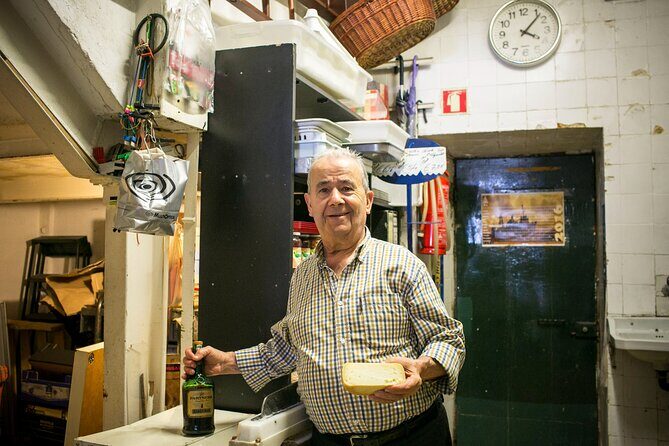
- Local producers and shop owners who can explain what they make and why
- Seasonal seafood focus with both savory and sweet bites in the mix
You can also read our reviews of more tours and experiences in Lisbon.



Time Out Market Lisboa: The Smart Start for Your Lisbon Food Day
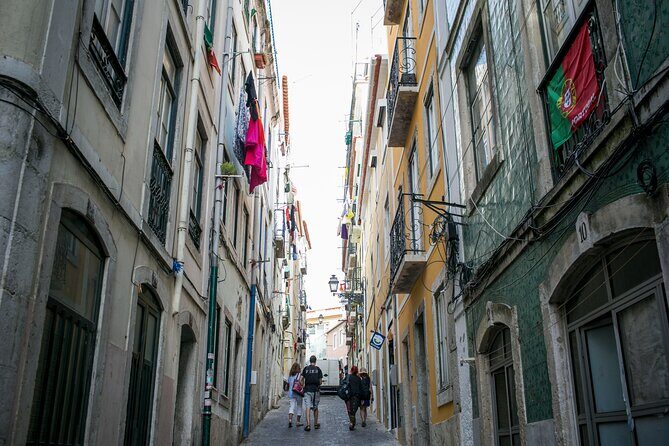
You begin at Time Out Market Lisboa (Mercado da Ribeira). It’s a strong meeting point because you can orient fast, grab the first snack energy, and see how the food scene is organized. The tour also uses this stop to set the theme for what’s coming next—seasonal products, local makers, and that working-market feel.
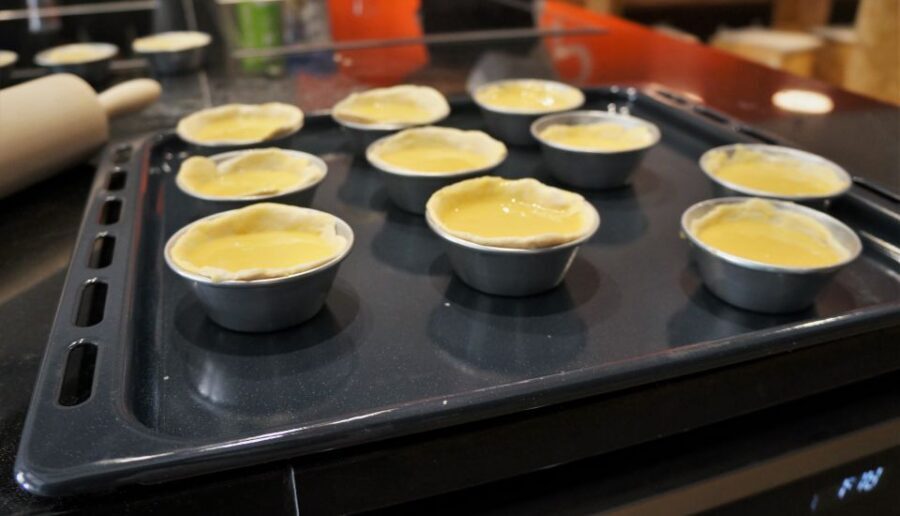
This is where you’ll likely taste a few of the classics people associate with Lisbon—think things like pastries and seafood-style bites. Even when the first samples are small, they matter. They prime your taste buds so later stops feel like a story continuing, not random eating.
The one drawback: this is where you’re most likely to feel the schedule tighten. It’s about the first hour of the day, so arrive on time and come hungry in a good way, not painfully stuffed from breakfast.
Chafariz da Esperança: Landmarks, Side Stops, and a Coffee Moment
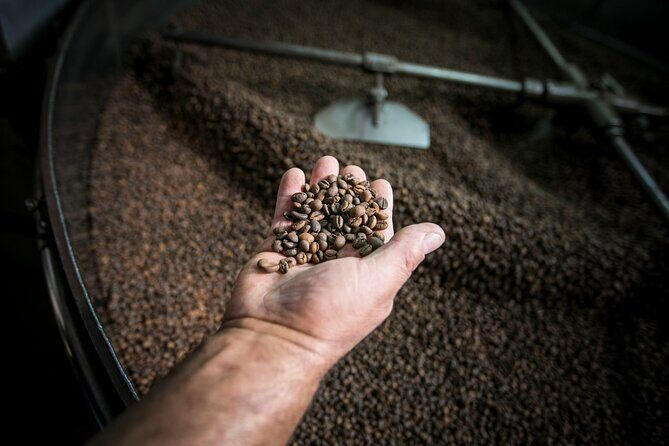
Next you head toward Chafariz da Esperança, a historic landmark area where the tour slows down just enough to make the walking feel like an exploration. Around this spot, you’ll discover some lesser-known stops that many first-time visitors miss.
This section is useful because it balances food with “why Lisbon looks like it does.” When a guide points out details around old waterworks and the surrounding streets, it helps you understand why certain neighborhoods became food hubs in the first place.
There’s also room for something practical: you might stop for a cup of coffee. That can sound minor, but it’s a good reset mid-walk, especially if you’re pacing yourself through seafood tastings and want a break from salty flavors.
Jardim 9 de Abril: A Park Stop That Feels Like a Breather
At Jardim 9 de Abril, the tour takes you to a park with views over what you’re heading toward. This hour isn’t just for “sit and look.” It’s a breather built into the route so you can recover your legs and keep your attention on the food-and-neighborhood story.
You also get a practical benefit: when you’re walking through hills (Lisbon does this to everyone), a park stop helps you regulate your pace. You’re not sprinting between tastings. You’re moving, resting, then eating again.
This stop comes with admission included, so you’re not scrambling for another ticket once you’re there.
Alcântara-Mar: Seafood Area Energy and Real Shop Conversations

The route then moves to Alcântara-Mar, where the tour leans into its seafood theme. This is the part I’d describe as the most “local life” segment: you’re around seafood-area shops and you get the chance to meet shop owners if they’re available.
That’s a big deal. Seafood tastings become way more interesting when someone can explain the mindset behind the product—how freshness is handled, how certain preparations fit the Portuguese diet, and what shop pride looks like at street level.
You’ll likely sample a range of seafood-style bites here, and based on past experiences on this route, that can include things like sardines and other classic pairings. The goal isn’t one heavy plate. It’s multiple small tastes that build a clearer picture of the Portuguese seafood spectrum.
The main consideration in this stretch is walking comfort. If your feet are already tired from the start of the day, this is where you’ll want your shoes to do their job. The effort is not extreme, but Lisbon adds hills to your agenda.

Museu Nacional de Arte Antiga Area: Food Near Art, Without the Museum
You end with a stop around the Museu Nacional de Arte Antiga area, and the tour notes that you won’t go into the museum. Instead, you’ll find more amazing food close by, keeping the day focused on eating rather than turning into a museum tour.
This ending approach works for most people. By the time you reach this area, you’ve already learned the rhythm of the walk: arrive, taste, listen, then move. Dropping museum time helps you keep the energy for one more round of bites—especially if you’ve been enjoying the guide’s explanations about Portuguese food traditions.
Timing-wise, this segment is about 45 minutes, so think of it as a final flavor chapter. It’s also a good moment to ask practical questions like what you should order next if you’re eating on your own that evening.
What’s Included (and Why It Changes the Value)

On paper, $150 per person is a real number. In practice, the value depends on what you’d otherwise spend in Lisbon.
Here, your tour includes:
- Snacks
- Bottled water
- Coffee and/or tea
- Lunch
- Alcoholic beverages
That matters because Lisbon meals—especially if you add wine—can add up fast. This format removes decision fatigue. You don’t have to guess how much food you need or what to pair with seafood. You just follow the route and taste what the guide has planned.
You still pay attention to the tasting style—small portions across multiple stops—so you can keep enjoying variety rather than committing to one big meal you might later regret. Also, since private transportation isn’t included, the tour relies on walking and the fact that the route is near public transportation. For most visitors, that’s a good match: you get the city vibe while staying efficient.
Pace and Physical Fitness: The Part You Should Not Ignore
This experience is listed for travelers with moderate physical fitness, and some reviews point to uphill stretches. That aligns with Lisbon’s geography: even when a walk route looks short on a map, your legs feel it on the ground.
My practical advice:
- Wear shoes you trust on cobblestones and slopes.
- Don’t plan a long night out immediately after.
- If you’re sensitive to hills, consider taking your time during each tasting stop to let your breathing settle before the next climb.
The good news is that it’s only about 5 hours, and the route has breaks built in—like the park stop—so it doesn’t feel like a nonstop grind.
Meeting Point and Route End: Easy to Plug Into Your Day
You start at Time Out Market (Mercado da Ribeira), Av. 24 de Julho, 1200-479 Lisboa at 9:45 am. You finish around Alcântara, 1350-279 Lisboa.
That matters because ending in Alcântara can give you a natural continuation option: you’re not forced into retracing your steps back to the city center for the evening. If you’re staying near public transport lines, getting around after the tour is usually simple.
Also, the tour uses a mobile ticket, so you don’t need to hunt for printed vouchers.
Who Should Book Song of the Sea?
This tour fits best if you want:
- A guided way to eat Lisbon seafood culture without guessing what’s worth it
- A small-group experience with time to ask questions
- A food day that includes more than one stop and more than one style of bite
- A mix of practical explanations and actual eating—coffee, lunch, and alcohol included
It’s also a good choice if you like markets and neighborhood wandering but don’t want to do it alone. Instead of building your own route from scratch, you can trust the sequence and spend your attention tasting and learning.
If you’re the type who hates walking or you want a purely seated meal experience, this may feel too active. The route is designed around movement and a natural pace, not a restaurant-hopping plan where you can stay parked.
Should You Book Song of the Sea?
I’d book it if you want a Lisbon food day that feels grounded in real places and real shop talk, with a guide steering you toward tastings you’d probably miss on your own. The biggest reasons are the small group size, the fact that lunch plus drinks are included, and the route’s logic—from a market start into the port-area neighborhoods.
I wouldn’t book it if hills are a deal-breaker for you or if you’d rather spend your day in one or two restaurants instead of walking between several food stops. For most visitors, though, it’s an efficient way to learn how Lisbon seafood tradition turns into what you eat in the present.
FAQ
How long is the Song of the Sea food tour in Lisbon?
It runs for about 5 hours.
What does the tour cost?
The price is $150.00 per person.
Is the tour offered in English?
Yes, it’s offered in English.
What is included in the price?
The experience includes snacks, bottled water, coffee and/or tea, lunch, and alcoholic beverages.
Is private transportation included?
No, private transportation is not included.
Where do I meet the tour and where do we end?
You meet at Time Out Market (Mercado da Ribeira), Av. 24 de Julho, 1200-479 Lisboa. The tour ends around Alcântara, 1350-279 Lisboa.
How large is the group?
The maximum group size is 7 travelers.
What if the weather is bad?
The experience requires good weather. If it’s canceled due to poor weather, you’ll be offered a different date or a full refund. Free cancellation is available up to 24 hours in advance for a full refund.