REVIEW · LISBON
Private Transfer Lisbon-Porto with 2 (two) visits
Book on Viator →Operated by Plainsight · Bookable on Viator
A smooth ride can also be a tour. This private Lisbon-to-Porto transfer turns travel time into big Portugal moments, with two sightseeing stops worked into a comfortable, air-conditioned car. Think medieval streets, famous pilgrimage grounds, and canal-town views without the hassle of coordinating trains and buses.
I especially love the flexibility. You can choose the two stops that fit your interests, and many people end up pairing places like Fatima and Nazaré because they feel so different. I also like the driver-guided approach, where guides such as Antonio, Hugo, and Diogo bring context to what you’re seeing and make the day feel easy to handle.
One possible drawback is that the timing is ambitious. You’re looking at about 7 hours 30 minutes, so if you try to pack too much into short visits, it can feel like a sprint. And since lunch isn’t included, you’ll want to think about snacks and where you’ll eat before you get stuck with a rushed meal.
In This Review
- Key highlights you’ll actually care about
- How This Private Transfer Works: Two Stops Built Into the Ride
- Price and Value: What $350.90 Per Person Buys
- Pickup in Lisbon, Sintra, Estoril, and Cascais
- Stop Choice That Feels Personal: Óbidos, Nazaré, Batalha, Fatima, Aveiro, Coimbra
- Óbidos: Medieval Streets, Fast Charm
- Nazaré: A Fishing Town With the Wave Reputation
- Batalha’s Late-Gothic Monastery: When “World Heritage” Feels Concrete
- Fatima: Pilgrimage, Iconic Chapel, and Big Spiritual Meaning
- Aveiro: Canals, Moliceiros, and Art Nouveau Details
- Coimbra: University City and Royal Burial Sites
- Your Driver Matters: Antonio, Hugo, and Diogo’s Impact
- Practical Tips for Lunch, Time Windows, and a Smoother Arrival in Porto
- Should You Book This Tour or Go Direct?
- FAQ
- How long is the Lisbon to Porto private transfer with visits?
- What does the price include?
- Are admission tickets included for the stops?
- Do I choose which two visits to make?
- Where does pickup happen?
- Is lunch included?
- Can I cancel for a full refund?
- Is it offered in English, and is it a private group?
Key highlights you’ll actually care about
- Private door-to-door pickup from Lisbon hotels/hostels/Airbnb, with pickup by request in Sintra, Estoril, and Cascais
- Two curated visits inside a long-distance transfer, so you don’t waste the day driving with nothing to show for it
- Comfort features like WiFi on board and air-conditioned transport for the long ride
- Driver attention is a standout, with named guides Antonio, Hugo, and Diogo earning praise for care and good pacing
- Iconic stop options along the route, including Óbidos, Nazaré, Batalha, Fatima, Aveiro, and Coimbra
How This Private Transfer Works: Two Stops Built Into the Ride
This is not just a straight shot from Lisbon to Porto. The whole idea is that you get a private transfer, then spend your sightseeing time en route. You’re traveling between two major cities, but you’re not sacrificing the “in-between” parts of Portugal that make the route worth doing.
The experience is priced per person and runs for about 7 hours 30 minutes. In that window, the plan is built around two visits, chosen to match what you want most. The route options include Óbidos, Nazaré, Batalha, Fatima, Aveiro, and Coimbra, and the schedule is designed so you can get meaningful time at each stop rather than a quick drive-by.
Here’s what that means for you: if you want a smooth day, you can keep it simple and choose two stops that fit your vibe. If you want a “greatest hits” approach, you can choose two places that cover different sides of Portugal—say, pilgrimage and seaside, or medieval and canals.
You can also read our reviews of more private tours in Lisbon



Price and Value: What $350.90 Per Person Buys

At $350.90 per person, this isn’t a budget transfer. You’re paying for privacy, comfort, and guided time at stops. In other words, you’re buying convenience, not just transportation.
What you get that helps justify the price:
- Private vehicle with air-conditioning
- WiFi on board for the ride
- Insurance included
- A mobile ticket
- A driver/guide who helps shape the day, not just drive between points
Compared to doing Lisbon-to-Porto by train or bus and then trying to squeeze sightseeing into the same calendar, this can feel like good value if you hate rushing. Also, the stops are listed as free admission on the plan, which matters when you’re adding multiple places.
The main “value test” I’d use is this: if you care about seeing more than two places, or you hate the stress of connections, the private structure pays off. If you only want a fast, no-frills transfer, a cheaper direct option might suit you better.
Pickup in Lisbon, Sintra, Estoril, and Cascais
What makes this easy is that pickup is designed around real travel days. In Lisbon, you can be collected from hotels, hostels, and Airbnb. If you’re starting in the surrounding areas, pickup is available by request in Sintra, Estoril, and Cascais.
That matters because these places can be tricky. Station-to-city travel, taxi lines, and timing mismatches can turn a smooth day into a headache. Door-to-door pickup reduces that risk, and you can start sightseeing without losing time figuring out the logistics.
The transfer is also private, so it’s only your group in the vehicle. That’s a big deal if your group wants a calm pace, prefers a specific stop, or just doesn’t want to coordinate with strangers.
Stop Choice That Feels Personal: Óbidos, Nazaré, Batalha, Fatima, Aveiro, Coimbra
The itinerary includes six classic route stops. Even though you’re only selecting two visits, having the options matters because it lets you tailor the day.
Here’s how I’d think about your choices:
- Óbidos for a medieval-feeling village moment
- Nazaré for a seaside fishing town with a reputation for giant waves
- Batalha for a late Gothic monastery linked to Portugal’s 14th-century story
- Fatima for pilgrimage and spirituality tied to events from 1917 and construction work beginning in 1919
- Aveiro for canal views and the moliceiros boat vibe, plus Art Nouveau touches
- Coimbra for an education-and-royalty city, including the oldest University of Portugal and burial sites of Portugal’s early kings
Picking two stops like Fatima + Nazaré works well because they feel like two different Portugal flavors in one day: solemn and spiritual on one side, coastal and local on the other. Picking Óbidos + a city like Aveiro can also be a nice contrast: medieval lanes paired with water channels.
Óbidos: Medieval Streets, Fast Charm
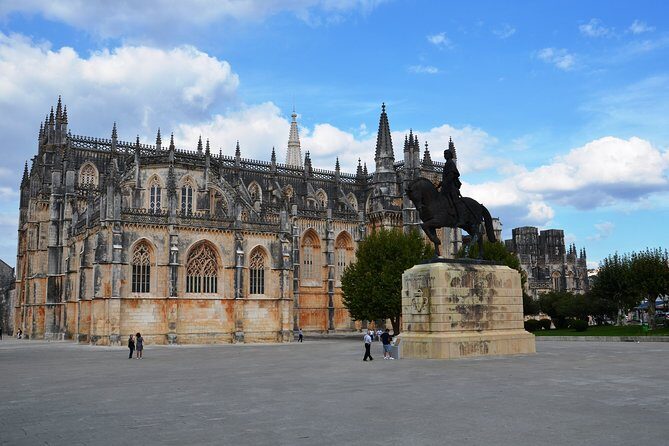
Óbidos is the kind of place where you quickly get why people fall for Portugal’s small-town charm. It’s medieval, highly preserved, and very photogenic without feeling staged. You don’t need hours of planning to enjoy it. The experience is built for a visit that lets you walk, look, and soak in the vibe.
In practical terms, your time is short, so I’d focus on movement. Walk the lanes, pause where the views look best, and don’t over-plan every minute. The goal isn’t to “finish” Óbidos. It’s to enjoy what’s right in front of you: narrow streets, historic atmosphere, and that sense of stepping back in time.
If your group loves old towns and easy wandering, Óbidos is a smart stop. If your group wants museums or long guided deep sessions, you might find the time window tight—though the charm still usually wins people over.
You can also read our reviews of more tours and experiences in Lisbon






Nazaré: A Fishing Town With the Wave Reputation
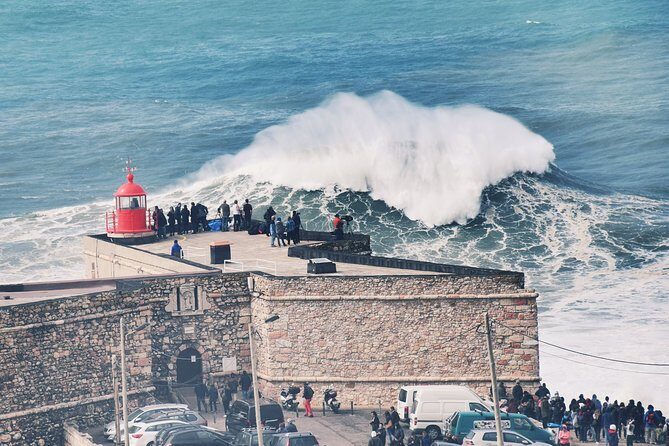
Nazaré is a small fishing village north of Lisbon, and it’s famous for the giant waves that have made headlines over the years. Even if you can’t guarantee the biggest waves on a given day, you’ll still get the essential Nazaré experience: the seaside town energy and the local culture that goes with it.
This stop is best if you like coastal places that feel lived-in rather than theme-park touristy. You’ll likely spend your time looking around, taking in the sea views, and enjoying the contrast between village life and the dramatic reputation Nazaré has.
One practical consideration: because it’s known for wave conditions, the exact spectacle can vary. Your visit is still worthwhile for the town itself, but set your expectations around atmosphere and views, not a guaranteed extreme-wave show.
Batalha’s Late-Gothic Monastery: When “World Heritage” Feels Concrete
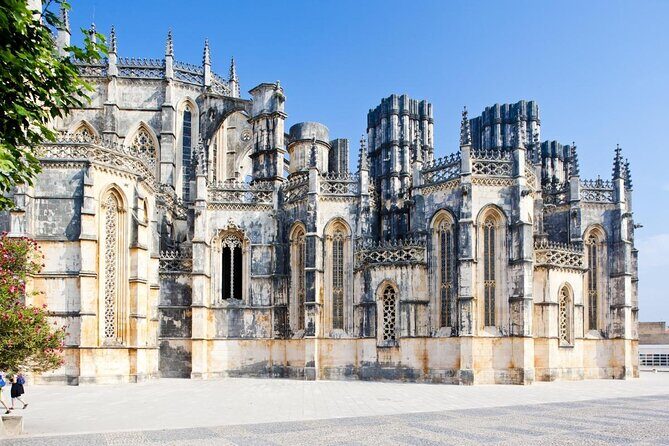
Batalha is tied to Portugal’s 14th-century story after a battle, and it’s a World Heritage site. The centerpiece is its monastery, described as late Gothic, which is the kind of architectural detail that rewards time spent in the right places.
In a shorter stop, you want to keep it focused. Instead of trying to see everything at once, pick a few key angles and let the design do the talking. Gothic architecture can feel overwhelming if you rush, so the best approach is to slow down in the areas that show the most detail.
Batalha is a good choice if you want your day to include something structured and historically anchored. If you and your group prefer scenic wandering over monuments, you might feel this stop is more “thinky” than “stroll-y,” but it still tends to land well because it’s easy to connect the site to Portugal’s broader timeline.
Fatima: Pilgrimage, Iconic Chapel, and Big Spiritual Meaning
Fatima is the largest pilgrimage and spirituality destination in Portugal. It’s known for events starting in 1917, with construction for the chapel beginning in 1919, and that chapel is one of the icons of the country.
In about an hour and a half, you can understand why Fatima pulls people in. It’s not just a building or a quick photo stop. The place has a tone. You’ll notice how people move, what they pay attention to, and how the site’s meaning comes through without needing a long lecture.
This stop works especially well if you enjoy cultural or religious heritage that goes beyond surface-level tourism. It can also be grounding if your group has been moving fast and wants a calmer, more reflective pause.
If your group prefers beaches or markets, Fatima might feel heavier than the seaside stops. That said, the ability to choose your two visits lets you balance the emotional mood of the day.
Aveiro: Canals, Moliceiros, and Art Nouveau Details
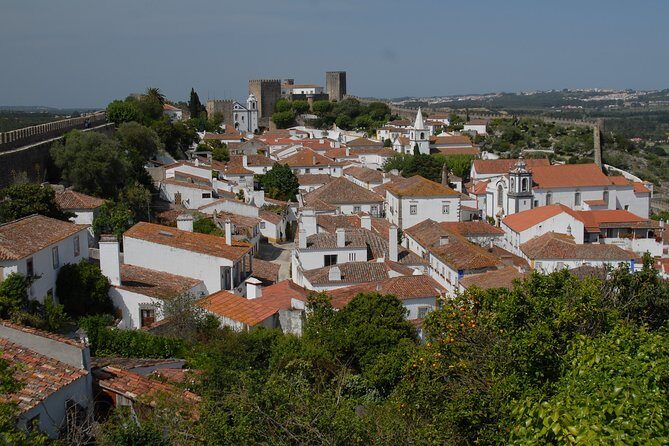
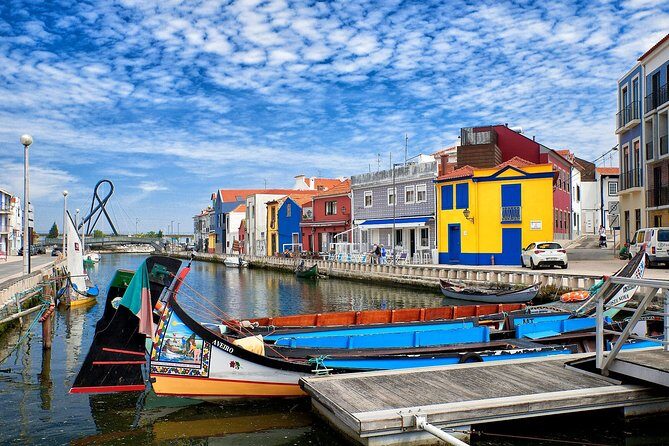
Aveiro is often described as the Portuguese Venice, but the more helpful way to think of it is this: you’re in a city built around water channels. The moliceiros boats add color and local character, and the city also has examples of Art Nouveau.
This is a stop for people who like atmosphere and visual variety. Even if you don’t spend the entire time on the water, you’ll still feel the water-in-the-city rhythm through the streets, views, and how people live around the channels.
There’s also a nice planning advantage. If your group needs a break from monuments, Aveiro offers a more relaxed feel. You can walk and keep adjusting your route as you discover what grabs your attention.
One note: in a short stop, it’s easy to skim the surface. If you want the canals and boat vibe to be the highlight, keep your pace and don’t let yourselves drift into unrelated errands.
Coimbra: University City and Royal Burial Sites
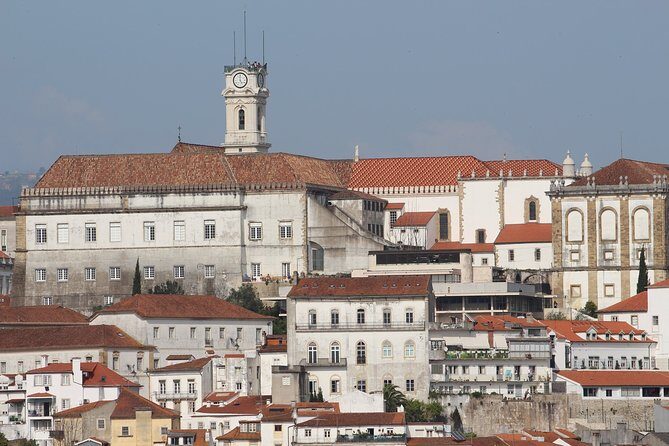
Coimbra is Portugal’s largest city in the Center region, with a population around 150,000, and it’s one of the most historic cities in that part of the country. The star is the oldest University of Portugal. There’s also a royal connection: the first two kings of Portugal were buried here.
In practical terms, Coimbra offers that “place with purpose” feeling. It’s not only scenic. It has an identity tied to learning and monarchy. Even with limited time, your visit can feel like you’re stepping into a long-running story, not just viewing buildings.
If your group enjoys universities, old institutions, and cities where education and culture overlap, Coimbra is a strong choice. If you’re chasing only postcard views, it may take a little more effort to enjoy it fully, since the meaning is tied to history and civic life.
Your Driver Matters: Antonio, Hugo, and Diogo’s Impact
The best part of this experience is how the day feels in the car. People praise the drivers for being attentive and caring, and that shows up in small ways: staying on schedule without rushing, checking that everyone is engaged, and offering useful recommendations for what to do when you arrive in Porto.
Specific guides come up repeatedly, including Antonio, Hugo, and Diogo. The common thread is approachability and a knack for explaining what you’re seeing in a way that clicks. One key moment I’d underline is flexibility. If your schedule changes slightly—like a morning check-out in Lisbon or a late arrival into Porto—the guide can help adjust your stop choices so the day still feels worth it.
Also, the car itself tends to be described as comfortable. That matters because you’re spending the majority of the day seated in transit. When the vehicle is comfortable and the ride is smooth, your energy holds up for the sightseeing.
Practical Tips for Lunch, Time Windows, and a Smoother Arrival in Porto
Lunch isn’t included, so don’t wing it. The itinerary is built on timed stops, and without a plan you can end up spending your limited time hunting for food. I’d treat this like a day-trip rhythm: grab a snack before you start, then aim for a simple meal during or after your final stop.
Since your total time is fixed, keep your “must-do” list small. Two visits is a good number because it prevents burnout. If you start thinking about adding extra stops, you’ll likely feel the squeeze. The value of this experience is that you get time for two places that actually matter to you.
Finally, give yourself a little buffer for arriving in Porto. You may even get a nice skyline view on the approach, which is exactly the sort of moment you want to be able to enjoy without feeling rushed. Once you’re dropped off, you’ll be ready to plan the next steps in Porto because your day won’t end with you exhausted from complicated transfers.
Should You Book This Tour or Go Direct?
Book it if:
- You want a private Lisbon-to-Porto transfer with sightseeing value built in
- You like the idea of choosing exactly two stops that match your interests
- You care about comfort, WiFi, and pickup from your lodging
- You want a guide who can connect the dots about what you’re seeing
Skip it if:
- You only want the fastest possible route and don’t care about stopping en route
- Your group gets impatient with shorter visits
- You’d rather plan meals and stops on your own without relying on a set schedule
My take: this is a strong choice for first-timers who want more Portugal per day without the chaos. If your two chosen stops hit your interests, the private structure makes the long distance feel like part of the trip, not a delay.
FAQ
How long is the Lisbon to Porto private transfer with visits?
It runs for about 7 hours 30 minutes (approx.), including the drive and the time at your selected stops.
What does the price include?
The price includes insurance, an air-conditioned vehicle, private transportation, and WiFi on board.
Are admission tickets included for the stops?
Admission is listed as free for the stops included in the program.
Do I choose which two visits to make?
The experience is described as a private transfer with 2 visits, and the route includes options such as Óbidos, Nazaré, Batalha, Fatima, Aveiro, and Coimbra. You can select two visits as part of the plan.
Where does pickup happen?
Pickup is available from hotels, hostels, and Airbnb in Lisbon, and pickup in Sintra, Estoril, and Cascais is available on request.
Is lunch included?
No. Lunch is not included.
Can I cancel for a full refund?
Yes. You can cancel up to 24 hours in advance for a full refund.
Is it offered in English, and is it a private group?
The experience is offered in English, and it’s private, meaning only your group participates. Service animals are allowed, and most people can participate.