REVIEW · LISBON
Pastel de Nata Pastry Class
Book on Viator →Operated by Lisbon Affair · Bookable on Viator
There’s something addictive about pastel de nata. This Lisbon class is a hands-on, small-group way to learn the method behind the famous Portuguese custard tart, including why the name matters (and what it doesn’t mean). I love that you get digital recipes in English to recreate it later, and I love the small class size that keeps the pace friendly and questions easy.
A possible drawback: if you’re sensitive to heat, plan for a warm room since one review flagged that the location can run hot. Still, most people come away smiling because the teaching is calm, patient, and focused on getting you to the finish line.
Key highlights at a glance
- Small group up to 15 people, so you’re not stuck watching.
- Hands-on practice with dough and cooking the custard cream.
- Tasting included, plus refreshments like coffee or tea and orange juice.
- English digital recipes to help you bake again at home.
- Chefs/instructors named by past students, including Beatriz, Bernardo, and Carla.
In This Review
- Why a Pastel de Nata Class Feels Worth It
- What You’ll Make: Dough, Custard Cream, and the Real Point of the Name
- The Hands-On Lesson Style: Learn by Doing, Not Watching
- Small-Group Size Up to 15: Why It’s the Right Size for Technique
- Refreshments and Tasting: Fueling the Work Without Turning It Into a Party
- Digital Recipes in English: Your Real Souvenir
- Meeting at Lisbon Affair on Av. de Roma: Practical and Transit-Friendly
- Price and Value: Paying for Method (Not Just a Pastry)
- What to Expect From the Instructors (Beatriz, Bernardo, Carla)
- Timing and the Pace: A Short Class That Still Covers the Key Parts
- Comfort Considerations: Heat and Group Size
- Who This Pastel de Nata Class Is Best For
- Should You Book This Pastel de Nata Class in Lisbon?
- FAQ
- How long is the Pastel de Nata pastry class?
- Is the class taught in English?
- What’s the group size limit?
- What’s included in the price?
- Do I get digital recipes?
- Where do I meet for the class?
- Does it end at the same place?
- Are service animals allowed?
- How soon will I get confirmation after booking?
- Can I get a full refund if I cancel?
Why a Pastel de Nata Class Feels Worth It
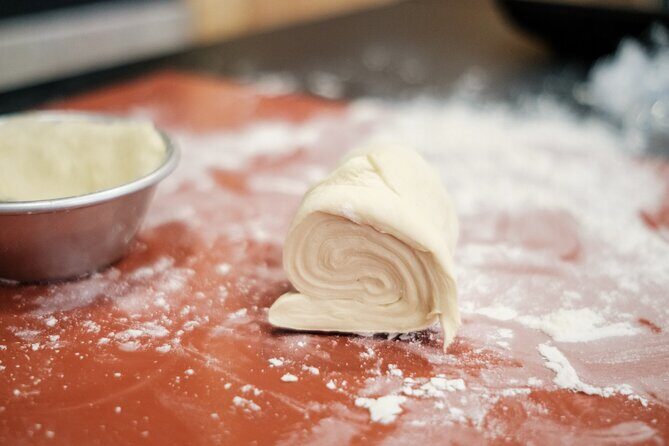
In Lisbon, you can buy pastel de nata almost anywhere. But a class changes the game. You’re not just eating a sweet tart—you’re learning how the dough and custard work together, and how to recreate that signature texture once you’re back home.
What makes this experience stand out is how practical it is. The format is short (about 2 hours) and built around doing the work: you handle the dough, learn how to cook the custard cream, and then taste what you made. Several people also appreciated that the instructor brings history and context into the lesson, so it’s not all technique talk. You get the story, then you get your hands busy.
What You’ll Make: Dough, Custard Cream, and the Real Point of the Name
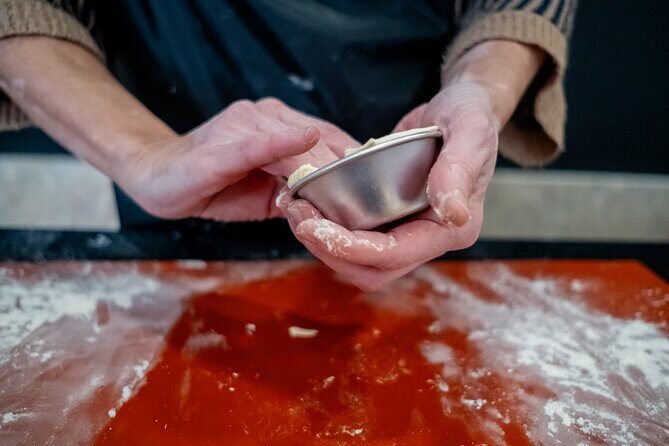
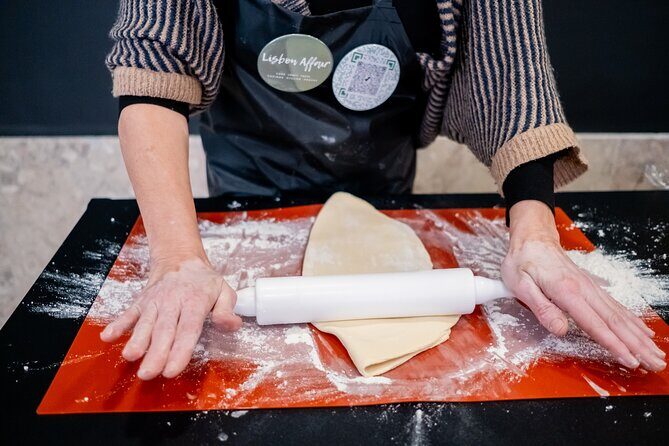
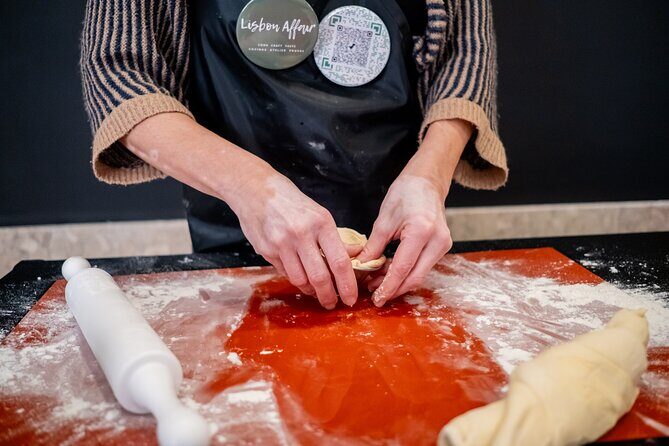
The core of the workshop is straightforward: you’ll learn the process for making authentic pastel de nata, including the parts that usually stay hidden when you just buy them. Expect to spend real time working with the dough, then moving into the custard cream stage—because that custard is where the magic happens.
One interesting detail you should know going in: the workshop explains the confusion around the word nata (so it’s not just a name you repeat). That explanation matters because pastel de nata is one of those foods where people assume ingredients or origins without context. Getting that cleared up helps you understand what you’re actually cooking, not just copying a look.
You’ll also get a tasting as part of the class. That’s more valuable than it sounds. A small tasting lets you connect technique to outcome while the experience is still fresh in your mind.
You can also read our reviews of more tours and experiences in Lisbon



The Hands-On Lesson Style: Learn by Doing, Not Watching
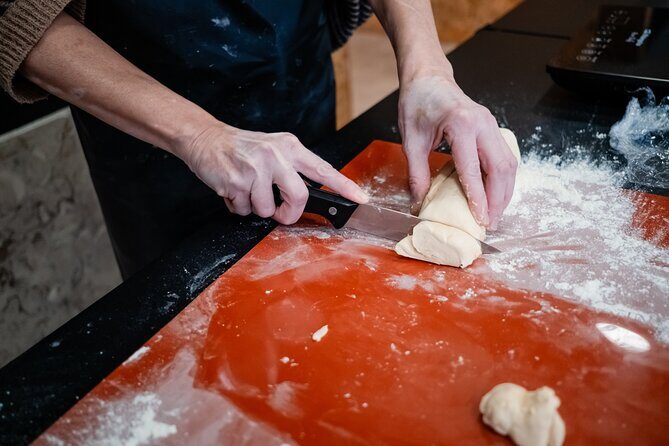
Past participants consistently praised the teaching approach: calm, patient instruction with plenty of guidance through each step. This matters because pastry can be fussy, and pastel de nata is not a throw-together dessert. If you’ve never worked with dough before, the class format still works because you’re taught what to do and how to judge what’s happening.
Group size helps here. The tour lists a maximum of 15 travelers, and that’s a sweet spot: large enough that the vibe feels social, small enough that you can ask questions. One review even described a day with a tiny group, which made the attention feel more personal. Another noted a mixed group that included kids, with instructors staying fun and engaging while still teaching clearly.
Small-Group Size Up to 15: Why It’s the Right Size for Technique
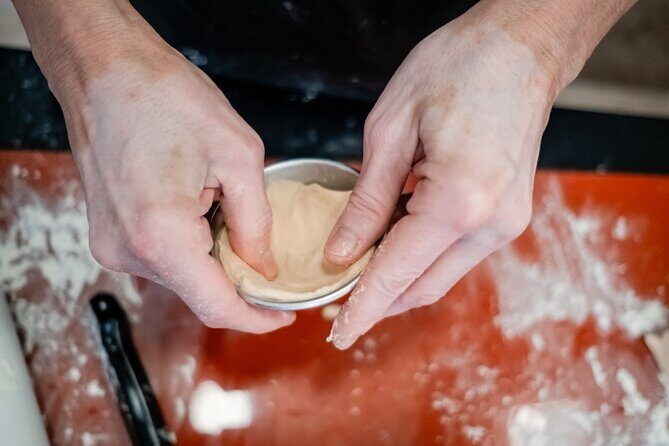
This is one of those experiences where bigger can actually mean worse. When classes get too large, you end up waiting your turn, and you miss the timing cues. Here, the class is capped at 15, and the reviews suggest the experience benefits from that—people felt more supported and didn’t feel like they were on the sidelines.
Still, consider this: one review said the class felt like it had too many people for a hands-on experience and even suggested 10 as a better maximum. That’s useful to keep in mind. If you’re very hands-on and want maximum time at your station, you might prefer booking when the schedule is likely to be smaller. If you’re flexible and just want a solid guided outcome, 15 should still work well.
Refreshments and Tasting: Fueling the Work Without Turning It Into a Party
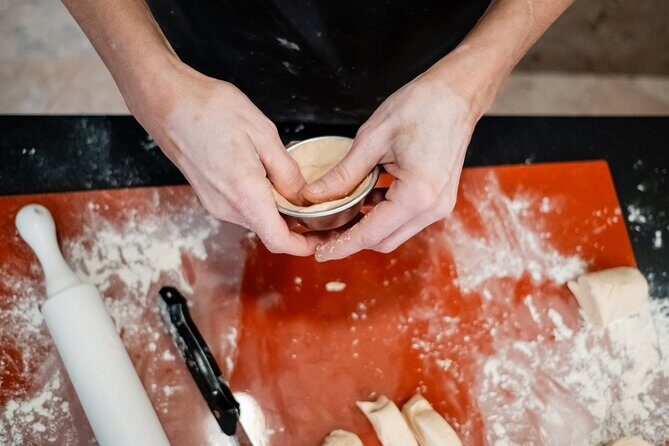
You won’t just show up and start baking on an empty stomach. The class includes refreshments: orange juice and water, plus coffee or tea. That’s a practical inclusion because pastry work takes attention. A drink break helps you reset without disrupting the flow.
Then comes the tasting. For me, tastings are where you learn fastest. You can spot the difference between what you expected the custard to feel like and what it actually becomes after cooking. You also get a chance to enjoy the end result immediately, which makes it easier to remember what you did right.
Digital Recipes in English: Your Real Souvenir
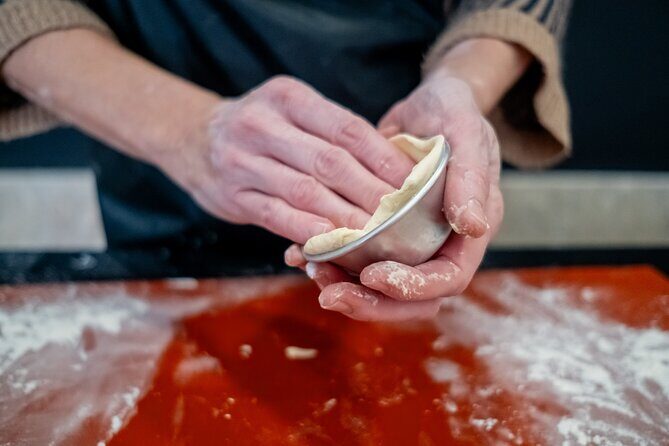
The most useful “souvenir” here isn’t the pastry—it’s the digital recipes in English. These are the instructions you can refer to later when your kitchen reality doesn’t match a classroom.
If you’ve ever tried to recreate a recipe from memory, you know the problem: your brain remembers taste, not technique. A digital recipe helps you reconnect steps and timing. It also means you can bake again even if you had a few moments where you were focused on learning instead of taking notes.
Plus, you’re using the same reference after you’re done, not just during the lesson.






Meeting at Lisbon Affair on Av. de Roma: Practical and Transit-Friendly
The class starts at Lisbon Affair – Cooking Classes Lisbon, Av. de Roma 87B, 1700-344 Lisboa. The activity ends back at the meeting point, so you’re not dealing with a confusing end location or cross-city transfers.
It’s also listed as near public transportation, and you’ll use a mobile ticket, which is convenient if you don’t want paper. That combination makes the logistics part painless—especially in Lisbon, where you’ll often walk more than you expect.
Price and Value: Paying for Method (Not Just a Pastry)
At $64.81 per person for about 2 hours, this isn’t a bargain dessert. But it also isn’t overpriced if you think about what you’re buying: technique, guided practice, a tasting, and take-home recipes.
Here’s where value shows up:
- Hands-on instruction in a short time window. You’re not just listening.
- Digital recipes in English, which can turn one class into multiple home bakes.
- Inclusion of refreshments (coffee/tea and orange juice) and tasting, so you’re not paying extra for the “break” part.
- A small group cap, so you’re more likely to get direct help when something feels off.
One review specifically said the pastel de nata they made tasted better than what they could buy at Lisbon bakeries. Even if you don’t hit that exact result, the underlying idea is the same: you’ll likely end up with a better understanding of what “good” feels like—so your at-home versions improve.
What to Expect From the Instructors (Beatriz, Bernardo, Carla)
Multiple past students named instructors by name, which is a good sign for consistency. People praised Beatriz for being informative and fun, including sharing history along with the baking steps. Others highlighted Bernardo as calm and patient, with answers for questions at every stage. Carla also earned compliments for teaching, even with less experienced cooks in the room.
What this tells you as a potential booking is simple: you’re not signing up for a lecture. You’re signing up for instruction that balances technique with personality, which helps when you’re learning something new.
Timing and the Pace: A Short Class That Still Covers the Key Parts
This is an approximately 2-hour class. That length is important. It’s long enough to actually make something and taste it, but short enough that you won’t feel trapped in an all-day food tour schedule.
The likely flow (based on what’s included and what the class focuses on) is:
- You meet at Lisbon Affair and get set up.
- You work with the dough and move through the custard cream process.
- You learn enough to understand what you’re doing—not just copy steps.
- You taste your results and leave with recipes to keep going at home.
Because it’s compact, try to arrive a bit early so you can settle in without stress. Short classes punish delays.
Comfort Considerations: Heat and Group Size
Two practical points to consider before you book:
- Warm room risk: one review mentioned the location can feel warm. If you’re heat-sensitive, plan accordingly (light layers, water bottle outside the class if needed).
- Hands-on vs. headcount: while the cap is 15, one review felt the class size might be too big for maximum hands-on time and suggested 10. That doesn’t mean you’ll have that problem every day—just that your personal preference matters.
If you’re happy to learn and still have a good result, this class fits well. If you want the closest possible ratio of instructor attention to your station, you may want to choose a time when fewer people book.
Who This Pastel de Nata Class Is Best For
This class is a strong fit if:
- You want an authentic Portuguese pastry experience without spending a full day.
- You care about learning the method, not only tasting the finished tart.
- You’re cooking at home and want English digital recipes to practice.
It’s also great for couples and small groups. Reviews mention both couple formats and family-style participation with kids (including a parent and an 11-year-old). If you’re traveling with someone who enjoys hands-on activities, this is a good shared memory.
If you’re the type who hates kitchens, you might find pastry classes stressful. But if you can handle a short, structured baking session, you’ll probably enjoy the focused fun.
Should You Book This Pastel de Nata Class in Lisbon?
Yes—if your goal is to bring Lisbon dessert skills back to your own kitchen. The combination of hands-on learning, tasting, refreshments, and English digital recipes makes it feel like you’re paying for an experience you can repeat, not a one-time sugar hit.
I’d book it especially if:
- You like small-group classes where you can ask questions.
- You want to understand the custard cream and what makes pastel de nata different.
- You’d rather learn once from a teacher than guess at home.
I’d think twice if:
- You’re extremely sensitive to warmth in indoor spaces.
- You need a very tight hands-on setup and worry about headcount (since some people prefer smaller than 15).
FAQ
How long is the Pastel de Nata pastry class?
It’s listed at about 2 hours.
Is the class taught in English?
Yes. The class is offered in English.
What’s the group size limit?
The class has a maximum of 15 travelers.
What’s included in the price?
The class includes pastry class time, tasting, orange juice and water, coffee or tea, digital recipes in English, and the use of an apron plus cleaning/washing up.
Do I get digital recipes?
Yes. You’ll receive digital recipes in English.
Where do I meet for the class?
You start at Lisbon Affair – Cooking Classes Lisbon, Av. de Roma 87B, 1700-344 Lisboa, Portugal.
Does it end at the same place?
Yes. It ends back at the meeting point.
Are service animals allowed?
Yes, service animals are allowed.
How soon will I get confirmation after booking?
Confirmation is received at the time of booking.
Can I get a full refund if I cancel?
Yes. Free cancellation is available if you cancel up to 24 hours in advance for a full refund.