
REVIEW · LISBON
Lisbon Self-Drive Sightseeing Tour in an Electric Car
Book on Viator →Operated by Boost Portugal · Bookable on Viator
Lisbon is easier with a steering wheel. This private self-drive electric car tour lets you roll through major neighborhoods at your own pace, with an audio guide that keeps the story moving. You start near the Praça do Comércio area and choose a route that threads together classics like Alfama, Chiado, Belém, and Bairro Alto, plus big-ticket landmarks like Jerónimos and the Tower of Belém.
What I like most is the Bluetooth-style audio narration and app/voice guidance. You’re not just sightseeing—you’re getting context as you cruise, then you can pause as long as you want before moving on again. I also love the setup support and the practical touches: lockable trunk space and staff help if something goes sideways (and it can, in any city with tight streets).
One thing to consider: the cars are small and Lisbon’s streets are bumpy. If you’re sensitive to cramped seating, cobblestones, and slow maneuvering, this may feel like a workout rather than a relaxed drive.
In This Review
- Key things to know before you go
- Electric Lisbon, at your own pace
- From Praça do Comércio to major neighborhoods: how the colored routes work
- The Spinach setup: learning the car without losing your day
- Alfama, Baixa, Chiado, Bairro Alto, Graça: what these areas feel like from the driver’s seat
- Belém highlights: Jerónimos, Tower of Belém, and the Discoveries route vibe
- Park of Nations, São Luís Theater, and the Botanic Garden loop
- Cobblestones, hills, and photos: how to avoid the stressful moments
- Customer service in real time: what support looks like when things go wrong
- Price and value: what $36.20 per person really buys you
- Should you book this electric self-drive in Lisbon?
- FAQ
- How long is the Lisbon self-drive electric car tour?
- Is the price per person or per car?
- Do I need a hotel pickup?
- How many people can fit in one electric car?
- Do I need to be able to drive?
- How much distance does the car battery support?
- What happens if the car runs out of battery?
- What’s included at the end of the experience?
- Is the collision damage waiver included?
Key things to know before you go

- Private and up to 2 people per electric car, so you can move as a group
- Four route choices with color-coded loops (Blue, Red, Green) and lots of major sights
- Audio narration on the go, so you’re not fumbling for history while driving
- Small-car reality: cobblestones mean you go slow and expect rattle
- End-of-tour spinach shot and gift, which is a fun, very Lisbon kind of send-off
Electric Lisbon, at your own pace
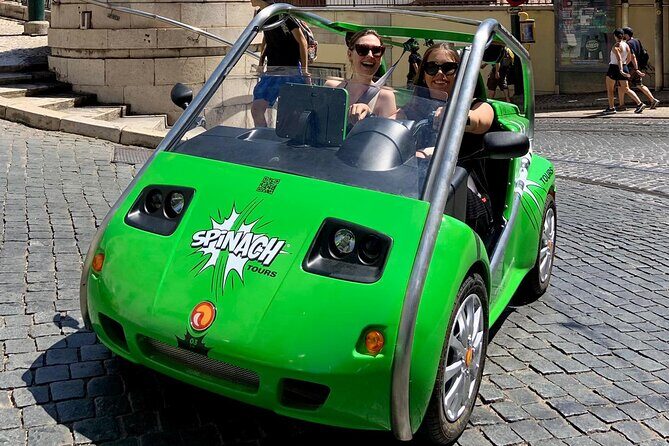
The best part of this tour is simple: you choose the timing. Lisbon can be a maze—one-ways, steep hills, and narrow lanes—so having your own wheels helps you hit more sights without the stress of constant transfers. The electric car also changes the vibe. You can hear the town, and the driving feels calmer than noisier options.
You’ll start with a safety briefing and a quick run-through on how to operate the vehicle. Then you pick a route and roll out with audio guidance. The tour is built around flexible stopping, which is the real freedom here. If you want five minutes to look up at a viewpoint, you can do that. If you want longer in a neighborhood, you can.
The “private” part matters, too. With only your group in the car, you’re not waiting for strangers or negotiating where to go next. That’s especially valuable in Lisbon, where crowds can make every stop feel like a timed challenge.
You can also read our reviews of more tours and experiences in Lisbon.



From Praça do Comércio to major neighborhoods: how the colored routes work

You’ll be using one of several color-coded route options (Blue, Red, Green). I like how the routes are designed to pass by multiple high-demand areas instead of forcing you into just one zone. That means you’re more likely to see a mix of Lisbon styles in a single session: tiled streets in older quarters, classic waterfront/monument stops, and modern city landmarks.
Across the available route ideas, you’re aimed at neighborhoods and landmarks like:
- Alfama, Baixa, Chiado, Bairro Alto, and Graça
- Belém
- Amália Rodrigues Museum
- Jerónimos Monastery
- Tower of Belém
- Monument to the Discoveries
- Park of Nations
- São Luís Theater
- Botanic Garden
Because the stops are flexible, I recommend building your plan around your pace. If you’re more into architecture and viewpoints, spend extra time in the hills. If you want monuments and photos, lean into Belém-style stops where major landmarks gather.
The Spinach setup: learning the car without losing your day
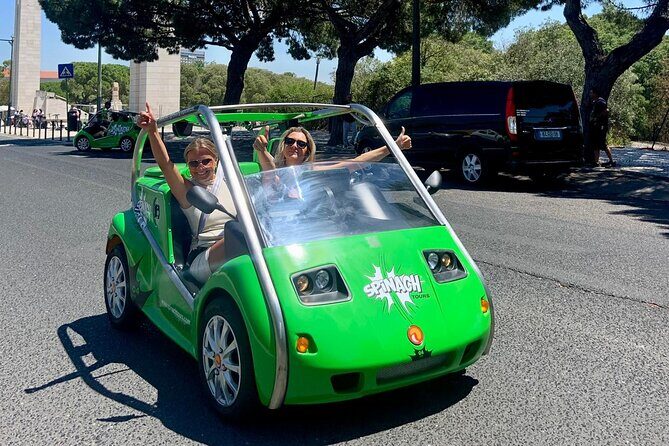
Before you go far, you’ll get instructions plus an explanation of the navigation system and safety basics. This matters because Lisbon driving is less about speed and more about positioning. Even with guidance, you want to be confident with maneuvering—especially in tight streets where turning space can be limited.
The vehicle supports a lockable trunk, which is a practical upgrade for a self-drive. Lisbon days involve bags, water, and snack runs, and you don’t want to be hauling everything in your lap.
One common theme to plan for: the cars are small and bouncy on cobblestones. If you want smoother comfort, bring a small cushion if you’re able, and take hills slowly. Your goal is to enjoy the ride, not treat the streets like a driving course.
Also note the navigation display can be harder to read in strong sun. If the screen glare makes it tough, slow down and only check directions when it’s safe. You want your attention on the road first, always.
Alfama, Baixa, Chiado, Bairro Alto, Graça: what these areas feel like from the driver’s seat
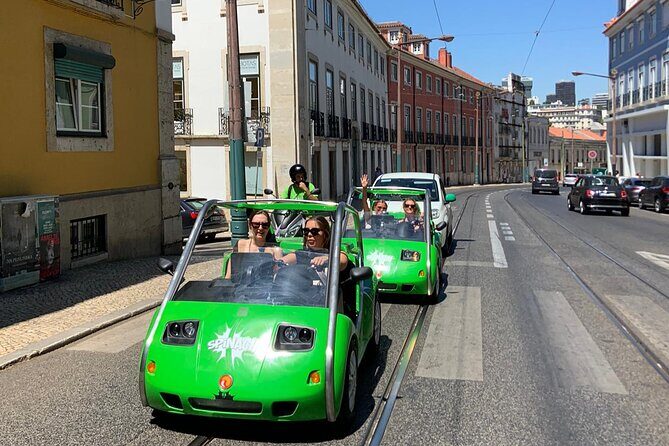
This is where Lisbon surprises people. Walking Alfama and nearby hills is one thing; driving through them is another. You get a rolling, front-row view of the city’s layers: older lanes, sudden open squares, and views that appear right when you think the street can’t widen.
Alfama is a good example. It’s compact and winding, so self-drive here works best if you treat it like a “slow crawl.” You’ll want brief stops for photos and for people-watching, but you don’t need to overstay in every lane. Let the car help you position, then park for short visits.
Baixa, Chiado, and Bairro Alto feel more connected, with bigger streets mixed into the older fabric. This makes them easier to explore with your own vehicle because you’re not constantly fighting super-narrow turns. Graça adds a viewpoint vibe that’s often worth your time—when you’re already near the hills, you might as well use it.
If you’re the type who gets bored by “check the box” sightseeing, this part is ideal. You can pause when something catches your eye: a church facade, a mural, a street scene, or a sudden overlook.
Belém highlights: Jerónimos, Tower of Belém, and the Discoveries route vibe
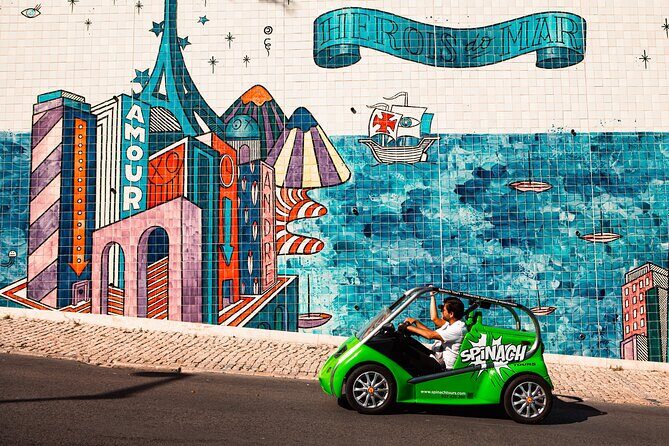
Belém is Lisbon’s postcard folder. The goal here is to connect the big sights in a way that feels logical instead of rushed.
You’re set up to pass and stop at landmarks such as:
- Jerónimos Monastery
- Tower of Belém
- Monument to the Discoveries
- The Amália Rodrigues Museum area
Here’s the key value of the self-drive format: you can time these stops to your energy. If the monastery area feels best early, do it earlier. If you want late-afternoon light for photos, save it for later.
Drawback to accept: Belém and waterfront access can mean heavier traffic around key times. So while the route is designed for sightseeing, you’ll still benefit from driving defensively and expecting other road users to be in a hurry.
The Monument to the Discoveries area is also a place where a longer stop pays off. It’s not just about a photo; it’s about reading the whole setting—the scale and the story around it. With flexible stopping, you can actually do that without worrying about a hard tour-group schedule.


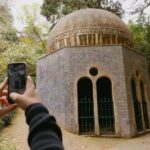
Park of Nations, São Luís Theater, and the Botanic Garden loop

Not every part of Lisbon is medieval lanes and river monuments. Some routes include the newer, calmer-feeling stretch around Park of Nations, plus cultural stops like São Luís Theater and the Botanic Garden.
Why this matters: it balances your day. After spending time in older neighborhoods, a modern zone feels like a breather. You can also use it as a reset point—grab water, step out, and stretch before heading back into tighter streets.
São Luís Theater is one of those stops that adds Lisbon culture beyond museums. Even if you’re not there for a performance, the building and its surroundings give you that city-identity feel—Lisbon as a living place, not only a monument.
The Botanic Garden area is a great choice if you want slower pacing. It’s the kind of place where you can spend your time walking and taking your time, then get back in the car when you’re ready to continue.
Cobblestones, hills, and photos: how to avoid the stressful moments

Let’s talk about the driving reality. Lisbon is famous for steep streets and cobbled surfaces, and a small car turns that into a very real experience. Expect rattling and bumps. Some people describe it as bouncy and even tricky. The honest move is to plan for slow driving and frequent patience.
If you’re trying to take photos, keep expectations realistic. Parking spots can be limited, and there’s not always an easy place to pull over right where your angle is perfect. Instead, use the route’s built-in pacing: drive into position, stop briefly, take a few shots, then move on.
Also, if you’re tall or broad, be prepared for cramped seating. Some drivers found it tight getting in and out. And remember: tight spaces + inexperienced driving moments happen, especially if you’re learning the controls while also navigating one-way roads.
A practical tip: if the navigation tablet or iPad isn’t readable due to sun glare, don’t force it. Slow down, let traffic pass when possible, and focus on safe driving while you reset your direction.
Customer service in real time: what support looks like when things go wrong

The standout pattern in the feedback is support quality. When a wrong turn happens or a device glitches, the staff appears ready to help quickly. That’s crucial on a self-drive tour, because your day can change fast if you lose the route.
Some people credited staff members for setting up the car smoothly—names that show up include Aderito, David, Jenny, Flavia, Mariana, Jeff Tomas, and Bruno. The bigger point isn’t name-dropping. It’s that the team seems to take setup seriously, and when a car or navigation issue happens, they work to fix it rather than shrug.
Still, you should go into this with a calm mindset. If you get disoriented, use your phone maps as a backup if needed, especially when the display is hard to read in bright light. The goal is to keep things safe and avoid stress.
Price and value: what $36.20 per person really buys you
At $36.20, the headline price looks friendly, but here’s the value math that matters: the price is per car, and it’s the same whether you have one or two people in the vehicle. That’s a big deal in Lisbon, where per-person costs add up quickly if you’re splitting between multiple taxis or multiple guided tours.
What’s included is also worth noting:
- Exclusive app and voice narrations
- Curated routes designed to pass major highlights
- Spinach electric vehicle for the duration
- Spinach briefing and support along the way
- A lockable trunk for your belongings
- A spinach shot and gift at the end
What’s not included: hotel pickup/drop-off, and there’s an optional Collision Damage Waiver / insurance line item listed at 15€.
So is it good value? Yes—if you want flexibility, and you’re comfortable driving on bumpy streets. It’s less of a bargain if you want a calm, cushy ride or if you plan to spend most of your time only doing one landmark area. In that case, a traditional walking or guided tour can be easier on your body and attention.
Should you book this electric self-drive in Lisbon?
I’d book it if you want a fun, efficient way to see a lot of Lisbon without being stuck to a group schedule. It’s especially strong for couples or small friends groups who can drive thoughtfully and enjoy stories through audio while you roll between neighborhoods.
Skip it—or at least reconsider—if you hate cramped vehicles, dislike cobblestone bouncing, or know you’ll stress if navigation becomes hard to read in sun. In those cases, the experience can turn from “freedom” into “frustration.”
One last decision helper: if you’re the kind of traveler who likes to stop when something grabs your attention—rather than only ticking off the biggest names—this format fits your style.
FAQ
How long is the Lisbon self-drive electric car tour?
The duration is listed as approximately 1 to 3 hours, depending on the option you choose and how long you spend at stops.
Is the price per person or per car?
The price is per car. It’s the same price whether you have one or two people in the vehicle.
Do I need a hotel pickup?
No. Hotel pickup and drop-off are not included, though pickup details can be offered in some cases as described by the operator.
How many people can fit in one electric car?
Each vehicle takes up to 2 people.
Do I need to be able to drive?
Yes. Drivers must be 18+ and have a valid Driver’s License.
How much distance does the car battery support?
The maximum autonomy is listed as 60 km, which is more than enough for at least a 3-hour drive.
What happens if the car runs out of battery?
If the battery runs out, you call the telephone number written on the car and the company provides support to resolve it as soon as possible.
What’s included at the end of the experience?
You receive a spinach shot and a gift at the end.
Is the collision damage waiver included?
No. Spinach insurance / collision damage waiver is listed as 15€ and is not included.