REVIEW · LISBON
Lisbon: Pasteis de Nata Baking Class
Book on GetYourGuide →Operated by Lisboa Food Studio · Bookable on GetYourGuide
Sweet success starts with dough. This Lisbon class turns Portugal’s most famous custard tart into an actual hands-on skill, right in the quarter associated with the recipe. I love the from-scratch approach (you make the pastry too), and I love the small-group feel that keeps the instruction practical and easy to follow.
One thing to consider: there’s no hotel pickup, so you’ll need to get yourself to the Studio at the green gate in the private yard.
In This Review
- Key highlights to know before you go
- Where Lisbon’s Pastéis de Nata Craft Starts to Make Sense
- Finding the Kitchen Studio at the Green Gate
- A Clear Two-Hour Flow (So You’re Not Waiting Around)
- Hands-on Pastry Making: More Than Just Mixing
- The Custard Step: Getting Creamy, Not Confused
- Chef Miguel and the Small-Group Coaching Style
- Oven Time: Drink Included, Plus the Tart Story
- Tasting What You Made, Then Taking It Away
- Price and Value: Why This One Costs What It Costs
- Who Should Book This Class (and Who Might Skip It)
- Should You Book Lisboa Food Studio’s Pastéis de Nata Class?
- FAQ
- How long is the Pastéis de Nata baking class?
- How big is the group?
- What languages is the instruction offered in?
- Where do we meet?
- Is hotel pickup included?
- What’s included in the price?
- Do you make the pastry from scratch?
- Can I take pastéis home?
- Is the class wheelchair accessible?
- FAQ
- Can I cancel and get a full refund?
- Is there a morning or afternoon option?
Key highlights to know before you go
- Max 8 participants for real coaching, not a quick demo
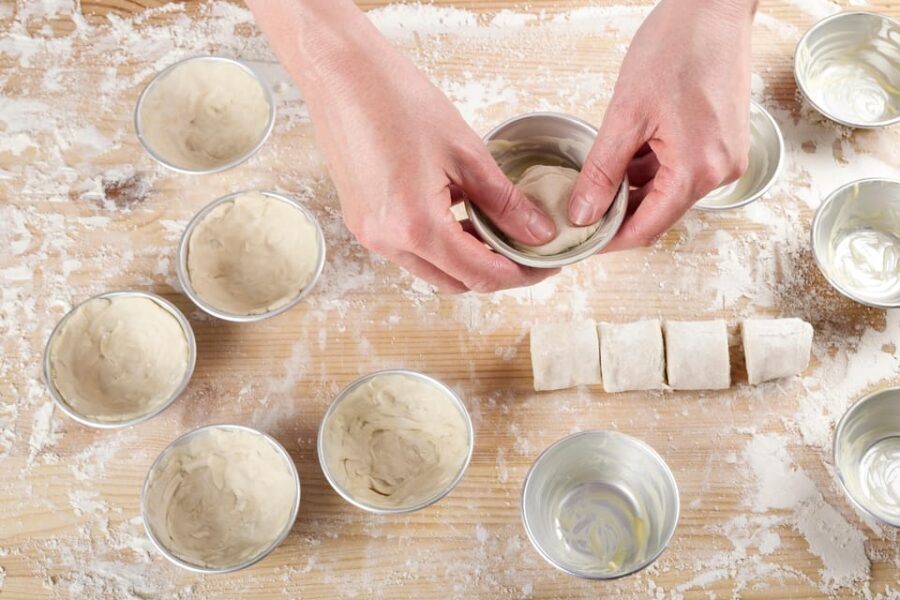
- Make pastry and filling from scratch in one 2-hour session
- Chef Miguel leads the class in English and Portuguese
- Coffee, tea, and 1 alcoholic drink included while tarts bake
- You can take your tarts away, and the tasting is part of the fun
Where Lisbon’s Pastéis de Nata Craft Starts to Make Sense
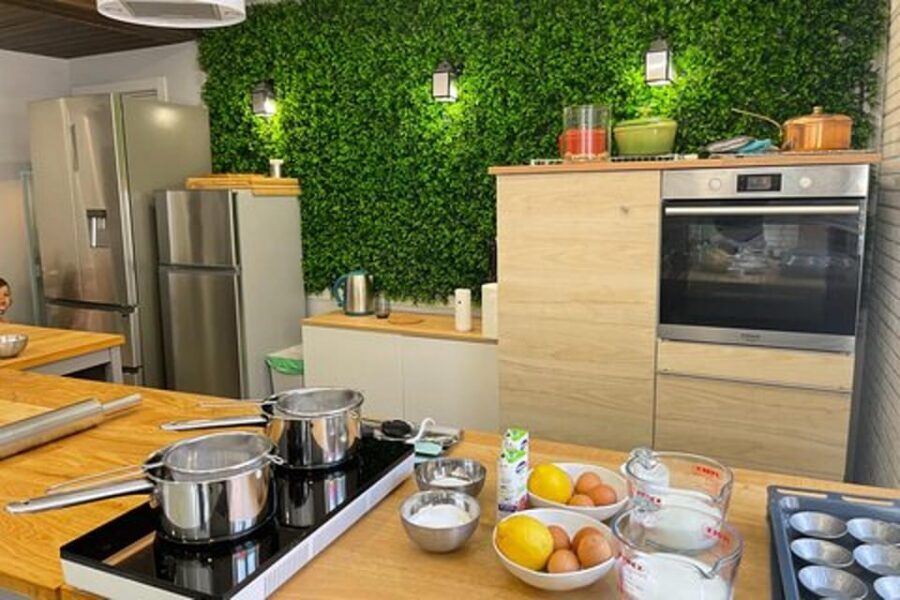
Pastéis de nata sound simple until you watch the dough work and the custard come together. That’s why I like this kind of class in Lisbon: it doesn’t just hand you a sweet. It teaches you the rhythm and the choices that make the final tart taste right.
This experience is built around doing the work yourself. You’ll make everything, including the pastry, with an instructor guiding you step by step. The group stays small, capped at 8, so you’re not standing around while someone else moves fast. The kitchen also gets consistently praised for being clean and well-prepared, which matters because pastry-making is picky. A clean setup means less stress and more focus on technique.
And because it’s timed for 2 hours, it fits neatly into a sightseeing day. You get a cultural food activity without blowing up your whole schedule.
You can also read our reviews of more cooking classes in Lisbon


Finding the Kitchen Studio at the Green Gate
The meeting point is specific, and it’s worth planning for that: the kitchen Studio sits inside a private yard. You meet at the green gate.
If you’re staying in central Lisbon, you can typically reach the area by public transport or ride-hailing. Once you’re close, the details matter more than you might think. Aim to arrive a few minutes early so you can find the yard gate and settle in before the lesson begins.
No hotel pickup is included, so I recommend you treat this like a self-contained activity: build the trip from your hotel to the green gate, then enjoy the full 2-hour experience without worrying about logistics.
A Clear Two-Hour Flow (So You’re Not Waiting Around)

The class has a tight structure. First you get hands-on pastry-making instruction, with enough time to actually practice rather than just watch. The pace is set to keep things moving, but not rushed—people repeatedly mention the relaxed, encouraging vibe and that the steps make sense as you go.
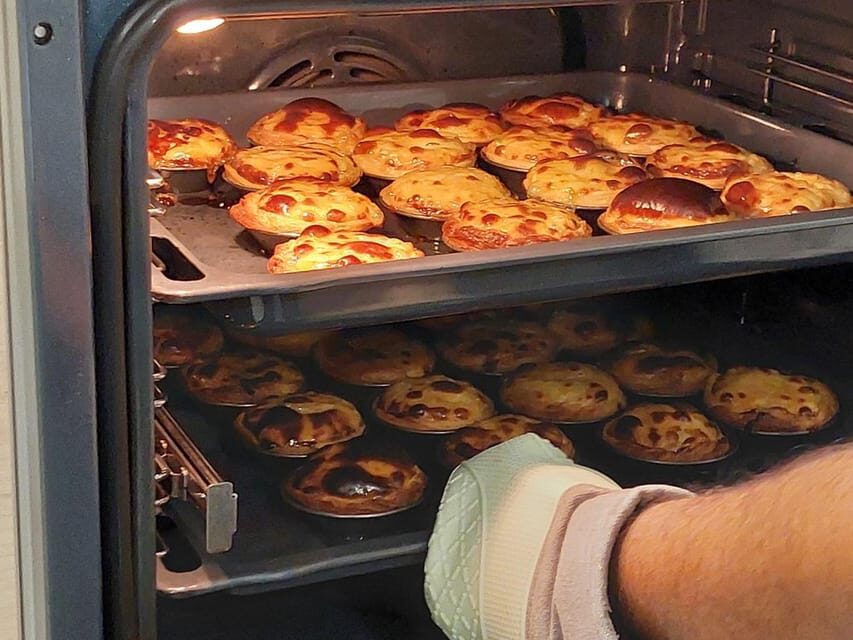
Then your tarts go into the oven. While they bake, you don’t just sit there. You’ll enjoy a drink and learn some history about the delicacy, which turns the wait into part of the experience instead of dead time.
Finally, you taste what you made. That moment is the whole point: you want your work to become something you can compare with the pastéis you’ve been eating around town.
Hands-on Pastry Making: More Than Just Mixing
Here’s the big value: you don’t just assemble a tart. You make the pastry from scratch.
That means you’ll practice the dough process and learn how the pastry behaves as you handle it. Reviews mention getting step-by-step guidance on the process and even the rationale behind the approach—so you can understand what you’re doing, not just copy movements.
I also like that the class is set up for different comfort levels. Several people call out that it works well for both beginner bakers and those who bake at home. Small-group coaching helps here: when something feels confusing, you can ask, and you get a direct answer.
The Custard Step: Getting Creamy, Not Confused
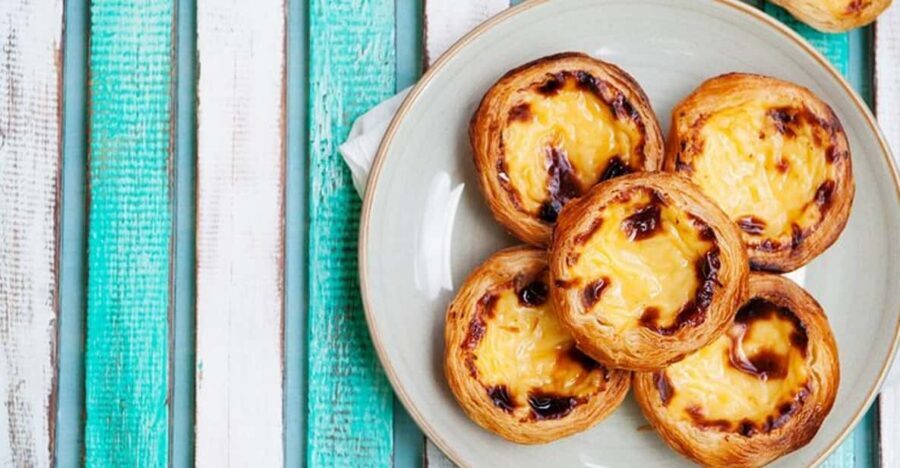
The custard is the star of pastéis de nata, and the class treats it as more than a background detail. You’ll make the tarts yourself, which naturally includes the custard filling work.
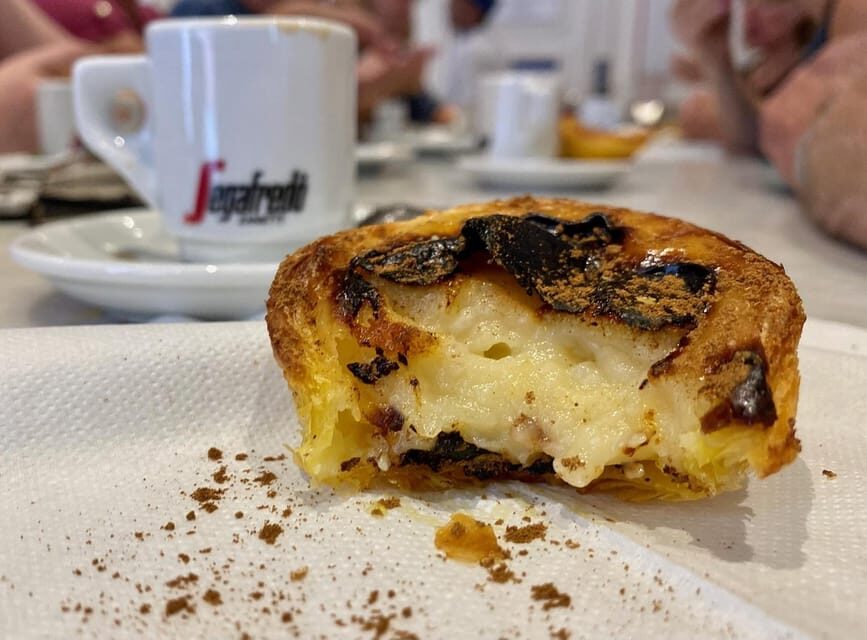
What helps most is instruction that connects technique to outcome. People mention learning how to get the right texture, including the contrast between a flaky crust and a creamy custard. That’s the practical takeaway: you’ll leave with a better sense of how ingredients and handling lead to results.
If you’re the kind of traveler who thinks cooking is either magic or guesswork, this is a nice reality check. You’re not just hoping. You’re practicing.
You can also read our reviews of more tours and experiences in Lisbon

Chef Miguel and the Small-Group Coaching Style
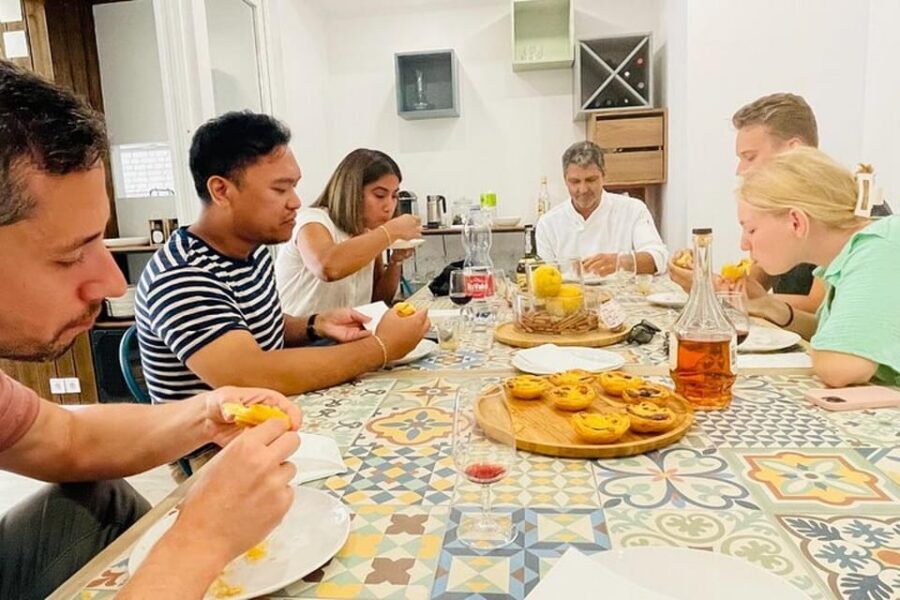
The instructor host is repeatedly named as Miguel, and the praise is very consistent: welcoming, organized, patient, and encouraging. That’s not fluff. In a baking class, your brain goes on overload fast. When the teacher is calm and clear, you stay focused.
Miguel’s teaching style comes through in the details people call out:
- step-by-step walkthroughs that make it easier to follow along
- a relaxed atmosphere where it’s easy to ask questions
- pacing that feels neither too slow nor too fast
- explanations that include the rationale behind the steps
The class also runs in English and Portuguese, so you can choose the language that keeps you comfortable. Even if your Portuguese is limited, the instruction is set up so you’re not left guessing.
And because the group is capped at 8, you get more personal attention than in larger food demos.
Oven Time: Drink Included, Plus the Tart Story
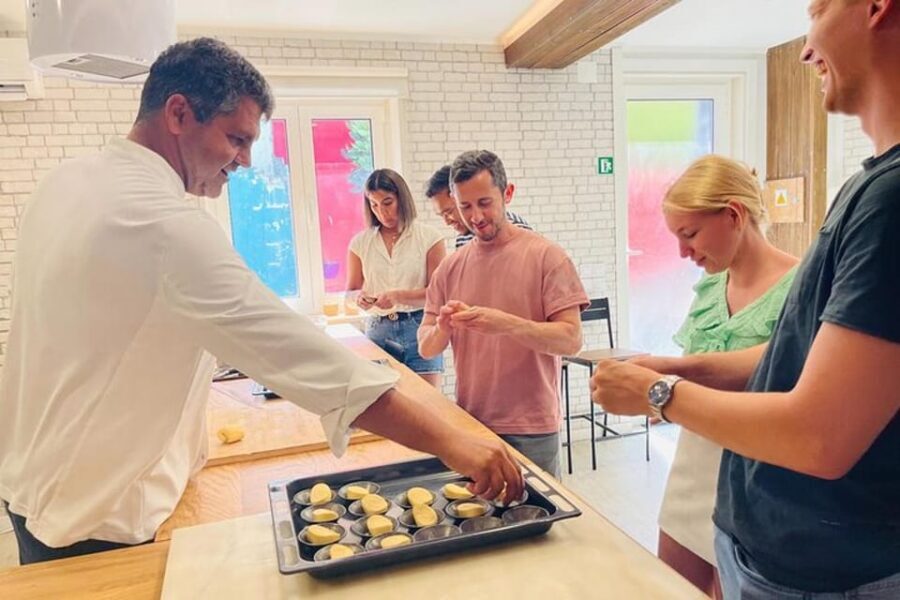
Once your pastéis are baking, the experience shifts into tasting mode.
You get coffee and tea, plus bottled water. And you also get 1 alcoholic beverage included. In the reviews, people mention that this drink often includes port and Portuguese liqueurs. That little pairing makes sense in Lisbon: it turns the waiting time into a mini tasting moment rather than idle time.
You’ll also hear some history about the delicacy while the oven does its job. It’s short and class-friendly, not a lecture marathon. The goal is to give context for what you’re making and eating, so it lands as culture, not just sugar.
Tasting What You Made, Then Taking It Away
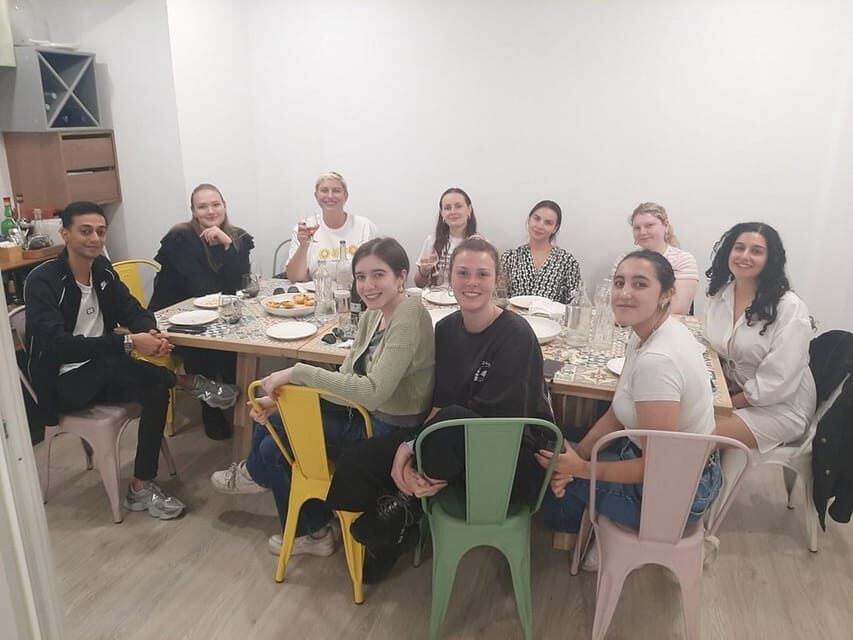
This is a class with payoff. The oven produces your finished pastéis de nata, and then you taste them on-site.
What I like here is that you don’t just eat one tart and move on. People describe enjoying the results of their own work with the included drinks, and they also report taking leftover pastéis away in a box. That’s practical: you get a treat for later, and it also means you don’t have to treat the experience as a one-time sugar hit.
If you’ve been sampling pastéis across Lisbon, this gives you a benchmark. You’ll start noticing differences in texture and how the pastry holds up, because you’ve now handled the process yourself.
Price and Value: Why This One Costs What It Costs
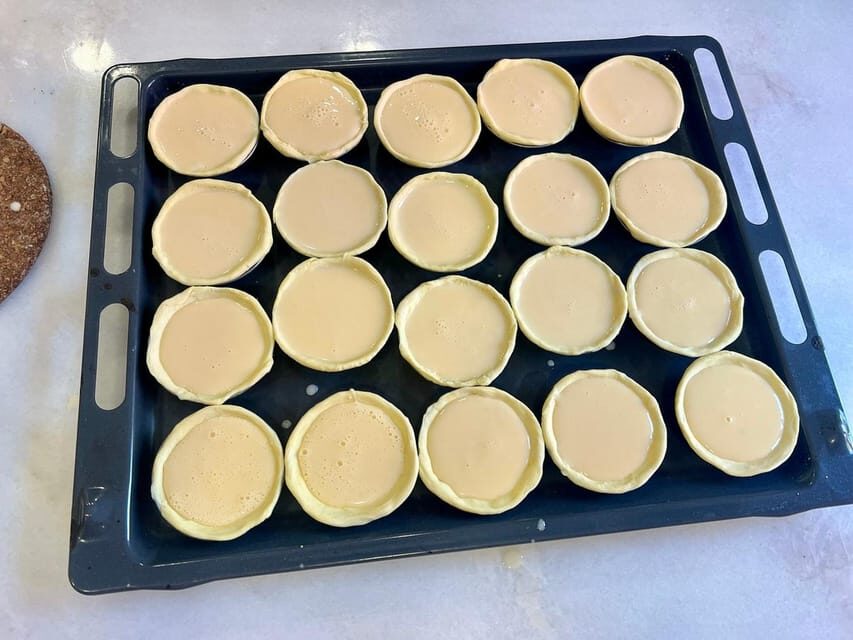
$76 per person for a 2-hour, small-group baking class can sound like a lot—until you break down what’s included and what you actually do.
Here’s what you get in the price:
- a pastry-making lesson (including making the pastry, not just assembling)
- your own pastéis de nata
- coffee and tea
- 1 alcoholic beverage
- bottled water
- an instructor for small-group, hands-on coaching
This isn’t a large-group tasting. You’re actively making the product and getting guidance the whole time. That’s why the small group matters. In larger classes, you can feel like an observer. Here, you’re part of the action.
Also, the time is efficient. Two hours is short enough to fit between sightseeing, but long enough to actually complete the process: pastry work, custard work, baking, then tasting.
If you’re doing Lisbon on a schedule, value often comes down to time + quality of attention. This ticks both boxes.
Who Should Book This Class (and Who Might Skip It)
This class is a strong fit if you:
- want a hands-on food experience in central Lisbon
- like learning techniques, not just eating sweets
- travel as a couple or in a small group and want shared activity time
- are a solo traveler and still want interaction (the class format works well for solo participants too)
It’s also great if you keep comparing pastéis you’ve tried around town and want to understand what’s behind the results.
You might skip it if:
- you’re looking for a long, multi-stop food tour
- you dislike meeting at a set location and handling the short commute yourself (no hotel pickup)
- you’d rather just buy pastries and keep walking
Should You Book Lisboa Food Studio’s Pastéis de Nata Class?
I’d book it if you want a real Lisbon food memory you can repeat at home, not just another photo with a pastry.
The strongest reasons to choose this one are consistent: small group size, hands-on work making the pastry from scratch, and the calm, encouraging coaching from Miguel. Add in coffee, tea, a drink while the tarts bake, and the ability to take more pastéis away, and you end up with a balanced experience: skill, taste, and an easy schedule fit.
The main decision point is simple. If you can make it to the green gate meeting point on your own, you’ll get a lot out of these two hours.
FAQ
How long is the Pastéis de Nata baking class?
The class lasts 2 hours.
How big is the group?
It’s a small group limited to a maximum of 8 participants.
What languages is the instruction offered in?
The instructor speaks English and Portuguese.
Where do we meet?
You meet at the green gate. The kitchen Studio is inside a private yard.
Is hotel pickup included?
No, hotel pickup and drop-off are not included.
What’s included in the price?
Pastry-making lesson, your own pastéis de nata, instructor, coffee and tea, 1 alcoholic beverage, and bottled water.
Do you make the pastry from scratch?
Yes. You make everything, including the pastry, from scratch.
Can I take pastéis home?
You’ll have your own pastéis de nata, and leftovers are often taken away in addition to what you taste during the class.
Is the class wheelchair accessible?
Yes, it is wheelchair accessible.
FAQ
Can I cancel and get a full refund?
Yes. You can cancel up to 24 hours in advance for a full refund.
Is there a morning or afternoon option?
Yes. You can choose between a morning or afternoon start time.