REVIEW · LISBON
Lisboa Story Centre: 1-Day Admission Ticket
Book on GetYourGuide →Operated by Distributor: GetYourGuide Tours & Tickets GmbH · Bookable on GetYourGuide
Lisbon tells its story indoors. Lisboa Story Centre turns the city’s history into a guided, hands-on experience inside Terreiro do Paço.
I especially like how the exhibits are set up in chronological order, so you’re not just wandering—you’re building a timeline of Lisbon as you go. I also like the included audio guide, which lets you move at your pace while a recorded storyteller keeps you oriented in multiple languages.
One thing to consider: this is very much a history-focused circuit, and some indoor areas are not ideal in warm weather since there’s no mention of air conditioning.
In This Review
- Key highlights worth knowing
- Terreiro do Paço and the East Wing setting
- Your 60-minute timeline tour: how it flows
- Ground-floor stop 1: earliest Lisbon foundations
- Ground-floor stop 2: the New World through Lisbon’s eyes
- Ground-floor stop 3: All Saints’ Day, 1755—history with real weight
- Ground-floor stop 4: the Marquis of Pombal and reconstruction
- Ground-floor stop 5: Lisbon’s long arc to the present
- First floor: the virtual scale model of Lisbon
- Temporary exhibition: extra context on the main themes
- Audio guide: the secret sauce for a smooth visit
- Timing, pacing, and what to do with your day ticket
- Who Lisboa Story Centre is best for
- Price and value: what you’re really paying for
- Practical drawbacks to plan around
- Should you book Lisboa Story Centre?
- FAQ
- How long is the Lisboa Story Centre visit?
- What’s included with admission?
- Where is the meeting point?
- What languages are available for the audio guide?
- What are the opening hours and last entrance?
- Is Lisboa Story Centre wheelchair accessible?
- How many exhibition areas are there?
Key highlights worth knowing
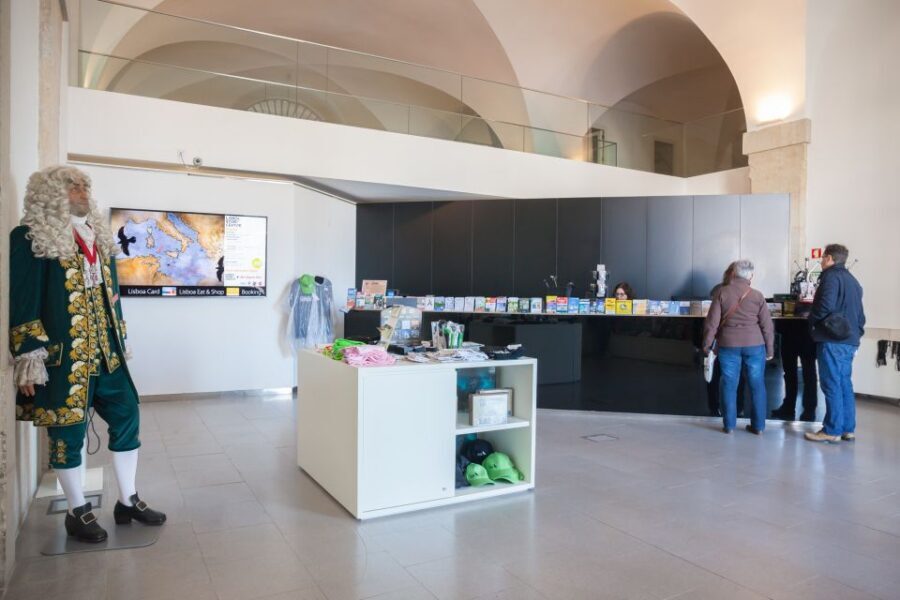
- 60-minute journey across time and space in about 2,200 square meters of exhibition space
- Chronological storyline across 5 main ground-floor exhibition areas
- Audio guide in many languages, with adult and child Portuguese versions
- Big set-piece moments like the 1755 earthquake scenes and New World trade displays
- First-floor virtual city model to connect past architecture to modern Lisbon
Terreiro do Paço and the East Wing setting
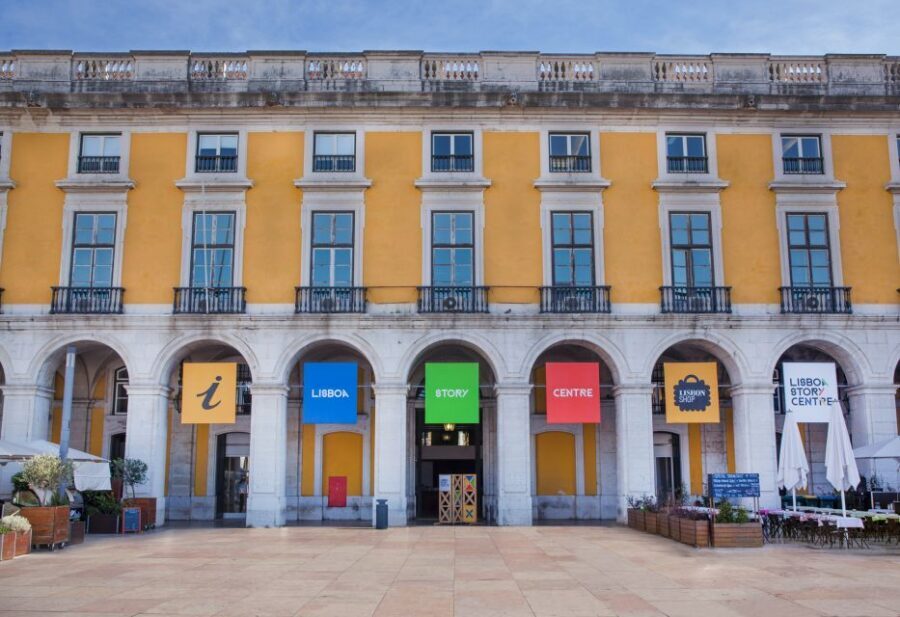
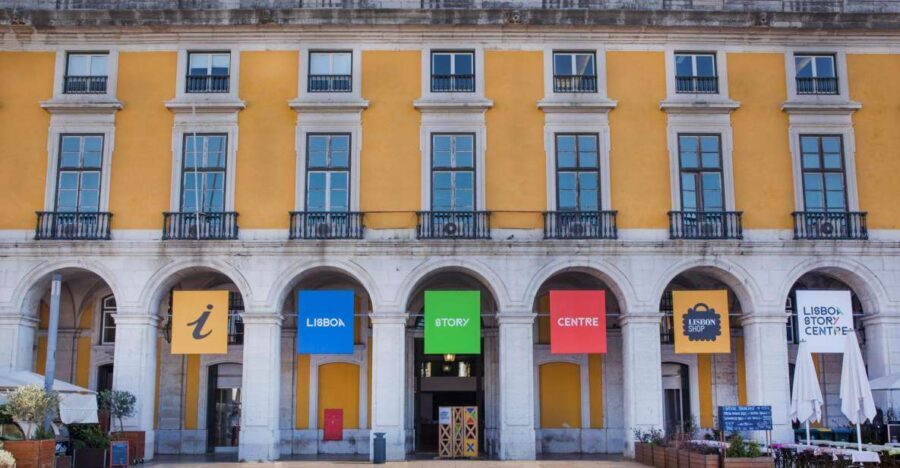
To get the most out of Lisboa Story Centre, start with the location itself. You’re in the Terreiro do Paço area (meeting point: 78-81 1100-148 Lisboa), and the centre sits in the East Wing of the newly renovated complex. That matters because it keeps the experience anchored in the real city, not some theme-world far from Lisbon.
The centre is built for “walk-in, press play, learn as you go” travel. With a day ticket, you have hours to enter (open daily 10:00–19:00, last entrance 18:00), but the core guided journey is about 60 minutes. In practice, that means you can arrive, get oriented, and then settle into the exhibition circuit without feeling rushed.
And yes, you’ll appreciate the setup if you hate lines. A skip-the-ticket-line feature is included, which is helpful here because Terreiro do Paço is a busy zone.
You can also read our reviews of more tours and experiences in Lisbon



Your 60-minute timeline tour: how it flows
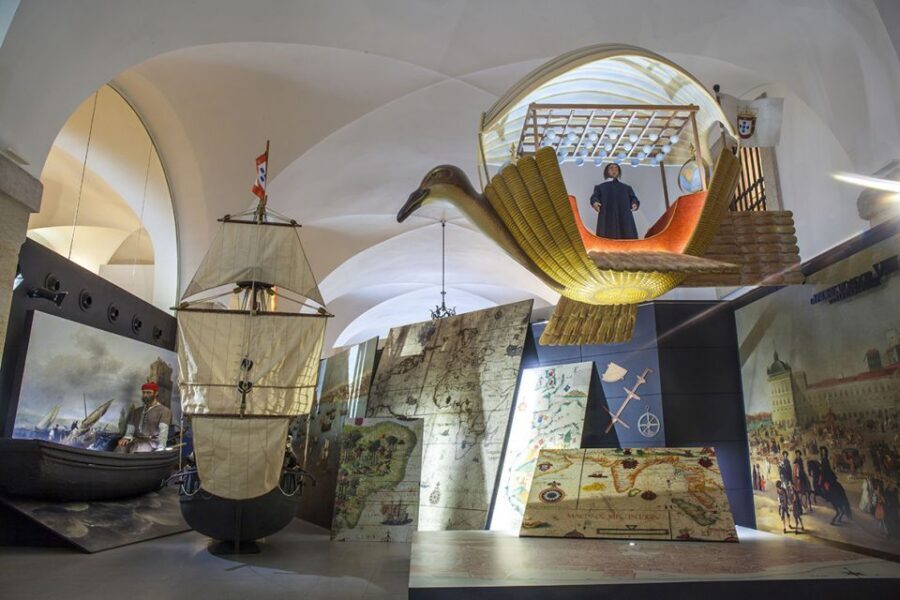
The centre is designed as an interactive visitor attraction made up of 6 public areas, with state-of-the-art technology and a mixture of elaborate sets plus multimedia and sensory experiences. The goal is simple: you get a tour that feels like a dramatic story, but still organized like a timeline.
Here’s the big structure:
- Ground floor: 5 main exhibition areas in chronological order, each built around a historical episode
- First floor: 1 more area with a virtual scale model of Lisbon, plus a temporary exhibition space tied to the centre’s themes
You’ll follow a recorded multilingual storyteller. That’s a practical detail: you don’t need to hunt for staff or keep reading plaques word-by-word. It’s also easier to switch languages if your group includes different preferences.
Also plan your expectations around the “journey” format. You’re not walking through static museum rooms the whole time. You’re moving through staged scenes that are meant to help you feel the events—then understand them.
Ground-floor stop 1: earliest Lisbon foundations
The ground floor is arranged so the story starts far back and moves forward, period by period. You’ll get guided narration as you step into each exhibition area, and the format is built to keep things clear even when the history gets complex.
What I like about this first stage is the pacing. It sets you up with context so later scenes—especially the big 18th-century and 1755 moments—make more sense. If you’ve ever felt overwhelmed by Lisbon’s layers, this chronological approach is a relief. You’re not asked to memorize dates. You’re coached into understanding cause-and-effect over time.
If you’re the type who likes to connect history to place, you’ll also start noticing how architecture, trade routes, and power shifts show up again and again.
Ground-floor stop 2: the New World through Lisbon’s eyes
One of the standout areas is designed like a 16th-century warehouse atmosphere. You’re not just looking at objects; the scene is staged to explain Lisbon’s role in global trade.
A key feature here is the display of products from the New World that arrived via caravela ships. That detail is more than decorative. It’s meant to show Lisbon as a hub—an in-between city linking maritime routes with everyday life and commerce.
Practical tip: slow down in this room. The warehouse setting can make you want to rush to the next scene. But this is the part where you’ll likely start seeing how Lisbon’s wealth, conflicts, and politics are connected to what was coming in from overseas.
Ground-floor stop 3: All Saints’ Day, 1755—history with real weight
Now for the heavy-hitter. You’ll witness the tragic events of All Saints’ Day in 1755 through an immersive-style experience focusing on the Great Earthquake and its consequences.
This part is powerful because it’s not only facts on a wall. It’s staged to communicate scale and shock—exactly what an earthquake does to a city’s rhythm, buildings, and people.
A consideration: if you’re sensitive to intense scenes, this is the moment to take it at your own pace. The centre is designed to be dramatic, and the 1755 section is built to hit that emotional mark.
Still, it’s also one of the most educational stops because it helps you understand why reconstruction mattered—not just as an engineering task, but as a reshaping of Lisbon’s identity.
You can also read our reviews of more tours and experiences in Lisbon





Ground-floor stop 4: the Marquis of Pombal and reconstruction
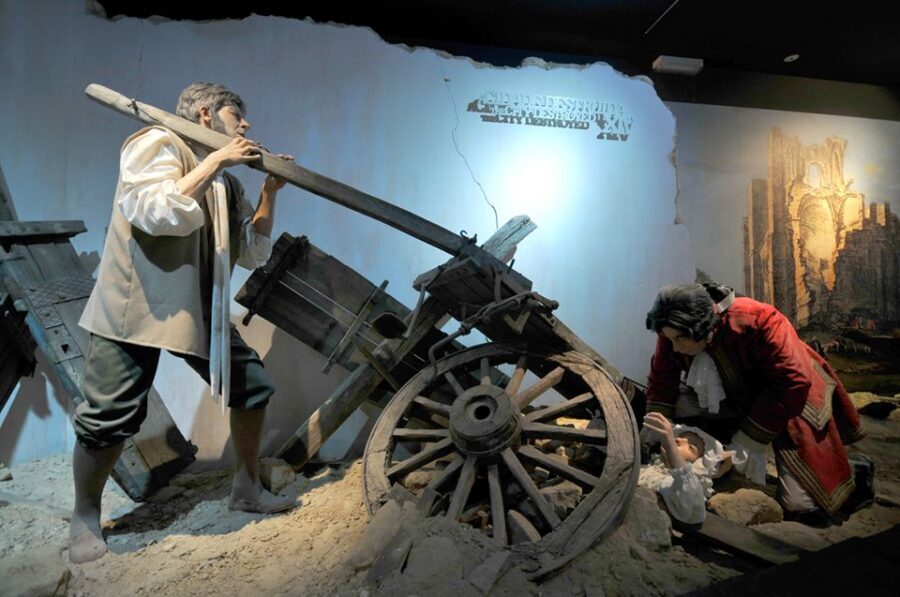
After the earthquake, the storyline shifts into rebuilding. You’ll accompany the Marquis of Pombal as he carries out a far-reaching plan for reconstructing Lisbon.
What I like here is that it turns a disaster into a lesson about decisions. History often gets taught as a list of dates, but reconstruction shows you how leadership, urban planning, and political priorities can change what a city becomes.
If you’re a walker who later likes to spot patterns on Lisbon streets, this is a good stop. It gives you a lens for seeing how Lisbon’s layout and architectural choices didn’t happen by accident.
Ground-floor stop 5: Lisbon’s long arc to the present
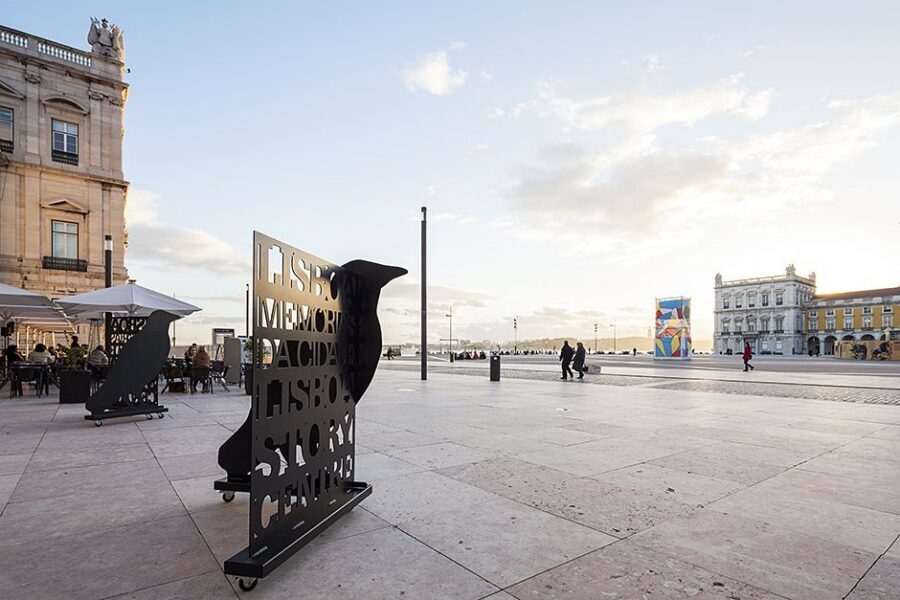
The five main ground-floor exhibition areas aim to cover Lisbon’s entire history—from the earliest civilizations to the present day. That’s a lot to fit into one 60-minute circuit, so the centre keeps each segment focused on key episodes rather than trying to cover every detail.
This is where you should watch your own expectations. If you want a deep, museum-level treatment of every century, a one-day admission plus a guided circuit won’t be that. But if you want a clear narrative path through the big moments, this “long arc” structure is a smart way to get oriented quickly.
One caution based on what people point out: the focus stays heavily on history, so if you’re hoping for a strong breakdown of very recent Lisbon trends and culture, you might find the contemporary angle limited.
First floor: the virtual scale model of Lisbon
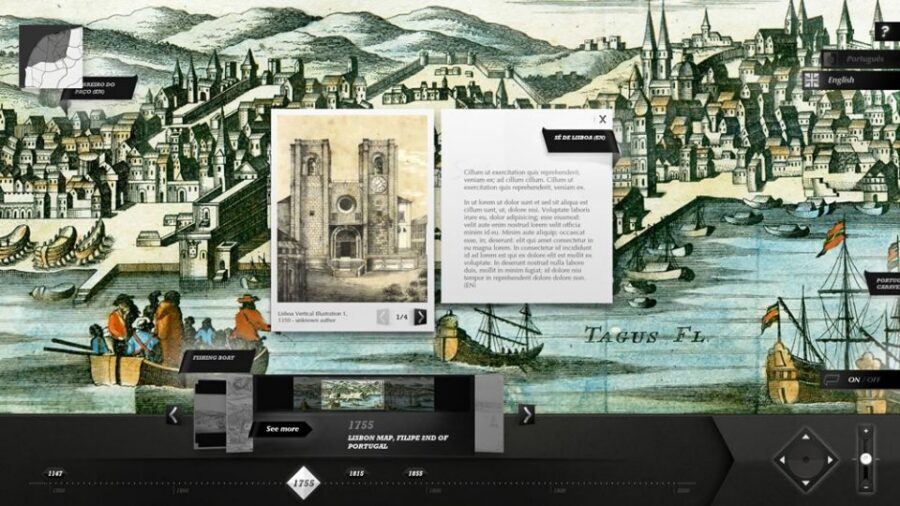
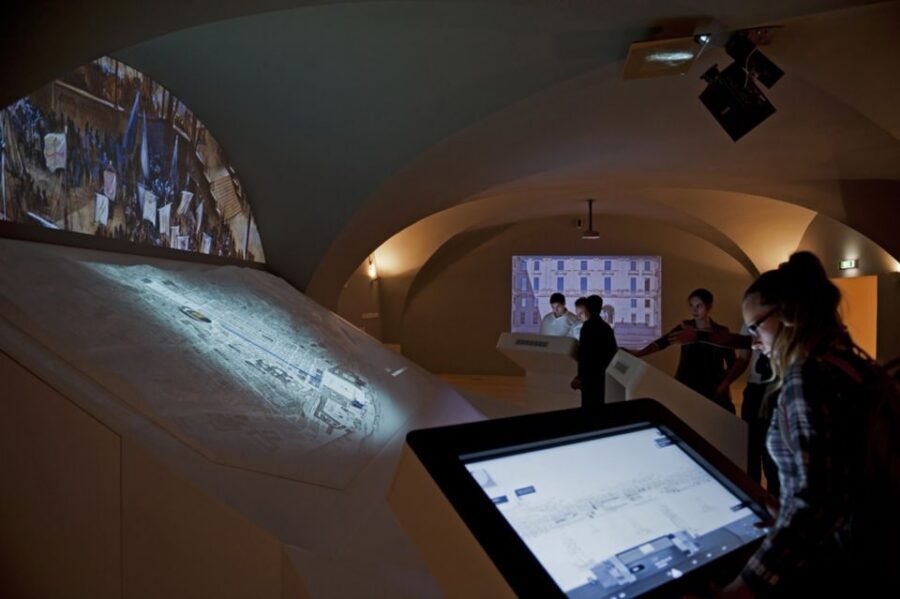
Then you go up to the first floor for the 6th exhibition area, built around a virtual scale model of the capital.
This room is a practical bridge between the past and the city you’ll actually walk outside and around. The model helps you see different types of architecture and understand how Lisbon’s shape comes from different eras.
This is where the centre pays off for casual visitors and repeaters alike. You’ll likely leave with better “mental maps.” Even if you don’t memorize names, you’ll understand what kinds of architecture you’re looking at when you later explore neighborhoods on your own.
If you’re traveling with teens or kids, this part often plays well because it’s interactive and visual. Even adults tend to like it because it turns the “how did it all fit together?” question into something you can literally see.
Temporary exhibition: extra context on the main themes
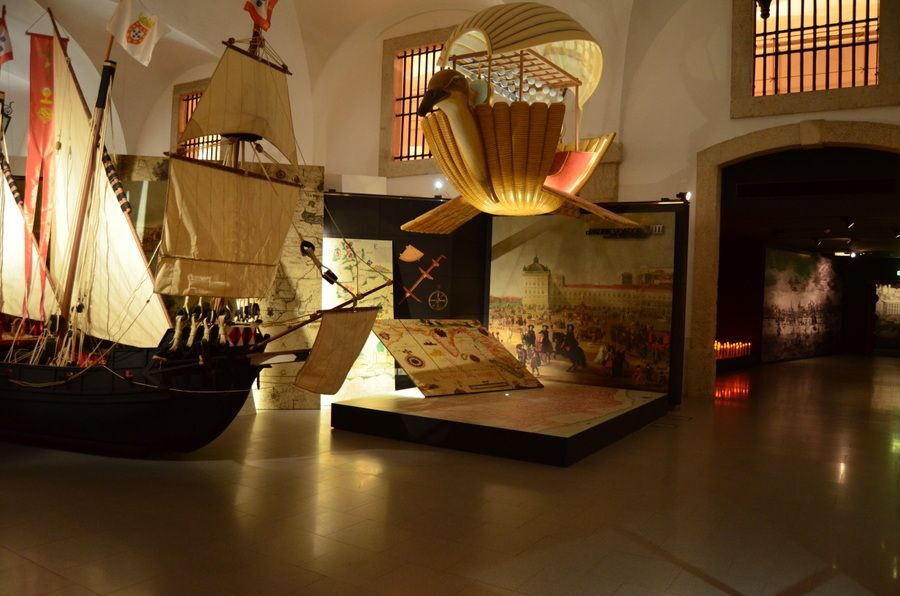
You’ll also have access to a temporary exhibition area related to the centre’s themes. Since it’s temporary, it’s a chance to get a slightly different angle during your visit.
This is a good reason to budget a little breathing room. The main circuit is about an hour, but adding time for the temporary space can make your ticket feel more complete.
Audio guide: the secret sauce for a smooth visit
The included audio guide is a major part of the value here. You’ll get language options including Portuguese (with adult and child versions), English, Spanish, French, Italian, German, Russian, Mandarin, and Japanese.
Practical benefit: you’re not forced into reading everything on tiny labels while a crowd moves around you. Instead, you get a recorded storyteller guiding you as you pass each scene.
Also, the narration helps you follow the chronological order without needing a handheld GPS for history. When you’re in a staged set, it can be hard to remember what just happened. The audio guide stitches it together.
Tip: start on your preferred language and stick with it during the main circuit. Switching languages mid-way can make it harder to keep the timeline smooth.
Timing, pacing, and what to do with your day ticket
Your day ticket gives flexibility with entry throughout opening hours, but don’t confuse flexibility with “stay forever.” The designed journey is about 60 minutes across the core spaces.
Here’s a smart way to plan your day:
- Choose an entry time that matches your energy level
- Give yourself extra time for the virtual model and any temporary section
- If you’re on a tight schedule, treat the 60-minute circuit as the main event and keep the rest as add-ons
Because the last entrance is 18:00, late-day arrivals can compress things. If you’re trying to pair this with other sights around Terreiro do Paço and downtown, aim earlier rather than later.
Who Lisboa Story Centre is best for
This is a strong choice if you want a high-impact introduction to Lisbon’s story without building a detailed self-guided syllabus.
You’ll likely enjoy it if:
- You like museums that are interactive and move you through a narrative
- You want a timeline that makes big events easier to remember
- You’re visiting for a short trip and want quick orientation
It’s also a decent fit for families. Some people flag that kids can enjoy it, and the mix of sets, technology, and guided storytelling tends to hold attention better than many traditional museum formats.
If you’re a history purist who wants academic detail and long lectures, you may want to pair this with other visits outside the centre. Think of Lisboa Story Centre as your “understand the plot fast” stop.
Price and value: what you’re really paying for
You’re buying a ticket for a guided, audio-supported story experience. The value comes from:
- Included audio guide across multiple languages
- A designed chronological layout that reduces confusion
- Big set-piece scenes, including major events like 1755
- A visual bridge via the virtual scale model
- Access to an additional temporary exhibition area
Even without a stated price here, the value logic is clear: you get a lot of “guided minutes” for your ticket because the centre does the storytelling work for you. It’s not just entry to rooms; it’s a structured path where the tech and narration carry much of the learning load.
Practical drawbacks to plan around
The biggest potential downside is comfort. There’s no mention of air conditioning, and at least one person pointed out the facilities lack it. In warm months, that can turn a “cool cultural break” into a “move through and keep going” situation.
The second potential mismatch is focus. The format emphasizes history episodes, and some visitors feel it doesn’t spend much time on very contemporary Lisbon. If your priority is modern culture, you might want to complement this with neighborhood walks and food stops elsewhere.
Should you book Lisboa Story Centre?
Book Lisboa Story Centre if you want a fast, guided way to understand Lisbon’s major turning points—especially if you like interactive, multimedia museum experiences.
Skip it or pair it carefully if you want very deep academic detail on every era, or if you specifically want a strong emphasis on modern Lisbon culture. In that case, you might still enjoy the 1755 and Pombal storyline, but it may not satisfy your full wishlist.
If you’re on a first trip to Lisbon, I’d put it near the top of your “do this early so the rest makes sense” list. You’ll leave with a clearer timeline—and a better eye for what you’ll see outside in the streets.
FAQ
How long is the Lisboa Story Centre visit?
The day ticket is built around a guided 60-minute journey across time and space.
What’s included with admission?
Your ticket includes admission to Lisboa Story Centre plus an audio guide.
Where is the meeting point?
The activity meeting point is at Terreiro do Paço, 78-81 1100-148 Lisboa.
What languages are available for the audio guide?
Audio guides are available in Portuguese (adult and child versions), English, Spanish, French, Italian, German, Russian, Mandarin, and Japanese.
What are the opening hours and last entrance?
Lisboa Story Centre is open daily 10:00–19:00, with the last entrance at 18:00.
Is Lisboa Story Centre wheelchair accessible?
Yes, it is wheelchair accessible.
How many exhibition areas are there?
There are 6 public areas: 5 main ground-floor exhibition areas and a 6th area on the first floor, plus access to a temporary exhibition space.