REVIEW · LISBON
Lisboa – A Morte do Corvo, new immersive theatre, not spoken
Book on GetYourGuide →Operated by UZERX - CONSULTORIA, LDA · Bookable on GetYourGuide
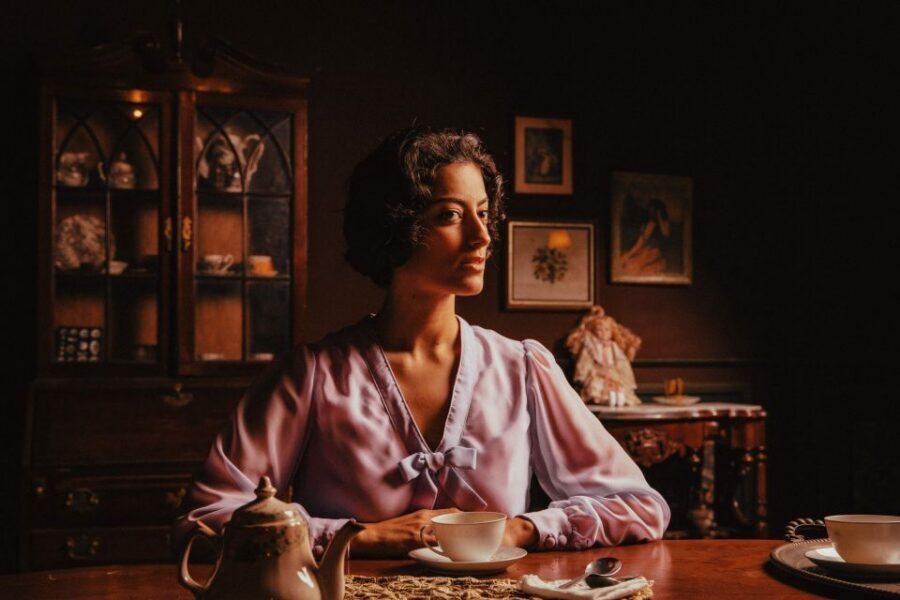
A dark-room plot. Then total silence. And somehow you still follow everything. A Morte do Corvo is a large-scale, wordless theatre experience set in 1924, where Edgar Allan Poe’s envy drives him toward a plan to kill Portuguese poet Fernando Pessoa. Instead of spoken lines, the story lands through body movement and choreography, with actors guiding your attention as you move through the space.
I particularly like the big set scale—you’re in a former military hospital next to Basílica da Estrela, with 2,000+ square meters and 25+ rooms to wander. And I also like the clarity of the physical acting: when you stop trying to translate words, you start reading posture, gesture, and rhythm fast. The main drawback to consider is practical: this is not a “sit and watch” show. You follow the actors through a two-floor building with a staircase and no lift, so comfortable shoes and staying on your feet matter.
In This Review
- Key points before you buy
- Poe and Pessoa in 1924, told with no spoken word
- What the wordless format demands from you
- Finding the abandoned Military Hospital meeting point
- The show timeline: a tight 2 hours in a big building
- Over 25 rooms: what to expect as you explore
- Initiation Forest, Burlesque Cabaret, and Opium Den stops
- Initiation Forest
- Burlesque Cabaret
- Opium Den
- How the actors guide you without talking
- Cameras off and noise off: do this for yourself
- English speaking host, but no English narration
- Value for €44: why the price can make sense here
- Who this show suits best (and who might struggle)
- Best fit
- Considerations
- Can you pair it with Lisbon sightseeing?
- Should you book A Morte do Corvo in Lisbon?
- FAQ
- How long is A Morte do Corvo in Lisbon?
- Where is the meeting point?
- Is the show spoken or is it wordless?
- Is the show in English?
- Are cameras or video recordings allowed?
- Can I bring a lot of noise or talk during the show?
- Is there a lift in the building?
- Is it suitable for children?
- Is the ticket refundable if my plans change?
Key points before you buy
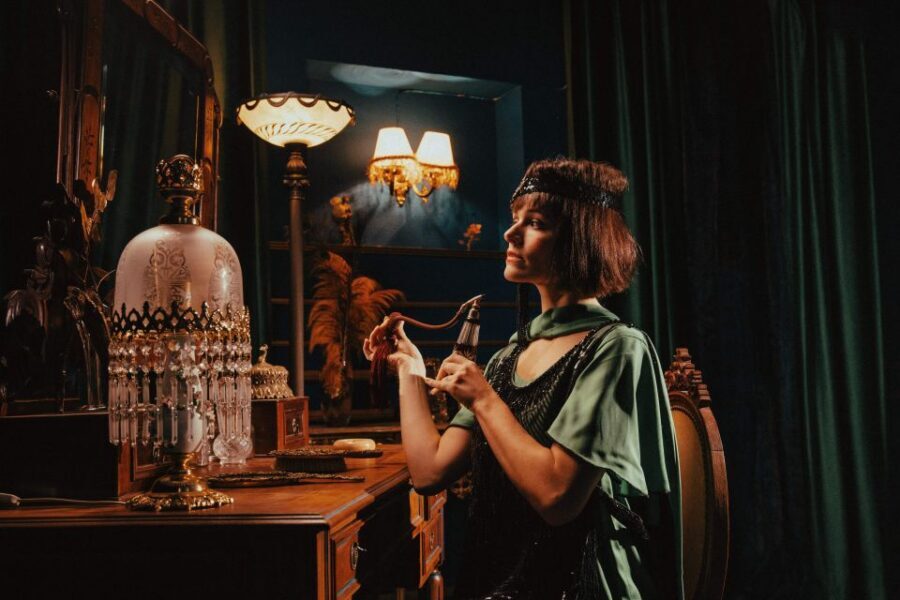
- Wordless storytelling: no spoken word, so you’ll read emotion through movement.
- 1924 Poe vs Pessoa premise: envy, intrigue, and rivalry all play out physically.
- Former military hospital setting: 2,000+ sqm across 25+ rooms next to Basílica da Estrela.
- You move with the show: the path runs across two floors, with stairs involved.
- Strict on cameras and noise: plan for a quieter, more focused experience.
Poe and Pessoa in 1924, told with no spoken word
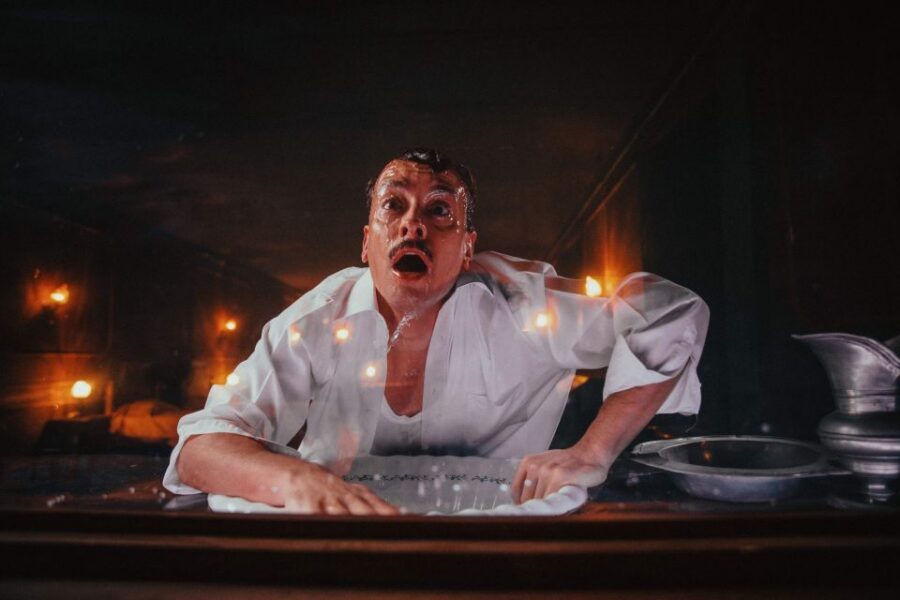
The premise is wonderfully odd in a good way. In 1924, Edgar Allan Poe is portrayed as consumed by envy, plotting to kill Fernando Pessoa, described in the show as Portugal’s greatest poet. If you expected a standard play with dialogue-driven plot points, you won’t get that. Instead, the dramatic engine is the actors’ physical language.
And here’s the trick: the lack of speech forces your brain to work harder—but in a satisfying way. You don’t have to hunt for subtitles. You don’t need to catch lines through a crowd. You watch. You notice. You follow the story by how the characters move when they’re calm, afraid, angry, or controlled.
This kind of performance style can be surprisingly effective in large spaces. Physical theatre doesn’t get lost in acoustics the way spoken audio can. In a big, old hospital building, you may even feel like the setting helps “hold” the drama.
You can also read our reviews of more tours and experiences in Lisbon.



What the wordless format demands from you
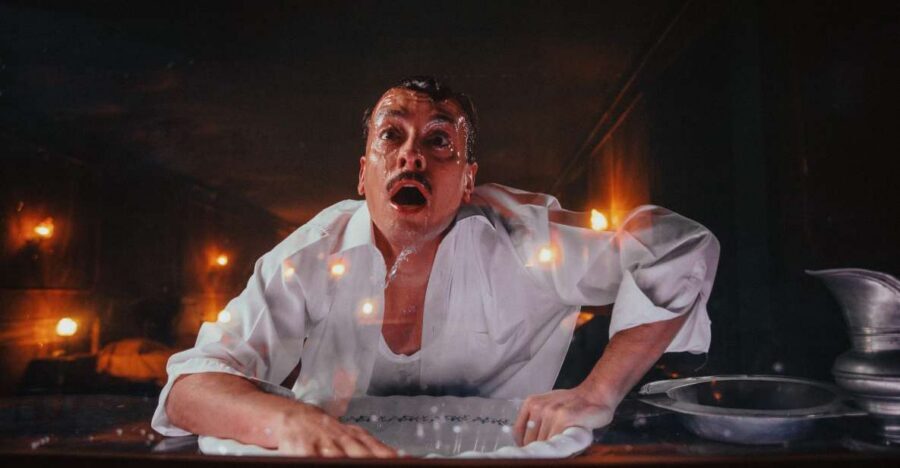
No spoken word sounds simple until you’re inside and realizing you’re the translator.
You’ll want to go in with the right mindset:
- Treat it like dance and mime with plot stakes.
- Stay alert when characters change proximity to you.
- Watch hands, faces, and pacing—not just big gestures.
A practical note from the experience itself: it can be easy to get a bit lost about who’s who if you drift mentally. The acting is strong, but the format doesn’t provide verbal labels. So if you like constant explanations, you might feel slightly behind at first. The good news? Once you lock onto patterns—who initiates, who resists, who follows—you’ll catch up quickly.
Finding the abandoned Military Hospital meeting point
Logistics in this experience matter more than usual because you’re moving with the performance.
At the start, you’ll look for a gate that leads into a parking lot with 24/7 security at the door. The abandoned Military Hospital is right there. A concierge will be at the gate to lead you the rest of the way.
Two practical tips:
- Arrive with a little buffer. Wordless theatre doesn’t give you “clarifying chatter” time.
- Wear shoes that handle uneven surfaces. This show is about movement.
Also, the host/greeter is English, so you should have no problem understanding what’s expected before you enter.
The show timeline: a tight 2 hours in a big building
The duration is 2 hours, and starting times depend on availability. You’ll want to book at a time that doesn’t feel rushed with your other Lisbon plans. This isn’t the kind of experience you want to squeeze between a long transfer and a late dinner.
During the show, you follow the actors through a two-floor building. There’s a staircase, and there is no lift, which affects how smoothly you can keep up.
If you’re someone who likes control, you might find this more challenging than a normal ticketed show. You’re not free to wander whenever you want; you’re guided. Think of it as walking through scenes that happen around you.
Over 25 rooms: what to expect as you explore
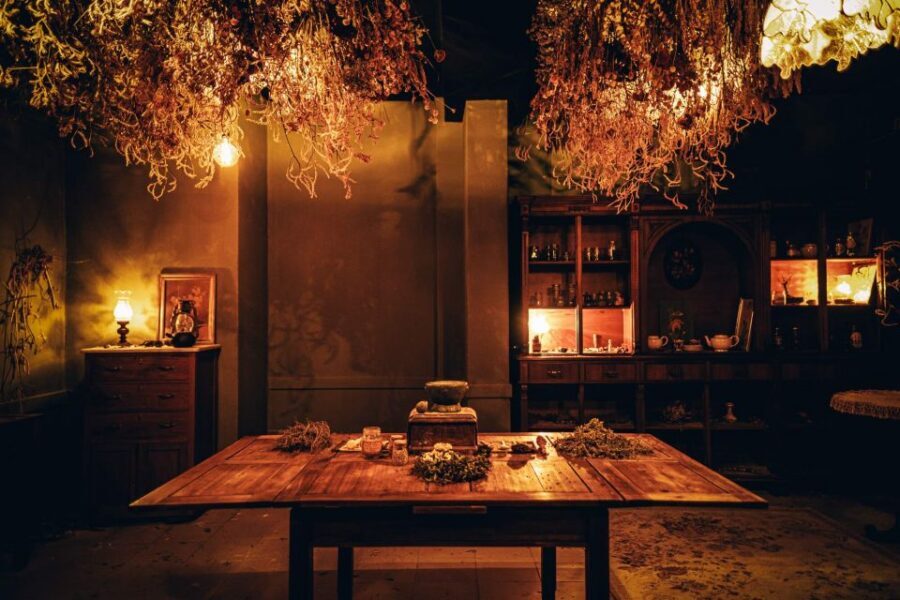
One of the biggest reasons people buy into this format is the scale. You get more than just a single stage room. You can explore 2,000+ square meters and 25+ rooms, including themed spaces like an Initiation Forest, a Burlesque Cabaret, and an Opium Den.
That matters because your attention isn’t trapped on one visual. Each room gives you a new “camera angle,” except your camera is your own body and your own curiosity. You shift your position, you re-center, and the story reorganizes around you.
A helpful way to think about it: the spaces act like story chapters. When you move into a new room, the tone usually changes—power dynamics, tension, control. Even without dialogue, your eyes can still track those shifts.

Initiation Forest, Burlesque Cabaret, and Opium Den stops
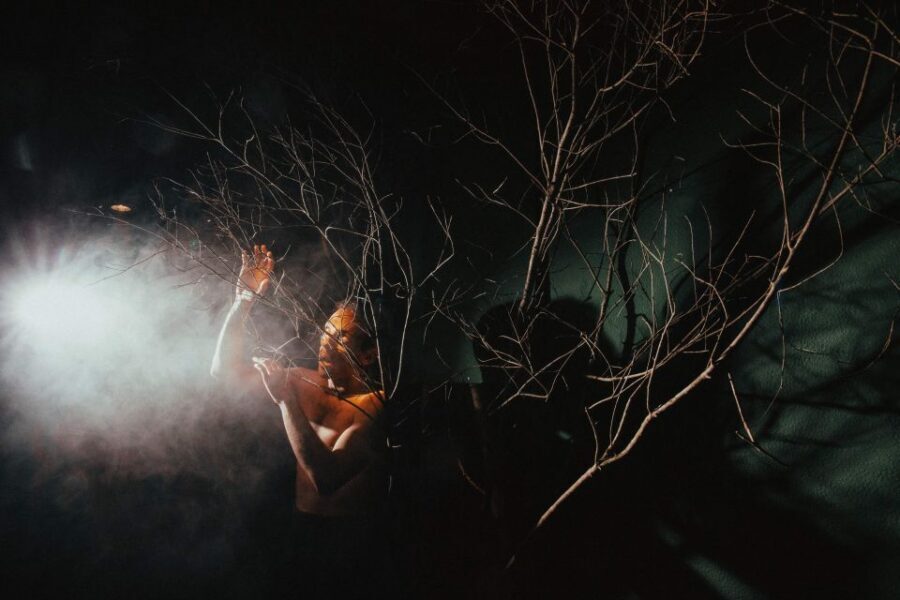
The experience gives you multiple themed environments, and each one changes the energy of what you’re watching.
Initiation Forest
You’ll likely associate an initiation setting with tests, resistance, and transformation. In a wordless show, that’s exactly what physical acting can emphasize: who advances, who blocks, who yields. If you pay attention to the pacing, the “forest” moments can feel like the show is resetting your emotional compass.
Burlesque Cabaret
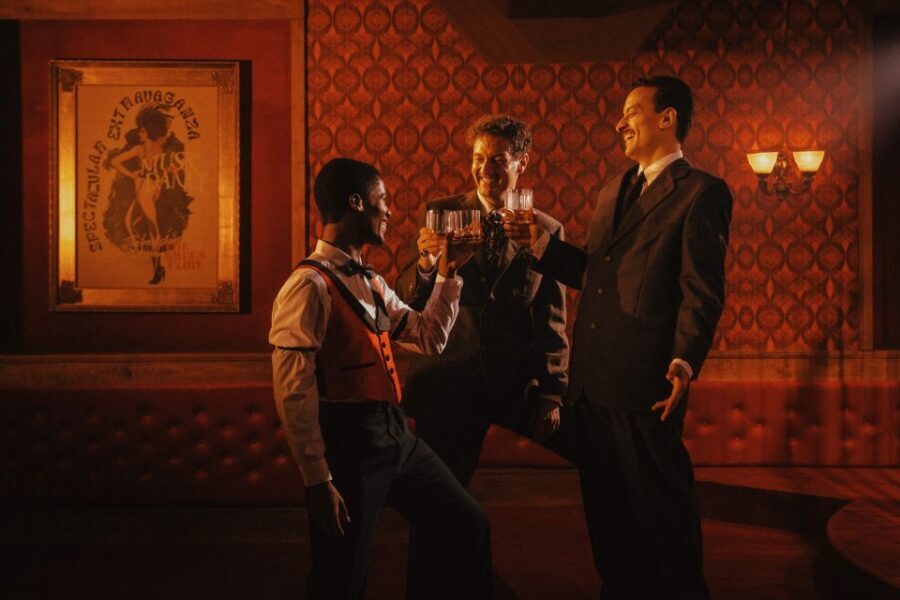
Burlesque usually brings performance flair—body control, flirtation, swagger, and showmanship. In this context, it’s a strong contrast to darker plot beats. Expect physical expression to be extra readable here: posture and theatrical movement become a language of their own.
Opium Den
A den setting naturally signals secrecy, haze, and obsession. Again, the story has to carry that mood without words, so you’ll watch for how characters move when they’re withdrawn or locked into a trance-like state. This part is often where wordless theatre shines, because the acting can use silence and stillness as part of the drama.
Even if you don’t catch every detail instantly, moving through these rooms gives you enough emotional clues that you’ll understand the stakes.
How the actors guide you without talking
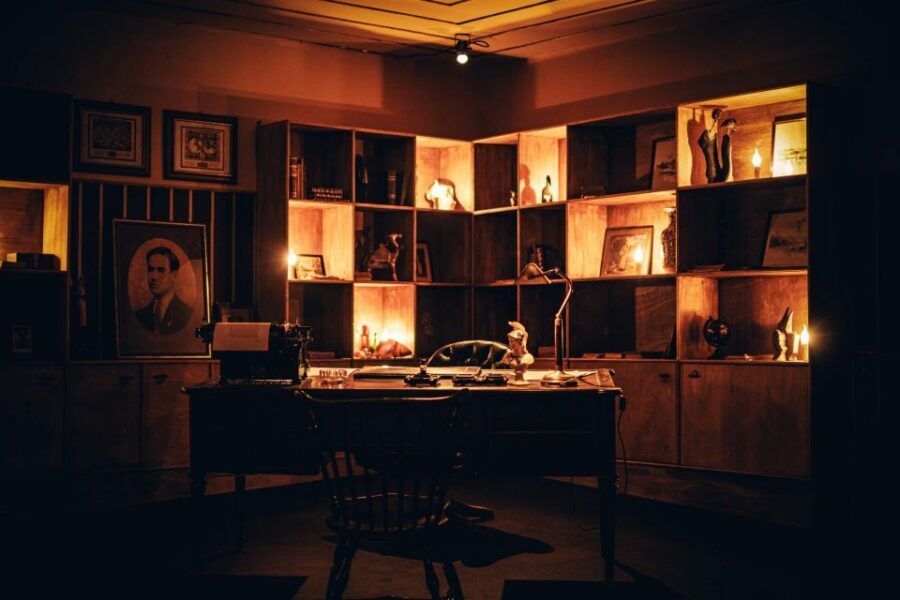
What makes this experience work is the choreography of interaction. The characters tell the story through non-verbal language and movement, and you follow the actors throughout the two-floor building.
Here’s what that means for you on the ground:
- You’ll be watching for cues in body language, not sentences.
- You’ll notice that characters may draw you toward certain corners, hallways, or rooms.
- You’ll likely need to move at the pace set by the performance.
This is also why cameras and noise rules exist. The show depends on your focus. If someone records video, it turns the room into a tech stage, and it pulls attention away from the actors. Same with chatter.
Cameras off and noise off: do this for yourself
The rules are clear:
- No cameras
- No video recording
- No making noise
That’s a big ask in 2026, but it’s also part of the deal. Without speech, the theatre is “listening” with the eyes and bodies. Your attention is the currency.
I’d treat the ban as a gift:
- You’ll remember the experience better if you don’t watch it through a screen.
- You’ll catch more of the choreography when you’re not interrupted.
Also, wearing comfortable shoes helps with the boring but important part: not slowing down your group or your own momentum when stairs and movement are involved.
English speaking host, but no English narration
One more expectation check: the host/greeter is English, and the experience is described with English language support for the ticketing side. But once the show starts, the storytelling is no spoken word.
So don’t expect an English narrator explaining the plot. You’ll understand the story through physical performance, room changes, and character actions.
If you’re coming from a background where you need constant context to feel oriented, plan a slightly more “active” viewing style. Lean in. Watch faces. Watch hands. Stay with the character dynamics.
Value for €44: why the price can make sense here
Price is listed at $44 per person (2 hours). That’s not the cheapest way to spend an evening in Lisbon. But you’re paying for a few things that add up:
- A large-scale space (2,000+ sqm and 25+ rooms)
- A performance built for movement rather than only seated viewing
- A strict format (wordless, choreography-driven) that requires high production focus
In other words, you’re not just buying entry to one room. You’re buying the chance to experience a story across multiple themed environments in one continuous run.
The show is available in Lisbon, with this theatre format said to be seen only in New York or London otherwise. That uniqueness is part of the value logic. You’re getting a style you can’t easily recreate at home.
One more practical note: the ticket is non-refundable, so make sure the 2-hour window fits your schedule.
Who this show suits best (and who might struggle)
This is not a casual “anyone can drop in” activity.
Best fit
You’ll likely enjoy it if you:
- Like theatre that makes you watch rather than listen.
- Are comfortable following actors through a set path.
- Want an unusual Lisbon evening near Basílica da Estrela beyond standard sightseeing.
The rating is 4.7 based on 53 bookings, which is a solid sign the format lands for most people.
Considerations
It’s not suitable for children under 18, and it’s also not suitable for people with mobility impairments due to stairs (no lift).
If you’re someone who becomes frustrated by ambiguity—especially when you can’t confirm plot points with dialogue—go in knowing that you may need to work a bit harder to identify characters. The physical acting is praised, but the no-words format can make character tracking a challenge at first.
Can you pair it with Lisbon sightseeing?
Yes, but keep it simple.
The venue is next to Basílica da Estrela, so it sits in a convenient area if you want to round out your day in that neighborhood. Still, because this show is 2 hours and asks you to arrive focused, don’t stack it right after something exhausting. You’ll do better with a relaxed pace before you go in.
Also remember the no-camera rule. That means you won’t be “covering” your evening with photos. Plan to see Lisbon through your normal walking time, then give this experience the attention it asks for.
Should you book A Morte do Corvo in Lisbon?
If you want a one-of-a-kind evening where the story is told by movement, not dialogue, this is a strong choice. The big spaces, the themed rooms, and the wordless performance style combine into something that feels different from the usual show-and-sit routine.
Book it if:
- You’re okay following actors through multiple rooms and a staircase.
- You can enjoy theatre even when you don’t get spoken explanations.
- You want a rare format you’re unlikely to find elsewhere in the same way.
Skip it if:
- You need dialogue to keep track of characters.
- You’re uncomfortable with stairs or mobility limitations.
- You’re hoping to film the experience.
FAQ
How long is A Morte do Corvo in Lisbon?
The show lasts 2 hours.
Where is the meeting point?
Meet at a gate leading into a parking lot with 24/7 security at the entrance. A concierge will guide you from there at the abandoned Military Hospital.
Is the show spoken or is it wordless?
It has no spoken word. The story is told through body movement and choreography.
Is the show in English?
The host or greeter is English, and the experience is presented with English as the language.
Are cameras or video recordings allowed?
No. Cameras and video recording are not allowed.
Can I bring a lot of noise or talk during the show?
No. Making noise isn’t allowed.
Is there a lift in the building?
There is a staircase, and there is no lift.
Is it suitable for children?
No. It is not suitable for children under 18.
Is the ticket refundable if my plans change?
No. The activity is non-refundable.