REVIEW · LISBON
Jewish Sephardic history in Lisbon
Book on Viator →Operated by TakingUThere · Bookable on Viator
Lisbon has a secret Jewish spine. This 4-hour small-group tour pairs a real inside visit to Shaare Tikva with a guided walk through key city areas tied to Portugal’s Sephardic story—especially how Jewish communities showed up, vanished, and reappeared over centuries.
I love two things most: the inside access to the synagogue with lines skipped, and how the guide (often Paulo Levy) tells the story in a way that makes Lisbon streets feel like documents. You also start with an expert intro at the synagogue—often led by Joao—so you’re not guessing what you’re looking at.
One thing to consider: after the synagogue, there’s not a lot of surviving Jewish architecture to point at, so you’re going to rely on interpretation. Also, you should expect lots of walking and steps, since the route moves through hilly, older neighborhoods.
In This Review
- Key highlights to know before you go
- Shaare Tikva Synagogue: where the story gains a heartbeat
- Paulo Levy’s Lisbon: connecting Sephardic history to real street corners
- Principe Real and Chiado: a downhill walk through memory
- Bertrand bookstore and the Jewish writer link in Chiado
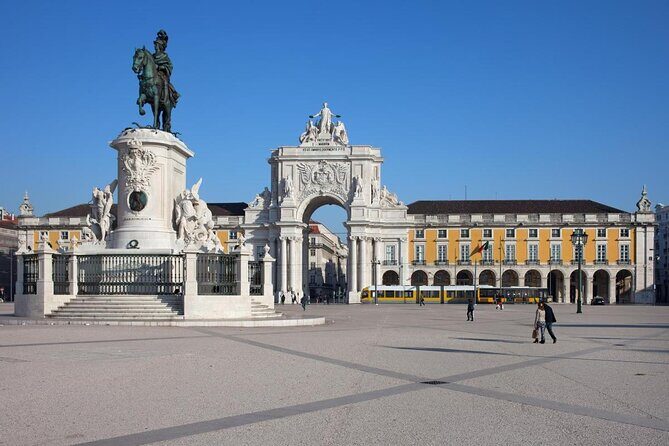
- Terreiro do Paço (Praça do Comércio): Portugal’s turning points in one big square
- Rossio Square: the Inquisition context near the Pedro IV Column
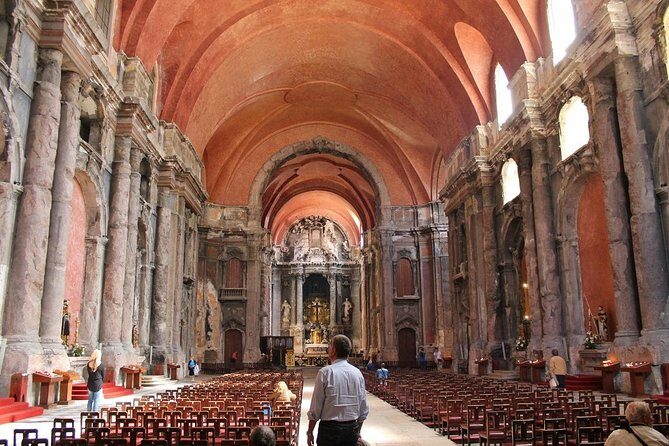
- Igreja de São Domingos and the 1506 Lisbon Massacre story
- How much walking, and what to wear in Lisbon’s old streets
- Price and value: $84.10 for tickets, line-skipping, and a guided narrative
- Who should book this Sephardic Lisbon tour (and who might not love it)
- Should you book this tour?
- FAQ
- Which days can I visit Shaare Tikva inside?
- Is the synagogue admission included?
- How big is the group?
- What’s the walking and fitness level like?
- What dress code should I follow?
- What passport information do I need to provide?
- Where do the tour start and end?
Key highlights to know before you go
- Inside Shaare Tikva, not just outside photos: you get synagogue access with tickets included, but only on Tuesdays and Thursdays.
- Small group pace (max 8): easier questions, less crowd pressure, and more time for the guide to explain what you’re seeing.
- Chiado stop plus Bertrand bookstore context: you’ll pass the famous Bertrand bookstore (founded 1732 by Pedro Faure).
- Rossio and the Inquisition reminders: the Rossio area is tied to Inquisition-era power, interpreted through landmarks like the Pedro IV Column and nearby theatre history.
- São Domingos and the 1506 Lisbon Massacre story: the tour connects the April 19, 1506 violence to the church area where the epicenter is described.
- A clear “Sephardic Lisbon” narrative: the emphasis is on how communities moved, changed, and survived—rather than on finding intact medieval synagogues.
Shaare Tikva Synagogue: where the story gains a heartbeat
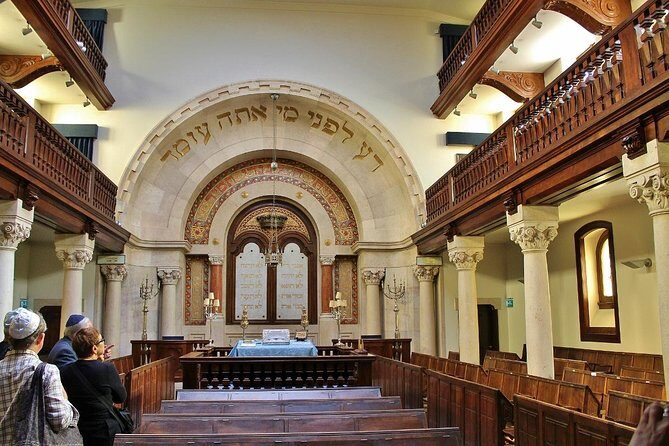
The tour starts at Sinagoga Shaare Tikva in Lisbon, and it matters that you go inside. This is the first synagogue built in Portugal since the late 15th century, so you’re stepping into a later chapter of Jewish life—not a “mystery ruin” with vague explanations.
In practice, the inside visit is the anchor point of the whole experience. You’ll have a guide who can point out details and put them in context. One review noted a strong start with an introduction from a synagogue staff member at the beginning, and that early framing makes the rest of Lisbon’s walking route land better.
Timing note you should plan around: the tour only allows inside synagogue access on Tuesdays and Thursdays. On other days, you may still cover the broader walking story, but don’t assume the synagogue interior is always part of your day. If synagogue time is your top priority, build your Lisbon dates around those weekdays.
You can also read our reviews of more historical tours in Lisbon

Paulo Levy’s Lisbon: connecting Sephardic history to real street corners
From the synagogue, the tour becomes a guided “read” of Lisbon. You’ll move from the area around Shaare Tikva down toward Principe Real and into Chiado, with stops placed where the guide can connect Jewish history to what you can actually see today.
A big reason this tour earns such strong marks is the style of storytelling. Paulo Levy is repeatedly mentioned for passion and energy, plus a knack for linking Portuguese history to Jewish history in a way that feels logical instead of lecture-y. Expect lots of “wait, look at that” moments—like how a writer, a neighbourhood, or a landmark connects back to the broader Sephardic experience.
One practical benefit: you’re not doing this solo while trying to interpret plaques and random facades. The guide explains what specific places meant, including why it’s hard to find physical remnants. That matters in Lisbon, because the city you see now largely comes after major disruptions.
Principe Real and Chiado: a downhill walk through memory
The Principe Real segment is short but smart. You’re walking down from the synagogue area toward Chiado, so you’re doing two useful things at once: seeing the city’s geography and getting gradually placed into the central neighbourhoods where stories unfold.
Even if you’re not the type who loves walking tours, this stretch works because it sets the “map” in your head. Lisbon’s hills can throw you off, and a guided route helps you avoid wasting time later when you’re trying to return to places on your own.
There’s also a subtle value here: the tour uses neighbourhood movement to show continuity. It’s not only about named sites. It’s about how communities lived among ordinary city life—then got erased, then rebuilt, then changed form again.
Bertrand bookstore and the Jewish writer link in Chiado
Once you reach Chiado, you’ll make a stop at Bertrand, often described as the oldest bookstore in the world (founded in 1732 by Pedro Faure). The tour frames it as a location where Lisbon’s intellectual and cultural life intersects with Jewish presence in the city’s long story.
You’ll also learn about a famous Jewish writer associated with the area. The point isn’t that Lisbon has one perfect surviving Jewish landmark to worship at. It’s that Jewish life shows up in names, ideas, and institutions—even when buildings don’t survive in their original form.
If you enjoy cultural tourism—history as it shows up in writers, books, and everyday institutions—this stop is a strong payoff. If you’re only here for synagogues and cemeteries, you might find this portion feels more interpretive and less “site-focused.”
Terreiro do Paço (Praça do Comércio): Portugal’s turning points in one big square
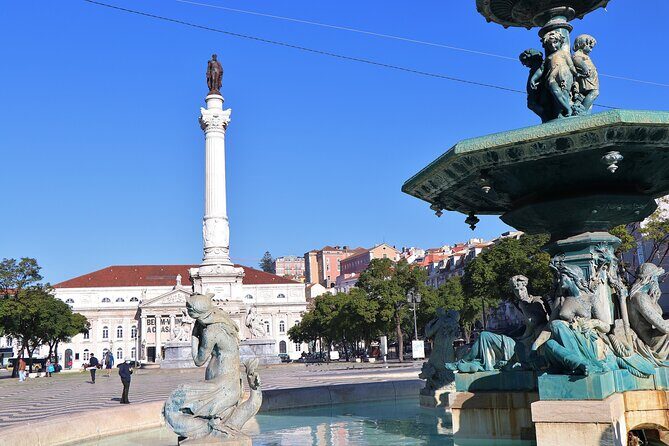
In Baixa, the tour walks to Terreiro do Paço, also known today as Praca do Comercio. It’s Lisbon’s biggest square, and it’s a useful setting for the kind of history this tour tells.
Why does a square matter for Jewish Sephardic history? Because the story the guide gives isn’t just about one community. It’s about how Portugal changed at major moments, and how those changes shaped who was safe, who was targeted, and who had to reinvent themselves.
This stop is also a breather in the route rhythm. You’re in an open area, which helps when you’ve been doing narrower streets and steps. It’s also the kind of place you can later recognize on your own and connect back to what the guide explained.


Rossio Square: the Inquisition context near the Pedro IV Column
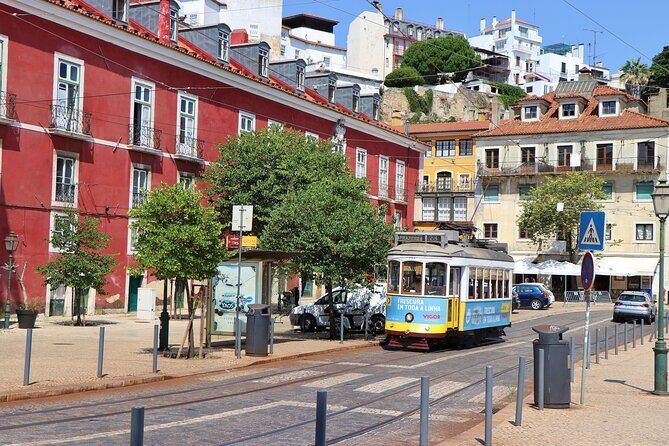
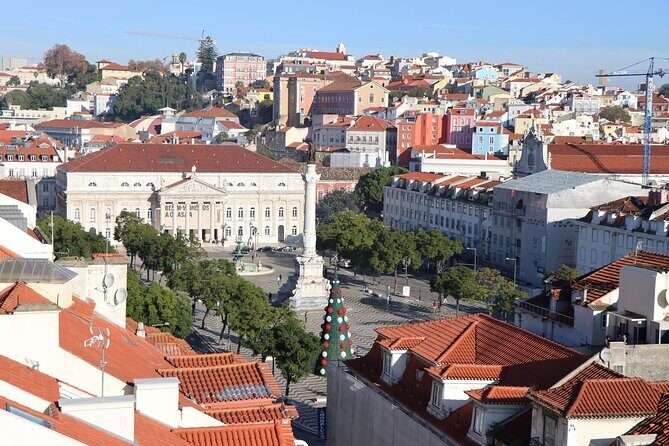
Next comes Praca Dom Pedro IV and the Rossio Square area. The tour ties this area to the centre of the Holy Inquisition, using landmarks as your anchors while the guide explains what was happening around that era.
You’ll see the Column of Pedro IV, known as the Soldier King, and you’ll hear about the four female figures at its base. They represent qualities attributed to the king—Justice, Wisdom, Strength, and Moderation—which gives you a nice contrast to the darker “religious power” context the tour describes nearby.
Another important nearby landmark gets covered too: the D. Maria II National Theatre, founded in 1842 and replacing the Estaús Palace, described as the headquarters of the Portuguese Inquisition from the mid-15th century. The theatre itself may look like a normal cultural stop, but the tour uses it to show how power structures can get repurposed—or erased from public memory while the effects remain.
This is one of the more history-dense stops. If you like your history with specific place names and a timeline thread, you’ll likely enjoy Rossio most.
Igreja de São Domingos and the 1506 Lisbon Massacre story
The final “big historical wallop” stop is Igreja de S Domingos, tied to the April 19, 1506 Lisbon Massacre as described on the tour. You’ll learn what happened and why it happened—specifically referencing violence against “New Christians,” with the guide connecting it to what was happening in Lisbon’s streets.
The tour says that during the following days, more than 3,000 “New Christians” were murdered in the streets, and that the Sao Domingo Church area was the epicenter. Even if you’re not deep into Portuguese religious history, this stop gives you a hard-edged sense of what “pressure, fear, and forced identity” looked like on the ground.
From a travel perspective, the value is emotional and educational. You don’t just learn that repression existed; you learn where in Lisbon it concentrated, so the city’s quieter corners suddenly make sense.
How much walking, and what to wear in Lisbon’s old streets
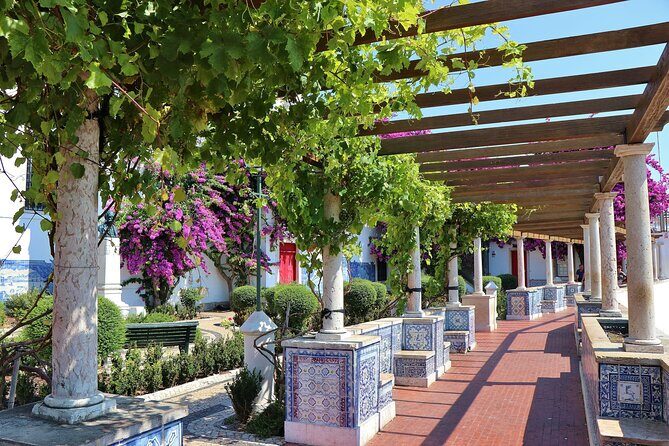
This is a walking-focused tour with a moderate fitness level requirement. Lisbon old-town streets mean uneven paving, narrow lanes, and steps. One review even mentioned walking about 4 miles across the route, so plan for real movement, not casual strolling.
Also, there’s a dress code for the synagogue visit: avoid uncovered shoulders, shorts, and mini-skirt styles. If you show up in summer heat gear, you’ll spend the first 10 minutes of the tour worrying about adjustments instead of learning.
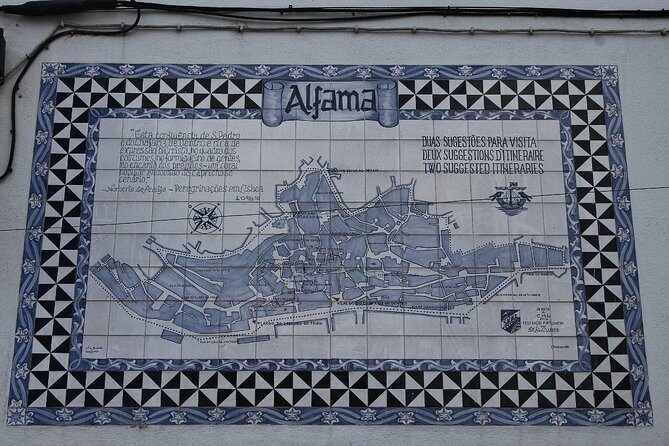
One more practical note: tours start on a set meeting point at Shaare Tikva Synagogue on R. Alexandre Herculano 59, but the end point may vary. It can be somewhere in Lisbon’s Old Town and might not be exactly Alfama, depending on group interests and weather, and your walking pace.
Price and value: $84.10 for tickets, line-skipping, and a guided narrative
At $84.10 per person for about 4 hours, this tour is priced like a mid-range “special access + guide” experience. What pushes the value up is that the synagogue admission ticket is included, plus the guide accompanies you inside and helps you skip ticket lines.
Many Lisbon tours look cheap until you realize you’re paying separately for the main site. Here, the main site entry is already baked into the cost, which reduces both hassle and surprise fees.
You’re also getting a small group size (max 8), which can matter more than people think. With a small group, you can ask follow-up questions about a writer, a landmark, or a confusing moment in the story. That’s how the tour becomes memorable instead of just informative.
Who should book this Sephardic Lisbon tour (and who might not love it)
Book it if:
- You care about Sephardic and Jewish Portuguese history, especially the story of community persistence and forced change.
- You want to see Shaare Tikva from inside and have a guide connect what you see to Portugal’s broader events.
- You like walking tours where the route is a “timeline through neighbourhoods,” not a checklist of monuments.
You might want to rethink if:
- You’re expecting lots of surviving Jewish sites beyond the synagogue. Lisbon’s Jewish footprint is heavily shaped by later events, so much of what you’ll learn comes from interpretation rather than intact medieval buildings.
- You don’t want to walk much. Plan for steps and hills, and keep your day flexible.
If you fall somewhere in the middle—curious and willing to walk—you’ll probably love it. This is the kind of tour that helps you read Lisbon after you leave.
Should you book this tour?
Yes, if Shaare Tikva inside access is on your must-do list and you want a guided story through Lisbon’s Jewish and Sephardic chapters. The combination of skip-the-line convenience, a focused synagogue start, and a passionate guide like Paulo Levy makes the ticket feel worth it.
Just go in with the right expectations: the walking route is about context and connections, not about finding a long parade of intact Jewish buildings. If that trade-off feels fair to you, you’ll come away with a clearer sense of Lisbon—and a smarter way to look at it.
FAQ
Which days can I visit Shaare Tikva inside?
Inside access to the synagogue is only available on Tuesdays and Thursdays.
Is the synagogue admission included?
Yes. The tour includes the admission ticket for Sinagoga Shaare Tikva, and the guide will accompany you inside.
How big is the group?
This experience has a maximum of 8 travelers, with a small-group format and a professional guide.
What’s the walking and fitness level like?
The tour asks for moderate physical fitness. The route is walking-heavy with narrow streets and steps, so wear shoes you can handle on uneven pavement.
What dress code should I follow?
For the synagogue visit, avoid uncovered shoulders, shorts, and mini-skirts.
What passport information do I need to provide?
At booking time, you’ll need passport details for all participants: name, number, expiry date, and country.
Where do the tour start and end?
The tour starts at Shaare Tikvah Synagogue, R. Alexandre Herculano 59, 1250-010 Lisboa. The end point is in Lisbon’s Old Town and may not be Alfama, depending on the group and conditions.