REVIEW · LISBON
Fátima, Grutas de Mira de Aire, Nazaré & Óbidos – 10H Small Group
Book on Viator →Operated by Tripnova · Bookable on Viator
Fátima and caves in one long day. This small-group tour strings together four big Portuguese draws—Grutas de Mira de Aire, the Fátima sanctuary, Nazaré’s surf legends, and walled medieval Óbidos—with a guide who keeps the story moving so you don’t feel like you’re just getting dropped at landmarks.
I especially like two things: the small group size (max 8) that makes it easier to ask questions and get quick help, and the onboard Wi‑Fi so you can stay connected between stops without burning your phone data. The included cave ticket also saves a hassle before you even start walking underground.
One possible drawback: it’s a full-day push (about 10 hours) and lunch isn’t included, so you’ll want a plan for when you get hungry later in the day. Also, the experience requires good weather, since you’ll be spending time outdoors in seaside Nazaré.
In This Review
- Key things I’d plan around
- A 10-hour best-of day from Lisbon (and why it works)
- Grutas de Mira de Aire: the hour underground you’ll remember
- Fátima’s basilicas and the Chapel of the Apparitions (what to focus on)
- Basilica of Our Lady of the Rosary
- Chapel of the Apparitions
- Basilica of the Holy Trinity
- Nazaré for Praia do Norte waves and the Sítio funicular climb
- Giant wave watching at Praia do Norte
- Clifftop views in Sítio
- Óbidos: medieval walls, cobblestones, and ginjinha in a chocolate cup
- Small-group pacing, guide attention, and onboard Wi‑Fi
- Price and value: is $144.35 worth it?
- What to bring (and how to survive a long day)
- Should you book this tour?
- FAQ
- How long is the tour?
- What time does it start in Lisbon?
- How many people are in the group?
- Is the tour in English?
- What’s included in the ticket price?
- Is Wi-Fi provided during the tour?
- Is lunch included?
- Where does the tour meet and end?
Key things I’d plan around
- Grutas de Mira de Aire ticket included for a focused, one-hour cave visit
- Fátima highlights in a sensible order, from the Basilica to the Chapel of the Apparitions
- Nazaré wave views from Praia do Norte and Sítio with funicular access
- Óbidos walk inside the castle walls with time for cherry liqueur (ginjinha)
- Max 8 travelers + onboard Wi‑Fi, which helps the day feel less chaotic
- Air-conditioned vehicle for smoother long-distance riding
A 10-hour best-of day from Lisbon (and why it works)

If you like Portugal but you don’t want to spend your whole trip doing logistics, this is a strong single-day route. You start in Lisbon early (8:30am) and then you’re out the door toward three regions that feel very different from each other—cool underground caves, solemn religious sites, and Atlantic coast towns.
What makes the day click is the pacing. You’re not trying to “do everything” at each stop. Instead, you get a guided orientation, key sights, and enough time to walk, look, and reset before the next drive.
You’re also paying for more than sightseeing. The tour includes an air-conditioned vehicle, a personal guide, and the admission ticket for the main paid stop: Grutas de Mira de Aire. The other major stops in Fátima, Nazaré, and Óbidos are listed as free admissions on the schedule, which helps this feel like good value for a 10-hour day.
You can also read our reviews of more tours and experiences in Lisbon.



Grutas de Mira de Aire: the hour underground you’ll remember
Mira de Aire is about 1.5 hours from Lisbon, and then you step into the kind of place that changes your scale instantly. The caves are Portugal’s largest and most spectacular cave system, with stalactites and stalagmites formed over millions of years.
You’ll get about an hour inside, and that duration is just right for most people. Long enough to feel the atmosphere—like you’re inside a subterranean cathedral—without turning the visit into a marathon. The ticket is included, so you avoid the usual “find the right window and hope it’s not closed” scramble.
Practical note: caves can feel cooler and slightly damp compared to the street. Even if you don’t get chilly, you may want a light layer, especially if you plan to take photos. Closed shoes help too—because everyone ends up moving around on uneven cave surfaces.
Why this stop is worth leading: a good guide can explain what you’re seeing as you go. Without that context, caves can feel like “big room, lots of rocks.” With the context, you notice patterns and formations instead of just taking pictures.
Fátima’s basilicas and the Chapel of the Apparitions (what to focus on)
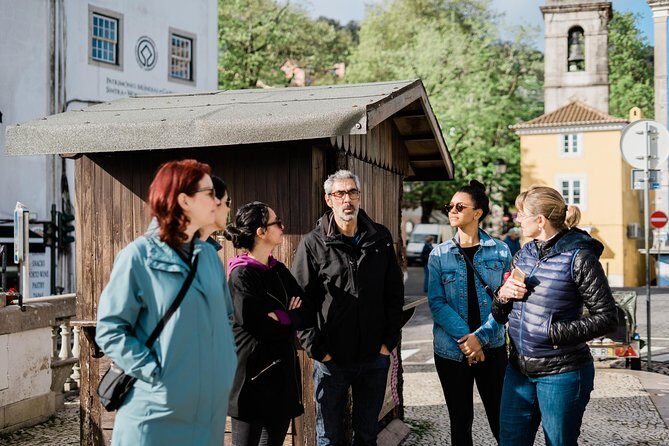
Fátima is the emotional center of the day. You’re there for the Basilica of Our Lady of the Rosary, the Chapel of the Apparitions, and the Basilica of the Holy Trinity—three very different “stops” that still connect to one place: the Fátima Sanctuary.
Here’s how I’d approach it, so you actually take it in:
Basilica of Our Lady of the Rosary
This is the big iconic white-stone church with a 65-meter bell tower. It’s built in a neobaroque style, and the golden crown over the esplanade is one of those details you’ll keep noticing from different angles. If you’re walking around the plaza, take a few minutes just to look up and scan the façade and tower line.
Chapel of the Apparitions
This is the spiritual core—the exact spot associated with the 1917 appearances. The key here is to slow down. Even if you’re not religious in a traditional sense, you’ll feel the gravity of the place. It’s not a museum stop. It’s a living devotional site, and the atmosphere matters as much as the architecture.

Basilica of the Holy Trinity
Across the esplanade, this one feels modern and serene. It’s one of the largest Catholic churches in the world with space for nearly 9,000 worshippers. It was completed in 2007, and its cleaner, more minimalist design creates a quiet contrast to the older Basilica of Our Lady of the Rosary.
The practical payoff: doing these three in one block helps you see the sanctuary as a whole, not as a checklist. You connect ornament and monument (Rosary Basilica), meaning (Chapel), and scale (Holy Trinity) in a single walkable zone.
Time-wise, the schedule gives you about two hours for Fátima. That’s enough to see the main areas without feeling like you’ll be late back to the van.
Nazaré for Praia do Norte waves and the Sítio funicular climb
Nazaré sits on Portugal’s Silver Coast, and it’s famous for two things: fishing culture and wave obsession. Even if you’re not a surfer, you’ll understand why people gather here when the ocean is doing its thing.
You’ll get about an hour for Nazaré, split between the area with the famous surf views and the clifftop district called Sítio.
Giant wave watching at Praia do Norte
The highlight is the Giant Waves of Praia do Norte, known for producing some of the biggest surfable waves in the world—waves that can reach over 30 meters high. From the viewpoint area near the Forte de São Miguel Arcanjo, you’re watching surfers ride waves that look unreal for the coastline below.
You don’t control the waves, of course. On calmer days, you’ll still enjoy the drama of the coastline and the story of why this place became a global surf destination.
Clifftop views in Sítio
After the wave viewpoint, you head to Sítio, which you reach by funicular up to the clifftop district. This is where you’ll find panoramic views, charming streets, and the Sanctuary of Our Lady of Nazaré—a pilgrimage spot linked to legend.
In one hour, you’re not going to “live like a local” on foot, but you can get the feeling of the town if you keep your walks practical. A short walk, good viewpoints, then back before the light changes too fast.
Óbidos: medieval walls, cobblestones, and ginjinha in a chocolate cup
Óbidos feels like a storybook because it’s literally contained. You’re in a medieval town surrounded by ancient castle walls, and the vibe is instantly different from Lisbon or the coast.
It’s often called the wedding gift town. The name comes from the 13th-century story of King Dinis gifting Óbidos to his queen Isabel. In practice, that history translates into a town laid out for slow wandering: cobbled streets, whitewashed houses, and colorful flowers around doors and windows.
Then there’s the food-and-drink moment you’ll want to plan around: ginjinha, the local cherry liqueur. It’s commonly served in small chocolate cups, which makes it a fun stop even if you’re just sampling one.
You’ll have about an hour in Óbidos. My advice: treat it like a walking circuit. Pick a couple streets near the center to explore, find a place for the liqueur, and don’t over-plan. This is the kind of town where the best moments happen when you turn down a side street and see something small and unexpected.
Small-group pacing, guide attention, and onboard Wi‑Fi

The big advantage here is not just “a guide.” It’s how the day is structured for a group that’s capped at 8 travelers. With a larger tour, you often feel like you’re waiting on other people. With a smaller group, the guide can keep everyone moving, but also pause for questions and small course corrections.
I’ve also learned that what makes a day tour feel worth it is whether the guide helps you understand what you’re looking at in plain language—so you don’t have to guess why a place matters.
This tour includes onboard Wi‑Fi, which sounds small until you’re on long drives. You can check maps, send messages, or recharge your own mental energy without committing to roaming fees. It’s also useful for practical basics like confirming departure points and timing between stops.
Vehicle comfort matters too. You get an air-conditioned vehicle, which helps when you’re bouncing between inland and seaside.
Price and value: is $144.35 worth it?
At $144.35 per person, you’re paying for a full 10-hour day that combines guided transport, a personal guide, and at least one included admission: Grutas de Mira de Aire.
What makes the pricing feel more reasonable is that the other major sights listed—Fátima, Nazaré, and Óbidos—are marked as admission ticket free in the schedule. That means your money goes toward the guided routing and the time you spend actually seeing the places, instead of stacking paid entries at every stop.
And the group size helps. In tours where you cram 20+ people into a van, the per-person cost may look similar, but you end up spending half your day waiting in line or waiting for the group to regroup. Here, the cap of 8 travelers makes the day feel more personal.
Now, the balance check: lunch isn’t included. So if you’re the type who needs a proper meal to stay comfortable, you’ll likely add that cost. If you plan ahead—snacks, water, or a simple lunch purchase once you arrive—you keep the spending under control and still enjoy the day without rushing.
What to bring (and how to survive a long day)

This is a long day, so you’ll enjoy it more if you pack for comfort and timing.
Bring:
- A reusable water bottle (you’ll want it between viewpoints)
- Comfortable shoes for walking in caves and cobbled areas
- A light layer for the cave (cooler temperatures are common underground)
- A way to manage phone battery (even with Wi‑Fi, your camera will drain power)
- Payment for lunch and any optional purchases in Óbidos
Plan your headspace:
- Fátima is a solemn zone—give yourself a little time to slow down mentally when you’re at the Chapel of the Apparitions.
- Nazaré can be windy near the coast. If it’s blowing hard, keep your jacket handy and your scarf or hat secure.
- Óbidos is best enjoyed at an unhurried pace. Even with only an hour, you’ll get more by walking a loop than by trying to “hit every street.”
One more simple tip: start the morning hydrated. The morning drive plus the cave visit can make you forget to drink water, then you hit Nazaré and suddenly it feels harder to enjoy the views.
Should you book this tour?

I’d book this if you want a single-day, guided sweep of some of Portugal’s most memorable contrasts: underground natural wonder, a powerful religious site, a coast town with surf-famous cliffs, and a walled medieval town with a very specific local treat.
You’ll especially like it if:
- You don’t want to rent a car or figure out transfers across multiple towns
- You appreciate a smaller group and a guide who can answer questions
- You’re okay with a long day and you’ll handle lunch on your own
I’d think twice if:
- You’re strongly focused on one place only and dislike tight time windows
- You hate long driving days and prefer slower, overnight itineraries instead
If you want a day that feels like a highlight reel but still includes real walking and real viewpoints, this hits the sweet spot.
FAQ
How long is the tour?
The tour lasts about 10 hours.
What time does it start in Lisbon?
It starts at 8:30 am.
How many people are in the group?
The maximum group size is 8 travelers.
Is the tour in English?
Yes, it’s offered in English.
What’s included in the ticket price?
The price includes an air-conditioned vehicle, a personal tour guide, and the admission fee for Grutas de Mira de Aire.
Is Wi-Fi provided during the tour?
Yes, onboard Wi-Fi is included.
Is lunch included?
No, lunch is not included.
Where does the tour meet and end?
It meets at AX Armani Exchange, Av. da Liberdade 9, 1250-139 Lisboa, Portugal, and it ends back at the same meeting point.