REVIEW · SESIMBRA
Sesimbra Walking Tour
Book on GetYourGuide →Operated by Pexitos · Bookable on GetYourGuide
Sesimbra has a way of telling stories. This walking tour turns the town into a living timeline, from the sea-linked roots to the streets you’ll recognize fast once you see them up close. You’ll follow a local guide through key viewpoints and squares while learning how the fishing village has changed since it was shaped in 1165 under D. Afonso Henriques.
I especially like two things about it: you get practical food moments (Farinha Torrada plus wine and cheese), and you get context that connects Sesimbra to bigger Portuguese history, not just street names. The tour also keeps moving at a comfortable pace for a 2-hour loop, with short breaks when your feet start asking questions.
One possible drawback: it’s a walking tour with several stops and short stretches, so if you want long sitting time or step-free access, you’ll want to check the route day-of with the provider before you commit.
In This Review
- Key highlights worth your attention
- Why a 2-Hour Sesimbra Walk Works
- Meet at Santiago’s Fortress: the best “start with context” move
- Sesimbra’s sea history, from 1165 to the present day
- 25 de Abril Avenue: old photos that make time feel closer
- A sweet stop: Farinha Torrada where it matters
- Village squares and the local market product moment
- Marinha Square and the fish auction in the sand
- Late-19th-century wine and cheese tasting: history in your glass
- Food included without turning the tour into a food tour
- Price and value: is $23 fair for what you get?
- Best for first-timers and short attention spans (in a good way)
- Should you book the Sesimbra Walking Tour?
- FAQ
- How long is the Sesimbra Walking Tour?
- Where does the tour start?
- Does the tour end back at the meeting point?
- How much does it cost?
- Is the tour small-group or large-group?
- What languages are offered?
- What food is included?
- Is hotel pickup or drop-off included?
- Is transportation to and from attractions included?
- What’s the cancellation policy?
Key highlights worth your attention
- Santiago’s Fortress start gives you instant orientation in Sesimbra
- Old photos of 25 de Abril Avenue help you see how the waterfront lifestyle shifted over time
- Farinha Torrada tasting is a proper local sweet, not just a generic cookie stop
- Marinha Square fish auction detail links Sesimbra’s economy to the sand until the 1970s
- Late-19th-century tasting room pairs history with real regional wine and cheese
- Small-group size (2–12) keeps it interactive and easier to ask questions
Why a 2-Hour Sesimbra Walk Works
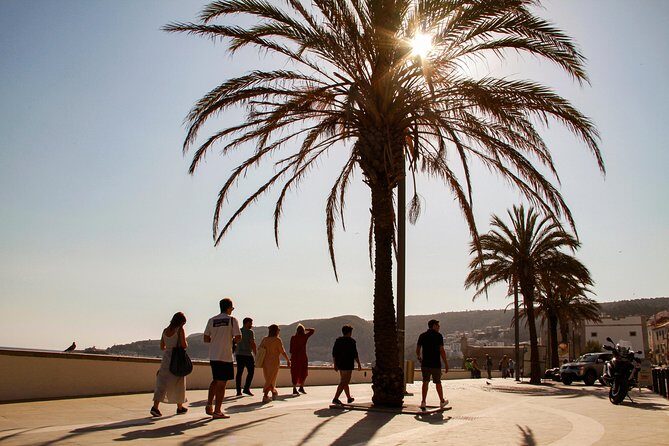
This tour is short on paper and just right in real life. You’re out for about 2 hours, and it’s designed as a loop that keeps you seeing the “why” behind the town while still giving you time to enjoy the “what.” Think: sea history, town squares, and a couple of food stops that actually fit the story.
With a small group (max 12), the guide can steer you around the streets without turning it into a slow-moving line. And because it includes tastings, you’re not just collecting photos—you’re collecting flavors too.
You can also read our reviews of more tours and experiences in Sesimbra.



Meet at Santiago’s Fortress: the best “start with context” move
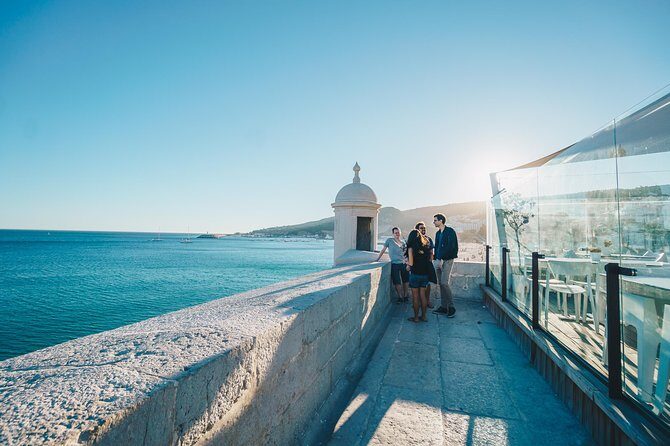
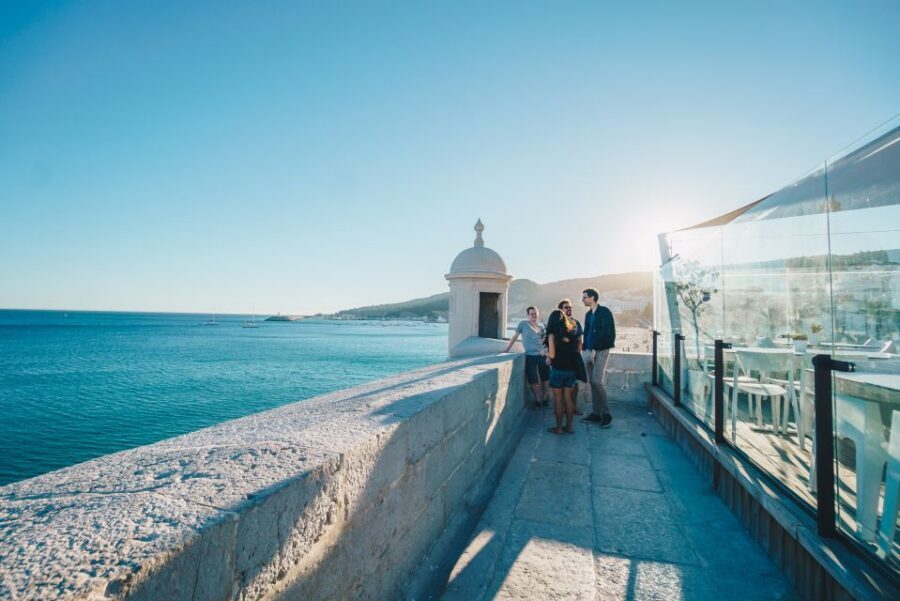
You begin inside Santiago’s Fortress, right by the tourism office at R. da Fortaleza 43. Starting in a fortress sounds dramatic, but it’s useful. You get a natural point for the guide to explain how Sesimbra grew, where the coastline shaped daily life, and why certain spots matter.
The first chunk of the tour includes time for a viewpoint stop (about 20 minutes). This is where the guide typically helps you lock in the geography—so later, when you’re strolling streets and squares, you can actually orient yourself without guessing. If you like arriving in a town already knowing what you’re looking at, this is a smart opening.
Sesimbra’s sea history, from 1165 to the present day
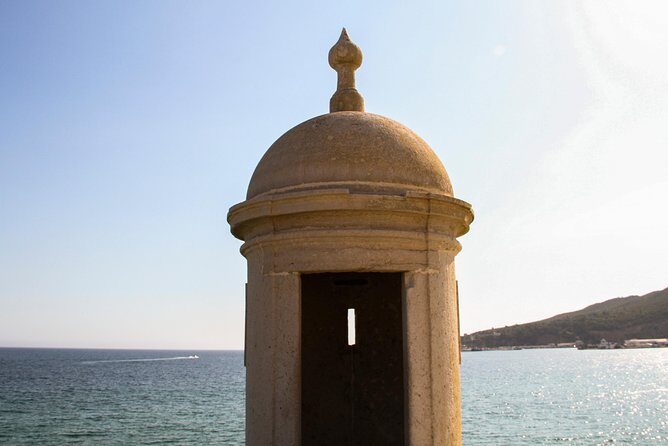
After the initial orientation, you move through the older parts of Sesimbra and the guide connects the town’s identity to its founding era. The tour specifically highlights how the fishing village changed since it was linked to Portugal’s first king, D. Afonso Henriques, in 1165.
That date does more than sound historical. It helps you understand why the town’s layout, culture, and daily rhythm are still shaped by the sea. Sesimbra isn’t presented as a random beach town; it’s framed as a working community whose identity formed early and kept evolving.
25 de Abril Avenue: old photos that make time feel closer

One of the more memorable parts of this walk is the stop at 25 de Abril Avenue. The guide pauses to explain the importance of that date in Portuguese history, then you slow down long enough to look at old photographs of the avenue in the 20th century.
This is one of those “wow, now I get it” moments. When you’re shown images from another era, you start noticing the relationship between street life and the waterfront—where people worked, where boats used to be, and how the beach and waterfront feel in hindsight compared with today.
If you’re the type who likes history but doesn’t want a lecture, this section hits a good balance. It’s visual, it’s placed in real surroundings, and it helps the rest of the tour click into place.
A sweet stop: Farinha Torrada where it matters
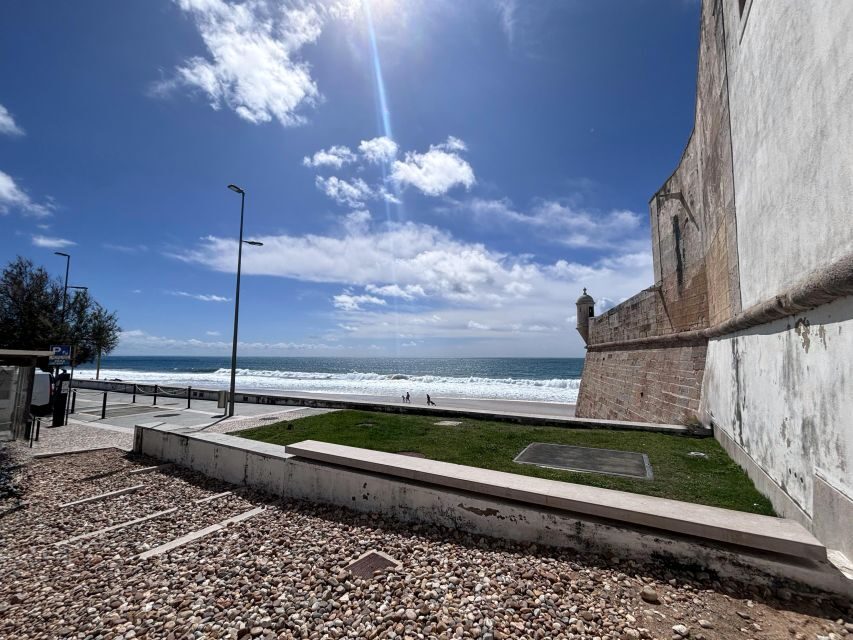
As you walk toward the village center, the tour includes a pastry break designed around local taste. You stop in front of a famous pastry shop and try Farinha Torrada, a typical sweet from Sesimbra.
I like that this isn’t treated like a random snack. It’s positioned as part of how the town lives—something you can only really understand by trying it. Even if you’re not a big sweets person, the Farinha Torrada moment is short and gives you a clear local flavor to remember later.
There’s also a brief break built in (about 10 minutes in the schedule), so you don’t feel like you’re rushing from one taste to the next.




Village squares and the local market product moment
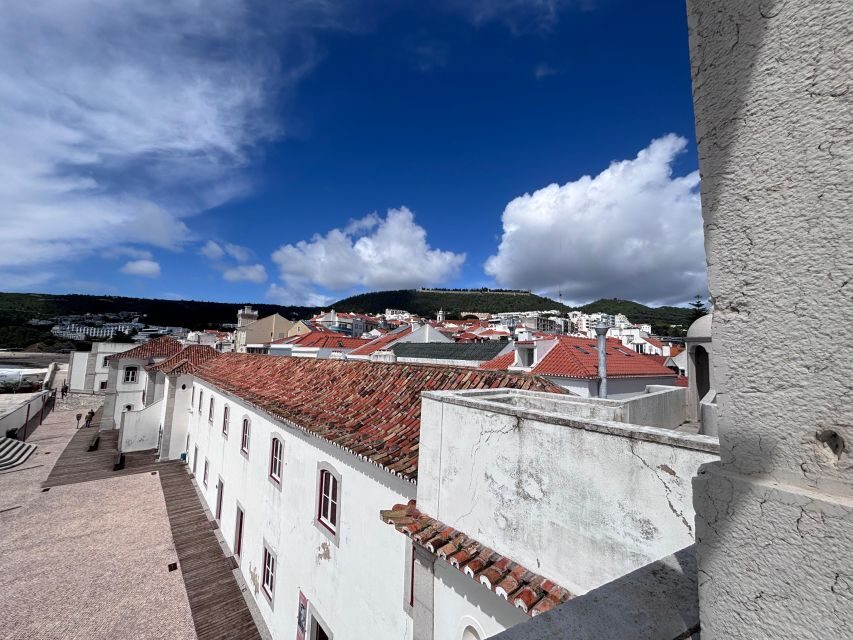
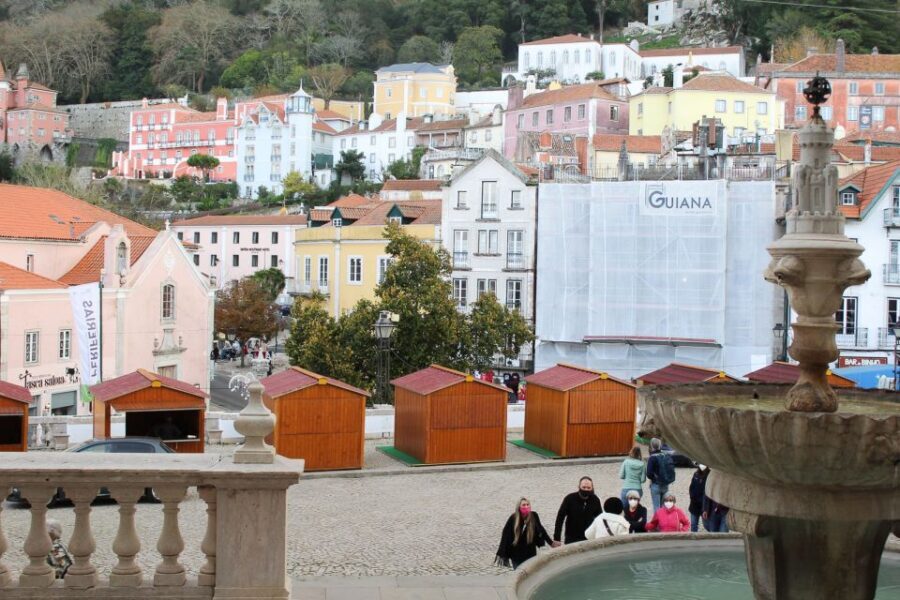
From there, you wander through the important squares in the village center and you get a look at local market products. This part is valuable because markets show you what locals buy, not what shops sell to tourists.
The tour schedule includes a short market-facing stop (about 5 minutes). It may not sound long, but it works as a quick snapshot: enough time to see the goods, ask a question, and absorb the everyday vibe, without derailing the flow of the walk.
If you’re planning to eat well after the tour, this market glimpse helps you understand what to look for. You come away knowing what kinds of products belong in Sesimbra’s everyday life.
Marinha Square and the fish auction in the sand
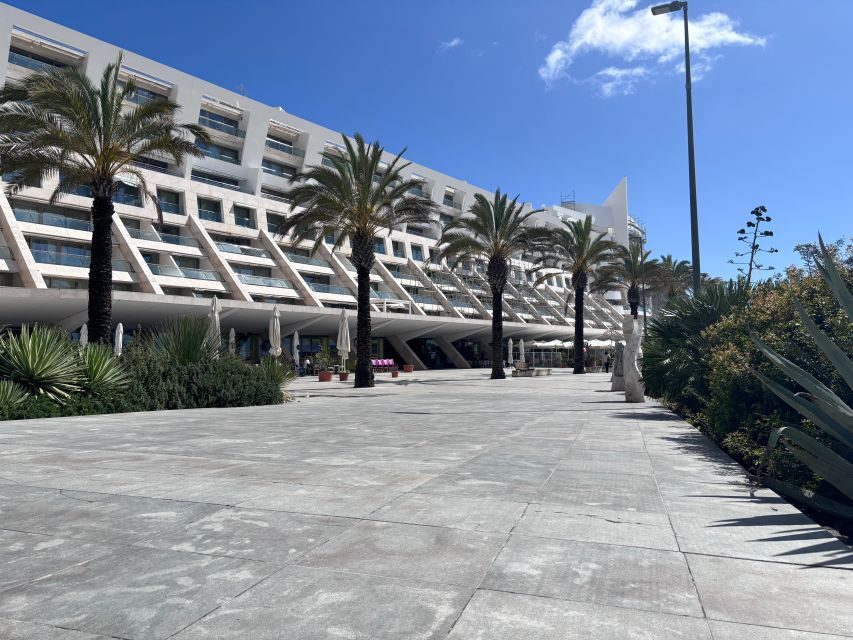
Then comes a standout story at Marinha Square. The guide explains a striking local feature that lasted until the 1970s: the fish auction on the sand.
That detail gives you a powerful mental image. It’s not just “people fished.” It’s how the entire commercial life of the town connected directly to the beach space. When you’re later near the waterfront, you start seeing it differently—like the sea wasn’t just scenery, it was part of the marketplace.
This is also where the tour starts leaning more into the town’s physical layers. You’ll observe monuments from the 15th and 16th centuries, which helps ground the earlier history and keeps you from thinking of Sesimbra as only modern-day seaside.
Late-19th-century wine and cheese tasting: history in your glass
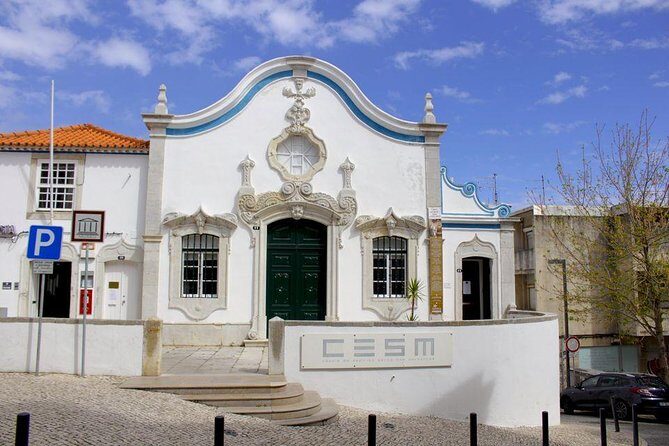
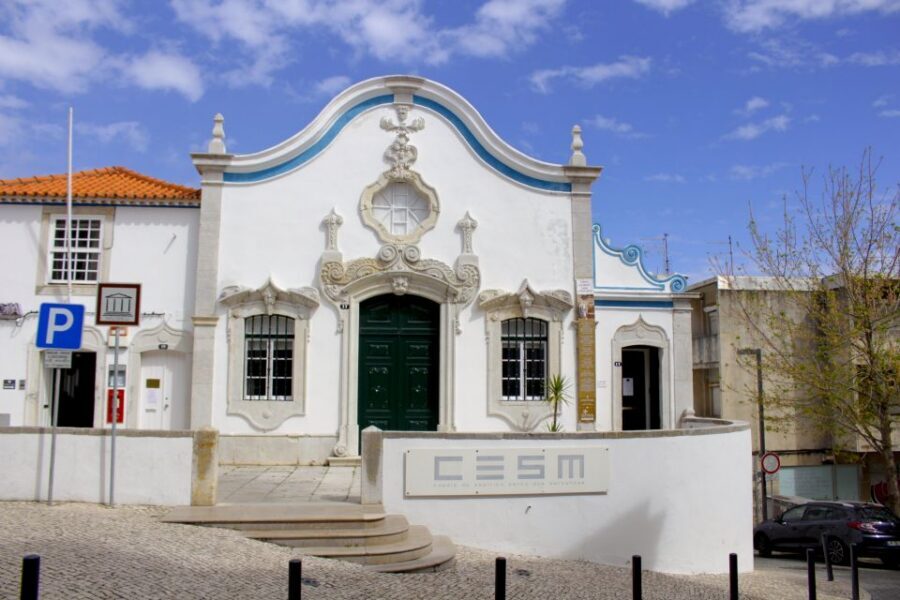
After the monument and square time, the tour moves you into a late-19th-century building for tasting. You’ll try regional wine and cheese, which is included in the tour price.
This is one of the most practical ways to experience food during limited time. Because you’re tasting while still in “tour mode,” the guide can connect what you’re eating and drinking to the region rather than just handing you samples.
Also, this stop gives you a breather. After walking, standing, and looking at photos, sitting for tasting makes the rest of the route feel less like a sprint and more like a guided stroll with payoff.
Food included without turning the tour into a food tour
The tour includes three key taste moments: Farinha Torrada, then wine and cheese in the tasting stop. There’s also a pastry tasting noted as part of what you get.
What I like is that the food is integrated into the story. You’re tasting while the guide is talking about the town’s identity—sea work, local life, and the historic places that shaped it. That approach makes the food feel earned, not like a detour.
Keep an eye on timing if you have a sensitive stomach or you’re trying to pace yourself. Since tastings happen at different points, you may want water and a slow bite—not to avoid food, just to keep the walk comfortable.
Price and value: is $23 fair for what you get?
At about $23 per person for a 2-hour guided walk, the price feels fair because several things are bundled in:
- A local guide and small-group format (max 12)
- Multiple guided stops focused on history, streets, and squares
- Pastry tasting plus wine and cheese tasting included
- Time spent inside a historic setting for the tasting
If you were to price the tastings separately—plus a guide for a couple hours—you’d likely end up paying similar or more. Here, the value comes from not just seeing Sesimbra, but understanding it with guide-led context and built-in food moments.
The tour doesn’t include transportation or hotel pickup, so factor in how you’ll get to R. da Fortaleza 43. If you’re already in the old area or can walk to the fortress easily, that’s a big plus.
Best for first-timers and short attention spans (in a good way)
This tour is ideal when you want a fast orientation to Sesimbra without reading a pile of guidebooks first. You’ll get the “big picture” through dates and places like 1165 and 25 de Abril Avenue, then you’ll see how it plays out in everyday settings like squares and a market moment.
I also think it fits travelers who like food but don’t want a full-day culinary program. You get enough tasting to feel satisfied, but the walking still stays the main event.
And it’s a strong choice if you’re early in your holiday. The tour ends where it starts—back at the fortress meeting point—so you can keep exploring afterward with better bearings.
Should you book the Sesimbra Walking Tour?
If you want the kind of tour that helps you look at Sesimbra with smarter eyes, book it. The combination of small-group guiding, photo stops tied to Portuguese history, and included tastings (Farinha Torrada, wine, cheese) makes it good value for the time.
I’d skip it only if you strongly prefer independent exploring with no guide explanation, or if you’re looking for a mostly seated experience. Otherwise, this is a practical, story-forward way to understand a sea town in just two hours.
FAQ
How long is the Sesimbra Walking Tour?
The tour lasts about 2 hours.
Where does the tour start?
It starts inside Santiago’s Fortress, next to the tourism office, at R. da Fortaleza 43.
Does the tour end back at the meeting point?
Yes, the tour ends back at R. da Fortaleza 43.
How much does it cost?
It’s listed at $23 per person.
Is the tour small-group or large-group?
It’s a small-group tour with a minimum of 2 and a maximum of 12 people.
What languages are offered?
The live guide offers English and Portuguese.
What food is included?
You’ll have a pastry tasting and a wine and cheese tasting as part of the tour.
Is hotel pickup or drop-off included?
No, hotel pickup and drop-off are not included.
Is transportation to and from attractions included?
No, transportation is not included.
What’s the cancellation policy?
The experience offers free cancellation up to 24 hours in advance for a full refund.