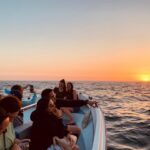
REVIEW · SESIMBRA
Arrábida – Sesimbra: Dolphin Watching
Book on GetYourGuide →Operated by ArrabidaLife · Bookable on GetYourGuide
Dolphins don’t do souvenir poses. This 2-hour boat trip off Sesimbra is about watching wild dolphins in their real habitat, then doing something useful right alongside the sea—helping spot and collect floating plastic. You also get serious coastline views inside the Arrábida Natural Park.
I especially like the route: it’s built around the Arrábida Natural Park coastline and the Sado River area where dolphins stick around year-round. I also like that you travel with a marine ecologist guide, so your dolphin spotting comes with actual conservation context, not just guesses.
One consideration: dolphin sightings can never be guaranteed, since you’re dealing with wild animals and conditions at sea.
In This Review
- Quick take: what you’ll remember
- Sesimbra to the Sado Estuary: what makes this dolphin trip special
- The boat route: Arrábida coastline views you’ll actually enjoy
- Dolphins in the right habitat, not a staged performance
- Helping collect plastic at sea: how the conservation part works
- The marine ecologist guide: what you’ll learn on the move
- Itinerary rhythm: how the 2 hours likely feels
- What’s included (and the comfort items that matter)
- Price and value: is $58 reasonable for 2 hours?
- What to bring, what not to do, and the small rules that help
- Who this tour fits best
- Book it or skip it? My decision guide
- FAQ
- How long is the Arrábida to Sesimbra dolphin watching tour?
- How much does the tour cost?
- What’s included in the price?
- Will we definitely see dolphins?
- Do we help collect plastic floating in the ocean?
- What should I bring?
- Is the tour suitable for small children?
Quick take: what you’ll remember
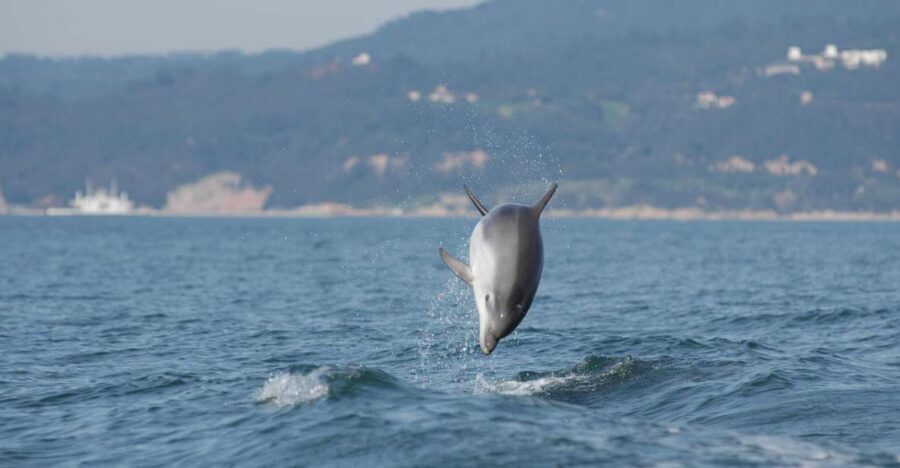
- High dolphin-spotting success (about 98%) thanks to the local partner’s experience
- Arrábida Natural Park coast + Sado estuary focus where dolphins live year-round
- Hands-on sea plastic collection that supports a positive environmental impact
- Marine ecologist-led conservation lessons tied to what you see
- Time on the water with real sighting opportunities, not a rushed drive-by
- Comfort extras included like lifejacket, water, and farinha torrada
Sesimbra to the Sado Estuary: what makes this dolphin trip special
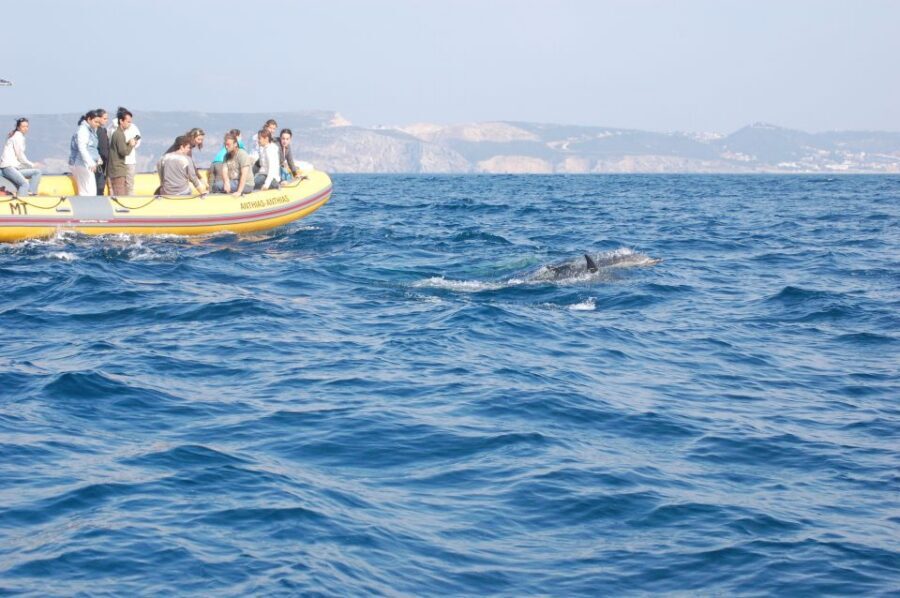
This is not a sit-and-hope kind of tour. You leave from Sesimbra by boat, then head along the coastline with a marine ecologist who knows how to read the water and where dolphins tend to show up. The best part is that the outing isn’t only about spotting animals—it’s also about supporting the local conservation story.
The trip is built around two connected ideas. First, you cruise along the Arrábida Natural Park coast, where the scenery is part of the experience. Second, you concentrate on the Sado River estuary, a key area for dolphin conservation where dolphins live all year round. That year-round presence is a big deal, because it means you’re not just chasing a seasonal rumor.
Then there’s the environmental side: during the cruise, you help locate and collect harmful plastic floating in the ocean. That turns the experience from passive nature-watching into active stewardship, which I always appreciate.
You can also read our reviews of more dolphin watching tours in Sesimbra
The boat route: Arrábida coastline views you’ll actually enjoy
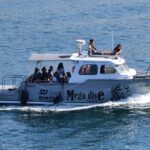
The timing is tight—in a good way. With just 2 hours, the tour keeps moving and makes sure you spend your time where the action is likely to happen: along the park coastline, up toward the Sado River region. You’re not stuck listening to explanations from a dock with nothing in sight.
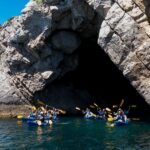
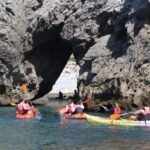
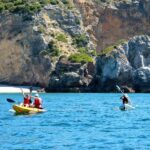
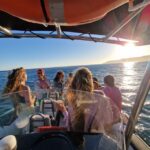
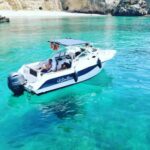
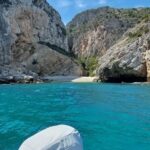
The scenery along this stretch of Portugal is a major bonus. You’ll see the coastline of the Arrábida Natural Park from the water, which tends to feel more dramatic and immediate than looking from land. Even if dolphins were quiet (it happens sometimes), the views are still worth the boat time.
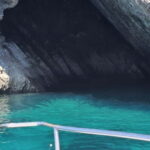
You may also notice that the experience sometimes includes a quick sidetrack toward coastal features like caves. One guest specifically called out a stop near caves, which suggests it’s not unheard of on certain outings. Just don’t treat that as guaranteed—think of it as a possible extra rather than the main event.
Practical note: this is an on-the-water activity, so wear clothes you’re happy to get a little salty and bring a hat. The “short trip” rhythm means you’ll feel the sun faster than you think.
Dolphins in the right habitat, not a staged performance
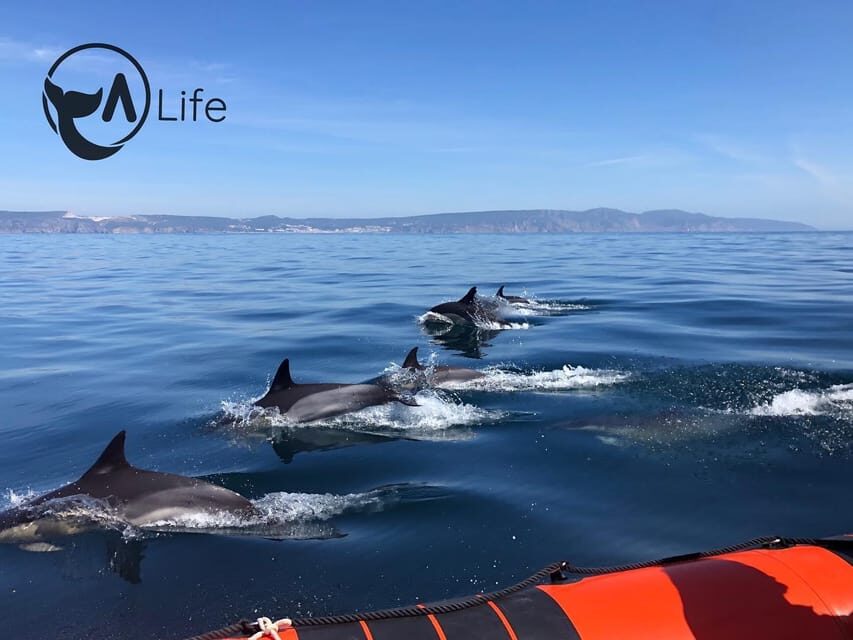
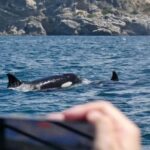
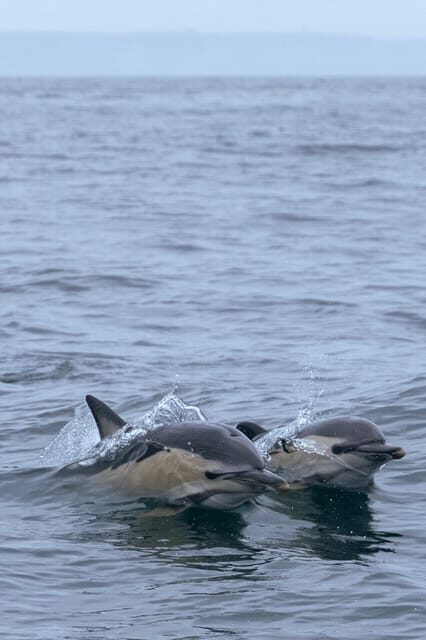
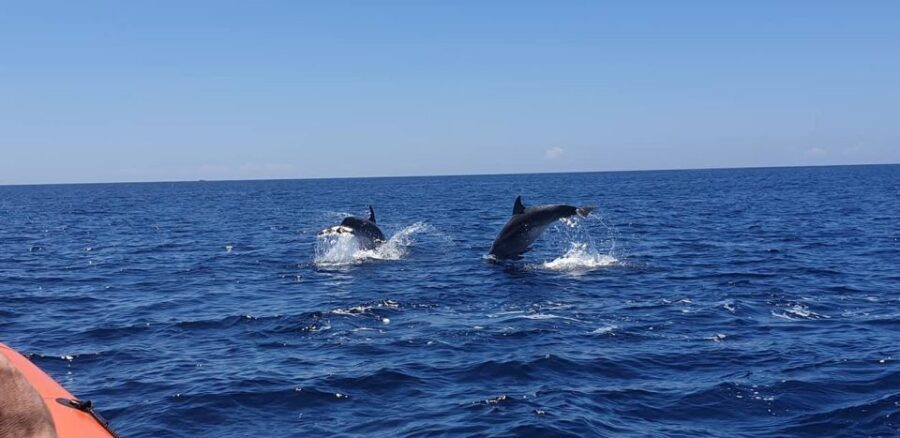
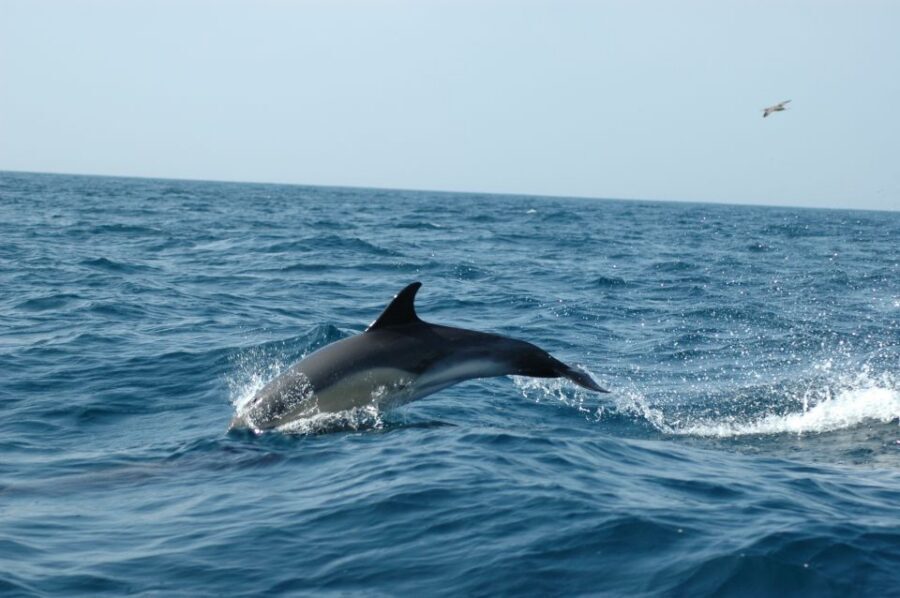
The tour is focused on wild dolphin species you can realistically find in this area: common dolphins and bottlenose dolphins. You’re also in a part of the coast where bottlenose dolphins live in the Sado River estuary area year-round, which is exactly the kind of local detail that separates a real wildlife trip from a generic one.
Here’s what I like about this approach: you’re not being sold on a promise like you’d see a themed show. Instead, the partner’s success rate is high (around 98%), and you get a guide who’s trained to help you spot the animals efficiently. That matters because dolphin viewing is fast and fleeting—one moment they’re there, the next they’re gone, and you only get one shot at good viewing angles.
What you can realistically expect:
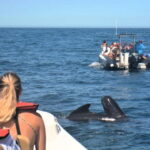
- Dolphins may appear close to the boat at times, giving you a better chance to see their behavior clearly.
- The sightings can involve both single animals and groups, depending on what’s happening that day.
- You’re also likely to spot other marine life while you cruise.
If you’re the type who loves animals but hates disappointment, go in with the right mindset: you’re joining an expert search in the dolphins’ home range, not signing up for a sure thing. The tour’s local odds are strong, but the animals stay wild for a reason.
Helping collect plastic at sea: how the conservation part works
This is one of the most genuinely meaningful parts of the tour. While you’re out on the water, you help locate and collect harmful plastic floating in the ocean. It’s not just a lecture about pollution—you’re participating in cleanup actions during the experience.
This matters for two reasons. First, plastic floating on the surface is easy for marine life to encounter. Second, even small efforts can create a visible, tangible result: you leave the boat knowing you actively reduced trash in the area you just explored.
Safety and rules are part of the deal. You won’t be allowed to litter, and you won’t be allowed to touch marine life. That keeps the experience respectful for the animals and safer for you. You should also listen carefully to your marine ecologist guide about what to do and where to focus your attention.
If you want a feel-good factor with substance, this is it. It also makes the experience more memorable because your actions connect directly to the marine environment you’re observing.
The marine ecologist guide: what you’ll learn on the move
A key reason this tour feels more thoughtful is the guide role: a marine ecologist is responsible for the activity. That translates into learning that’s tied to real field knowledge—why the estuary matters, how dolphins use these waters, and what conservation efforts are trying to protect.
Instead of a generic narration, expect explanations that connect to the moment you’re watching. When dolphins show up (or when you’re searching), the guide can help you understand behaviors and habitat preferences. And because the Sado estuary is highlighted as a prime conservation point, you’ll likely get practical context for why dolphins live there all year.
One more value point: the guide helps you spot what’s happening fast. Dolphin viewing is all about timing and angles, and having someone who can guide your attention makes a big difference.
The general vibe from guests is that the guides are friendly and competent. I’d bet you’ll feel taken care of, not rushed, especially during the spotting and cleanup parts.
Itinerary rhythm: how the 2 hours likely feels
The whole experience runs for 2 hours, and that shape influences everything. You start from Sesimbra by boat, then you spend the session actively scanning for dolphins and other marine species. The focus stays on the Arrábida Natural Park coastline up toward the Sado River area.
Here’s the flow you should expect:
- Departure from Sesimbra with equipment and a quick setup.
- Search and scan time for common and bottlenose dolphins, plus other marine sightings.
- Cruising the coastline inside Arrábida Natural Park, keeping your eyes on the water for activity.
- Time near the estuary, since the Sado River estuary is a year-round conservation area for dolphins.
- Plastic spotting/collection activity while you’re out there, so the trip blends wildlife with cleanup.
Because it’s a short tour, you won’t get long stretches of sitting around. That’s good if you hate wasting time. Just remember: with dolphins, the best sightings depend on how the animals behave that day. You’re there long enough for real chances, but not so long that conditions drag out.
What’s included (and the comfort items that matter)
For about $58 per person, you’re getting a wildlife-focused boat outing with conservation elements, plus a few comfort basics that make a difference on the water.
Included:
- Insurance
- A marine ecologist guide
- Lifejacket
- Water
- A taste of the region’s typical cake, farinha torrada
Not included:
- Food and beverages beyond what’s specified
I like that water is included—simple, but it removes one small hassle when you’re out for only 2 hours. The lifejacket is also a reassuring baseline. And the farinha torrada taste is a small cultural touch that doesn’t overcomplicate the experience.
Plan to bring any snacks you might want, or eat before you go. Since meals aren’t included, don’t count on this being a full “day tour.”
Price and value: is $58 reasonable for 2 hours?
$58 for a 2-hour boat-and-ecologist experience is the kind of price that’s worth evaluating based on what’s included and what you’re actually buying.
You’re paying for:
- A guided search led by a marine ecologist (not just a captain making announcements)
- Access to the dolphin-heavy waters of the Arrábida/Sado area
- Included safety basics like a lifejacket and insurance
- A conservation activity (plastic collection) built into the outing
- Included water and a small regional food taste
For a short trip, that’s a lot of value packed in. You’re not paying extra for the guide or basic boat necessities, and you’re getting an experience that includes both wildlife observation and a cleanup action. If you’re the type who wants your money to go beyond photos, this matters.
Where the value can feel lower is if you show up on a day when dolphins stay quiet. That’s not “bad luck” you can blame on the operator—it’s the nature of wild animals. Still, with a reported success rate around 98%, it’s an educated risk rather than a leap of faith.
What to bring, what not to do, and the small rules that help
This tour is straightforward, but a few items make it a lot more comfortable.
Bring:
- Comfortable shoes
- A hat
- Sunscreen
- Comfortable clothes
Rules:
- No littering
- No touching marine life
I also recommend you dress for sun and sea air. Even on a short outing, you’ll spend enough time exposed that sunscreen and a hat are not optional. Comfortable shoes help because you’re moving around before and after boarding.
If you’re prone to feeling seasick, consider bringing your usual remedy. The tour duration is short, so you’re not signing up for hours of discomfort, but motion is still motion.
Who this tour fits best
This dolphin watching trip is a strong match if you:
- Want real wildlife time in the dolphin’s home range
- Care about marine conservation and like the idea of hands-on help
- Enjoy boat views and want Arrábida Natural Park scenery from the water
- Prefer guided learning over “just look and guess”
It’s not for every body type or schedule. It’s also not suitable for children under 2 years. Beyond that, if you’re okay with being on the water for 2 hours and following conservation rules (no touching, no littering), you’ll likely enjoy it.
It also suits couples, solo travelers, and small groups who want a focused experience without needing a full day plan.
Book it or skip it? My decision guide
If your top priority is a dolphin encounter with a guide who knows what they’re doing, I’d book this. The high spotting success rate (around 98%), the focus on the Arrábida/Sado year-round dolphin area, and the fact that you help collect floating plastic make it feel like a responsible, well-designed outing.
Skip it only if you’re the type who needs a 100% sighting guarantee. Wild animals don’t follow your itinerary. Or if you hate being on boats, even short ones.
If you want a practical edge, pick a day when you’ll be okay with a bit of unpredictability and you’ll still enjoy the scenery and the conservation component. That’s when this tour hits its stride.
FAQ
How long is the Arrábida to Sesimbra dolphin watching tour?
The tour lasts 2 hours.
How much does the tour cost?
It costs $58 per person.
What’s included in the price?
It includes insurance, a marine ecologist guide, a lifejacket, water, and a taste of farinha torrada.
Will we definitely see dolphins?
No. Dolphins are wild animals in their natural habitat, so sightings cannot be guaranteed 100%. The local partner has a very high success rate (about 98%) for spotting the target species.
Do we help collect plastic floating in the ocean?
Yes. Part of the experience involves helping to locate and collect plastic that pollutes the waters.
What should I bring?
Bring comfortable shoes, a hat, sunscreen, and comfortable clothes.
Is the tour suitable for small children?
It is not suitable for children under 2 years.