REVIEW · SESIMBRA
Sesimbra: Sesimbra and Espichel Grotto Tour
Book on GetYourGuide →Operated by Bolhas Tours · Bookable on GetYourGuide
Caves and geology feel personal here. This Sesimbra to Espichel boat trip mixes famous grotto stops with real marine-park scenery, and I love how the route targets named formations like the Tamboril Grotto and the Arco da Pombeira. The one practical catch: with a total duration of about 2.5 hours, you’re seeing a lot in a short window, so there’s less time to linger than on longer sea tours.
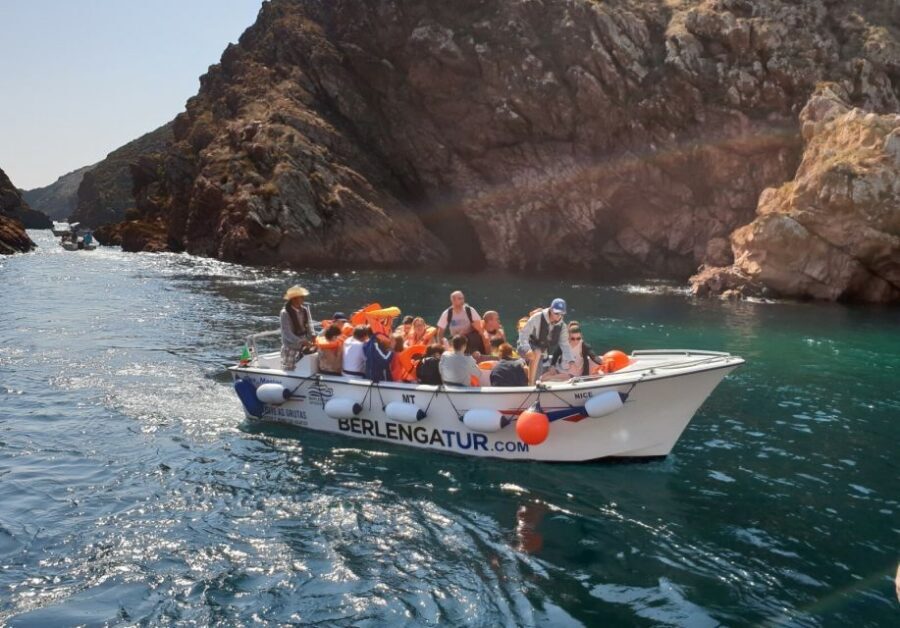
You also get a guide, a safety briefing, and the basics for water time (mask and snorkel plus water). The boat ride itself is the star, especially if you like coastal spots you can only really understand from offshore—then you finish with a chance for swim or snorkel at Baleeira Bay.
If you’re the type who needs a slow pace or lots of flexibility for long breaks, plan for this to feel structured. It’s a “see it, learn it, experience it” tour rather than a flexible wandering day.
In This Review
- Key highlights to know before you go
- Why this Sesimbra–Espichel coast works so well from a boat
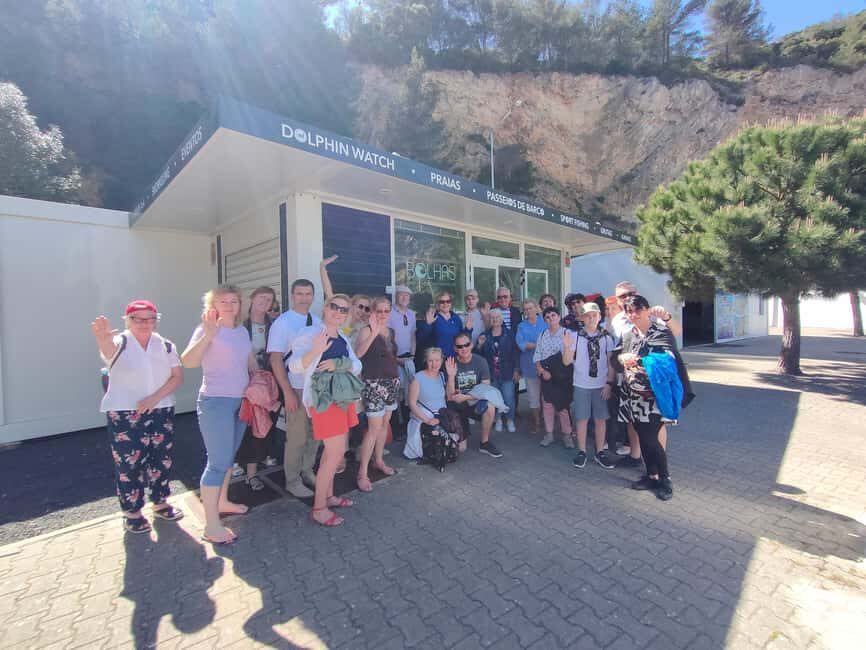
- Meeting at Bolhas Tours and getting oriented fast
- Tamboril Grotto: the stop where the light does the talking
- Frade Grotto entrance and Mesas: bigger scale, calmer pace
- The “Bifa” moment at the cape’s feet
- Sesimbra Caves and the Arco da Pombeira
- Short beach and photo breaks that help you reset
- Baleeira Bay: swim or snorkel in clear protected water
- What the tour includes, and what you should bring
- Price and value: is $62 worth it for 2.5 hours?
- Who this tour suits best
- Should you book the Sesimbra and Espichel Grotto Tour?
- FAQ
- FAQ
- Where do I meet for the Sesimbra and Espichel Grotto Tour?
- How long is the tour?
- What’s included in the price?
- What languages does the guide speak?
- Which grotto formations will I see?
- Will I have time to swim or snorkel?
- Is the tour wheelchair accessible?
- Is snorkeling equipment provided?
- What’s the tour like at the start?
- Can I get a refund if I change plans?
Key highlights to know before you go
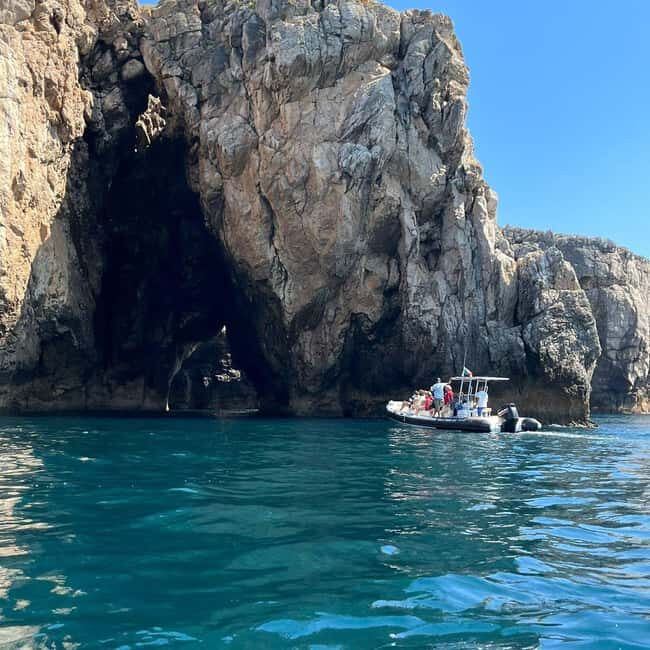
- Tamboril Grotto with zenithal light: the light-in-the-water effect is the headliner.
- Frade Grotto entrance and major cave scale: a bigger formation you view from close range.
- Bifa at the cape’s feet: a standout geological feature that looks like the sea is pushed out like a geyser.
- Sesimbra Caves and Arco da Pombeira: a monumental arco-style grotto moment.
- Luis Saldanha Marine Park coast: protected waters with sealife-friendly timing.
- Baleeira Bay swim or snorkel option: clear water access by boat, not just from the shore.
Why this Sesimbra–Espichel coast works so well from a boat
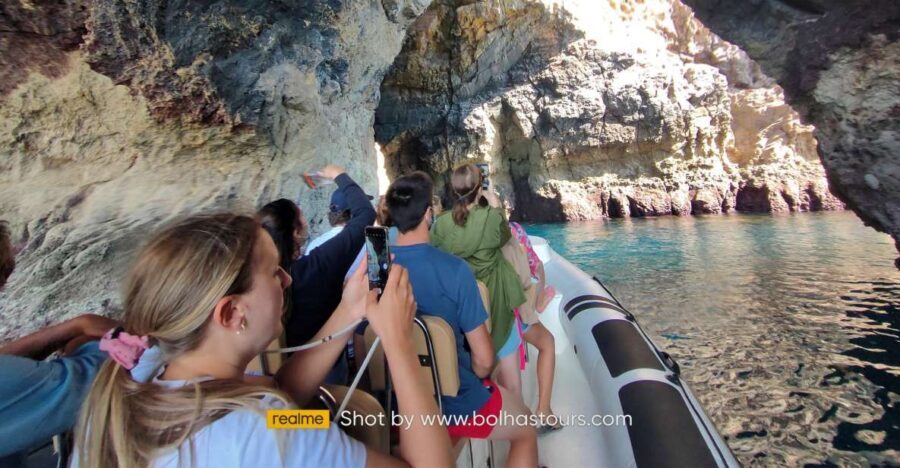
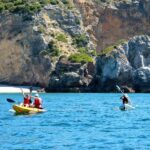
Sesimbra has a laid-back seaside feel, but the coast around Espichel reads differently when you’re on the water. The tour’s whole point is to move you along the Luis Saldanha Marine Park coastline so you can connect the dots between caves, openings, limestone shapes, and the way erosion created the coastline over time.
I like that the experience isn’t just “ride and hope.” It’s built around named formations and specific viewpoints: you’re not guessing what you’re looking at. Once the guide frames each stop—Tamboril first, then Frade, then the Sesimbra cave set—your eyes start finding the same patterns the coastline is famous for.
And yes, the setting is made for short, focused exploration. You get the best parts of the coast in one go, without needing to plan a full day of driving plus separate walking routes.
You can also read our reviews of more tours and experiences in Sesimbra.
Meeting at Bolhas Tours and getting oriented fast
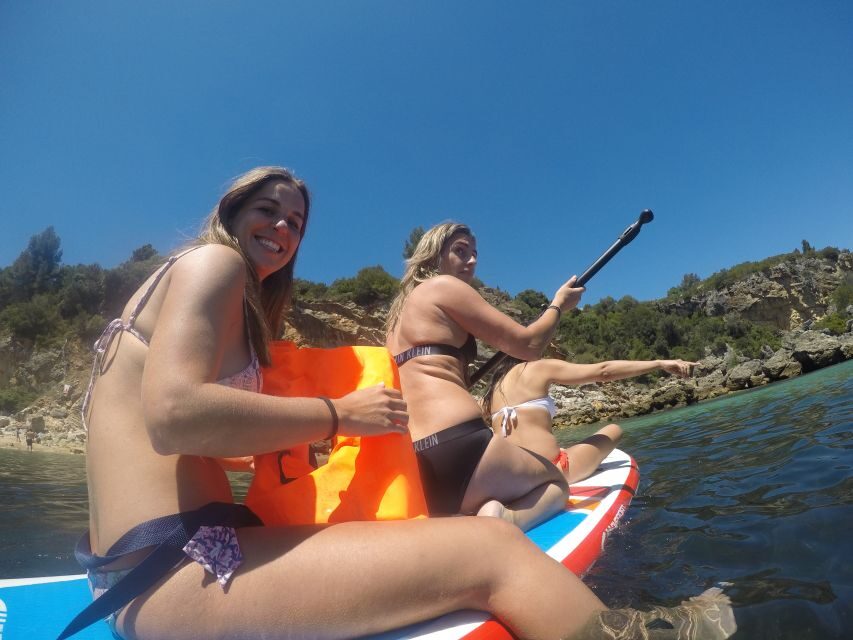
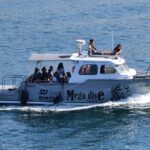
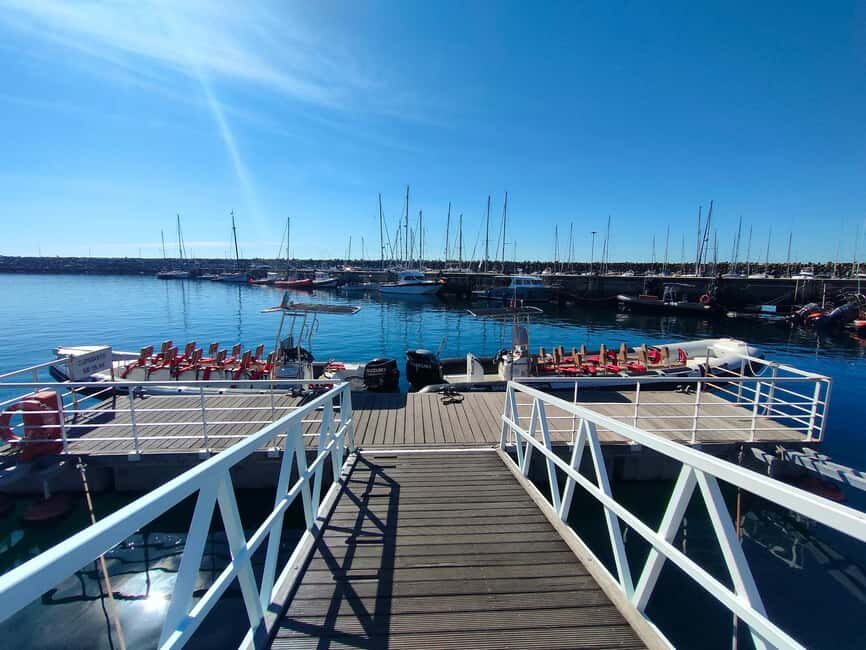
The tour starts at Bolhas Tours, and you head out after a safety briefing that runs about 15 minutes. That matters more than it sounds, because you’ll be on a small timeline and you’ll want to feel comfortable with how the boat moves, where to sit, and how water-and-cave viewing works.
You’ll then transition into cruising time—about 20 minutes—before you move into the first beach-and-view moments along the way. Even if you don’t care about the “technical” part of boating, the early briefing helps you relax, look around, and stop thinking about logistics.
Another small but useful touch: you get a local Moscatel wine welcome drink, plus water during the tour. It’s not a long party vibe, but it does make the start feel warm and local instead of strictly procedural.
Tamboril Grotto: the stop where the light does the talking
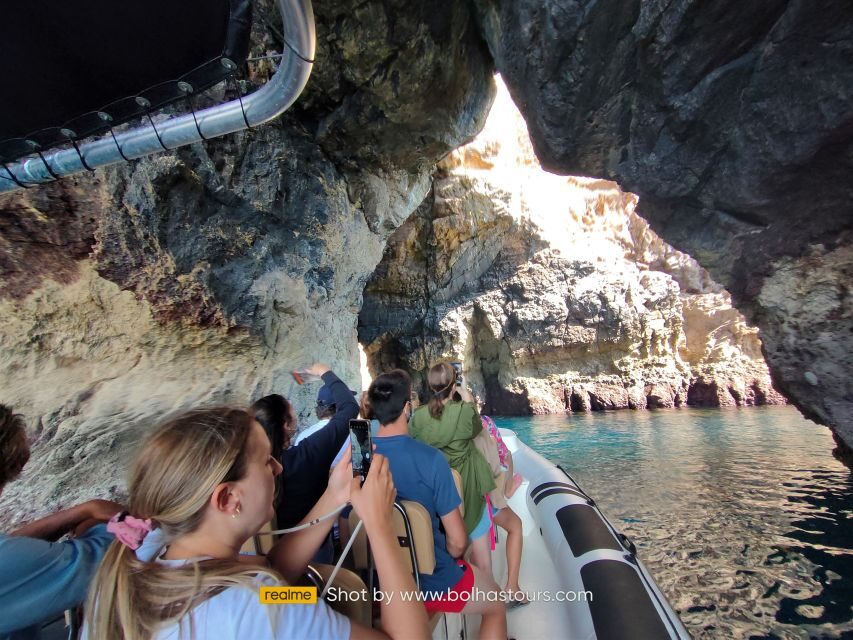
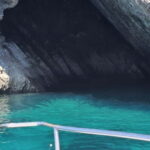
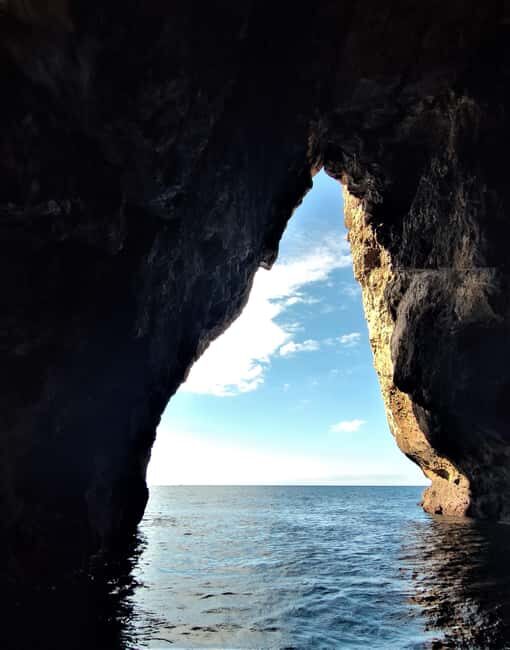
The Tamboril Grotto is where the tour earns its hype. You’re guided to a section where the light comes in from above—described as zenithal lighting—so the water inside looks unusually clear and bright compared to open sea.
What I like about this stop is that it’s visual in a way you can’t fully fake with a photo. The combination of cave opening, light angle, and crystal-clear water makes your brain go quiet for a second. Even if you’ve seen caves in other countries, this one feels tuned to show off a specific effect.
Practical tip: bring a phone camera, but also take a moment to look without it. The best “aha” comes from watching how the light shifts as the boat position changes.
Frade Grotto entrance and Mesas: bigger scale, calmer pace
After Tamboril, the itinerary shifts to the entrance of the Frade Grotto, one of the biggest cave formations in the area. That scale is the point. Instead of one tight “wow” opening, you’re seeing a larger structure—something you can sense in the way the coastline folds and the cave edges shape the view.
Right around this phase, you’ll also encounter Mesas, geological formations created by marine erosion. “Mesa” might sound abstract, but from the sea it’s easy to understand: you’re basically looking at erosion steps and flat-topped shapes carved by water over time.
This is the part where the guide’s explanations really matter. The more the guide connects these shapes to how the sea has worked on the rock, the more the cave viewing becomes a geology lesson you can actually see.
The “Bifa” moment at the cape’s feet
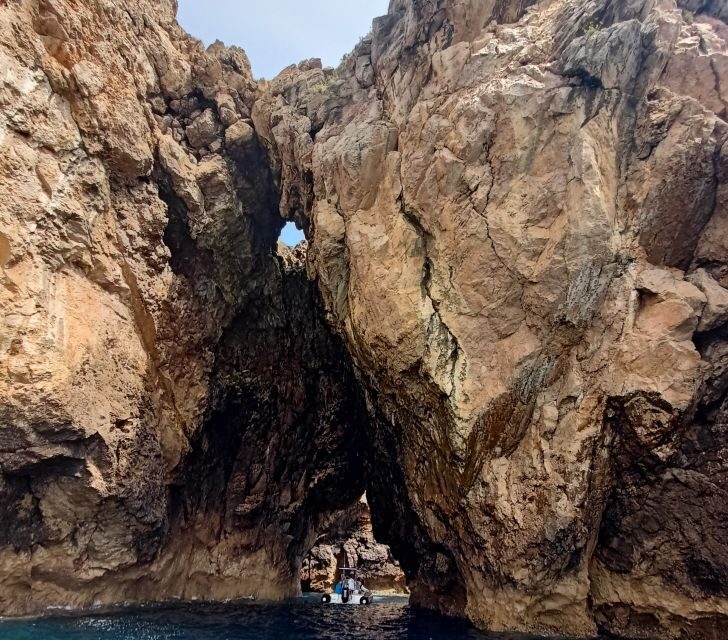
Then comes a signature formation: Bifa, described as a singular geological feature at the cape’s feet where you can see the sea expelled like a geyser. This is the kind of detail that’s hard to grasp until you’re standing in the right spot watching it happen from the boat.
I recommend approaching this stop with curiosity rather than skepticism. If you go expecting a movie trick, you’ll miss what’s cool: it’s a real interaction between water movement and rock structure. Even if the exact effect varies by conditions, it’s still a memorable “wait, look at that” point in the tour.
If you’re traveling with kids or friends who like photos, this is often the best “instant reaction” moment of the day.

Sesimbra Caves and the Arco da Pombeira
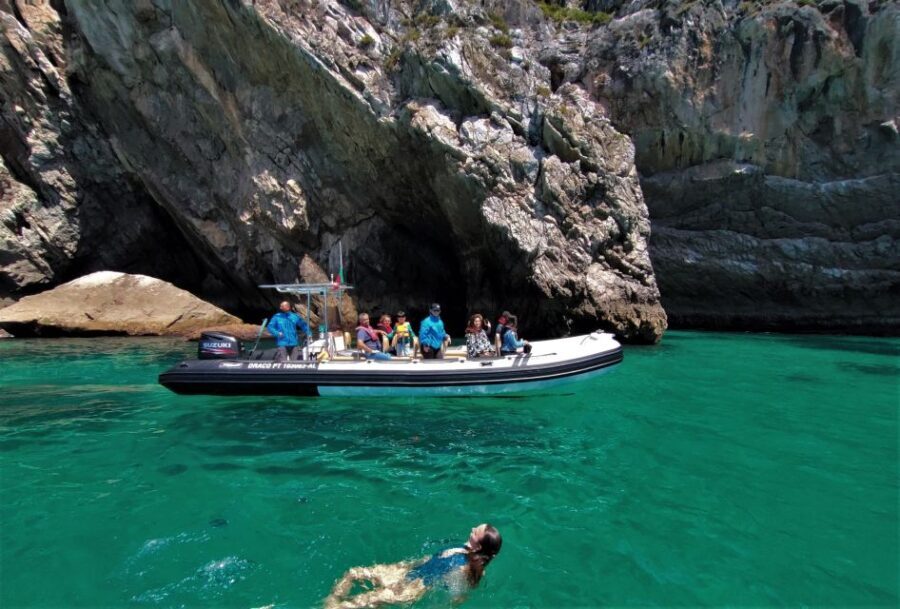
On the return half, the tour turns back toward Sesimbra’s cave area and highlights the Arco da Pombeira Grotto, described as monumental. An arched opening like this changes how you view everything around it. Your eyes naturally follow the arc, and it’s easier to picture how erosion and pressure shaped the openings over time.
This is also where the tour feels most like a complete circle: you started with one cave identity (Tamboril), you saw larger-scale formations (Frade), and now you’re finishing with Sesimbra’s standout arco structure and its surrounding limestone geometry.
If you love coastal architecture made by nature, don’t rush this part. Even though the timing is tight, it’s one of the best chances to really “read” the coastline in one continuous sequence.
Short beach and photo breaks that help you reset
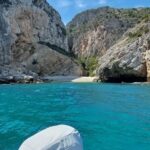
Between the main cave stops, the itinerary includes brief view moments. You’ll have a stop at Ribeiro do Cavalo Beach (about 10 minutes), plus additional photo stops along the way and scenic views from the boat.
These breaks are useful because they give your eyes a change of pace. After focusing on cave openings and water effects, stepping onto a beach viewpoint—even briefly—helps you reorient. It also makes it easier to compare what you saw at sea to how the coastline looks from nearby.
If you’re sensitive to sun and glare, use these stops to get water, adjust sunglasses, and wipe salt spray off your lens. The caves look great, but they can be bright and reflective.
Baleeira Bay: swim or snorkel in clear protected water
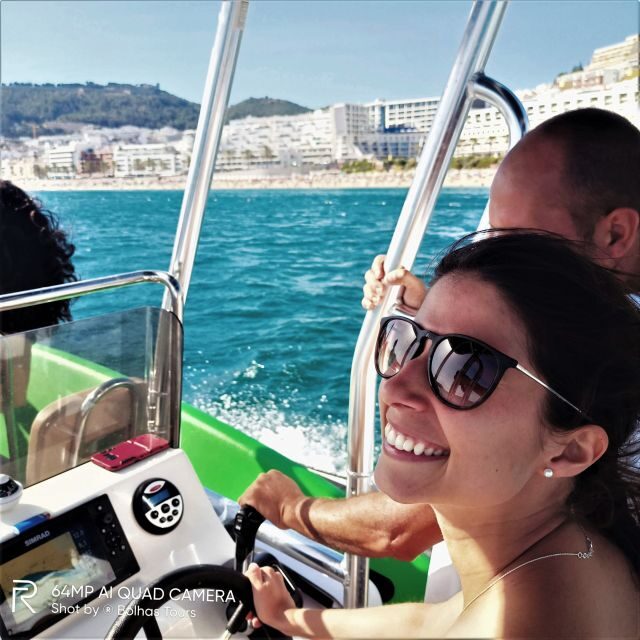
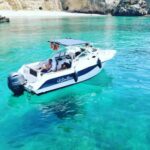
The final “experience” component is the option to spend time at Baleeira Bay in clear waters. This access is specifically framed as something you can do from the boat, which matters because not every coastline setup is equally convenient for short water time.
You’re provided snorkeling equipment (mask and snorkel). That’s a big value point. You don’t need to hunt for gear in advance, and you can focus on enjoying the protected maritime environment.
What should you do once you’re in the water? Keep it simple:
- Swim at an easy pace and watch the water close to the surface.
- Take your time adjusting your breathing with the snorkel.
- Let the guide point out any areas of interest before you start moving around.
The highlights mention sealife and a protected maritime park feel. You’re not signing up for a long underwater expedition—this is short and scenic. But that’s also what makes it a nice add-on after the cave viewing.
What the tour includes, and what you should bring
Included:
- Boat rental with crew
- Insurance for all participants
- Guide and welcome drink (local Moscatel wine)
- Water
- Snorkeling equipment: mask and snorkel
- Live guide in English, French, Spanish, and Portuguese
- Wheelchair accessible
What to bring:
- Swimwear if you plan to go into the water
- A light layer for boat wind and sun
- Sunscreen and sunglasses (caves and sea glare are real)
- A small towel or dry clothes for after the swim
You won’t need to bring your own snorkel gear, so the packing load is light. That’s a big part of the practical value here.
Price and value: is $62 worth it for 2.5 hours?
At $62 per person for roughly 2.5 hours, this tour sits in the “short trip with strong payoff” category. The value comes from three places:
- Named cave formations
You’re not just going somewhere scenic; you’re seeing specific features—Tamboril, Frade, Mesas, Arco da Pombeira, and Bifa—where the guide can explain what you’re looking at.
- Protected-water snorkeling access from the boat
Clear water time at Baleeira Bay is the kind of bonus that usually costs extra elsewhere. Here it’s part of the same outing, and the mask-and-snorkel gear is included.
- The guide + safety structure
A 15-minute safety briefing and a guide you can understand in multiple languages keeps the experience smooth. Even if your Spanish or French is rusty, there’s live guiding in several languages, which helps you actually follow the story of the coastline.
If you have only a couple hours in the Sesimbra area, this is a strong way to spend them. If you want a long, independent exploration day, you might prefer a slower, self-paced plan. But for a focused highlights tour, the pricing feels fair.
Who this tour suits best
This fits well if you:
- Want a high-impact outing that doesn’t eat your whole day
- Care about geology and want explanations tied to real rock features
- Prefer short water time with provided snorkeling gear
- Like coastal scenery you can only see properly from the sea
It also works nicely for groups because the route is structured: you get the same stops in order, and you’re not trying to coordinate everyone’s walking plans.
If you’re a total beginner at snorkeling, you’ll still have everything you need (mask and snorkel). Just keep your expectations aligned with the timing—this is a bonus swim, not a training course.
Should you book the Sesimbra and Espichel Grotto Tour?
Yes, I’d book it if you want a guided boat tour with real stops—Tamboril, Frade, Arco da Pombeira, and Bifa—plus a chance to swim or snorkel at Baleeira Bay with gear included. For the time you spend, the mix of named cave viewing and protected-water experience is a strong deal.
Skip it (or choose a different day plan) if you’re the type who needs long stops, lots of walking, or very flexible pacing. This one moves through several sights on purpose, and that’s part of its charm.
If you’re visiting Lisbon and want an easy way to get to the Sesimbra–Espichel coast for something hands-on, this is a smart, efficient choice.
FAQ
FAQ
Where do I meet for the Sesimbra and Espichel Grotto Tour?
You meet at Bolhas Tours. The tour also ends back at the meeting point.
How long is the tour?
The duration is about 2.5 hours (starting times vary).
What’s included in the price?
The tour includes boat rental with crew, insurance for all participants, a guide, a welcome drink (local Moscatel wine), water, and snorkeling equipment (mask and snorkel).
What languages does the guide speak?
The live guide is available in English, French, Spanish, and Portuguese.
Which grotto formations will I see?
You’ll visit the Tamboril Grotto, the entrance to the Frade Grotto, Sesimbra Caves with the Arco da Pombeira Grotto, and you’ll encounter Bifa and other limestone formations like Mesas.
Will I have time to swim or snorkel?
You’ll have an option to stop at Baleeira Bay for swim or snorkel in clear protected waters.
Is the tour wheelchair accessible?
Yes, the tour is wheelchair accessible.
Is snorkeling equipment provided?
Yes. You get a mask and snorkel.
What’s the tour like at the start?
It begins with a safety briefing (about 15 minutes) before you head out on the sightseeing cruise.
Can I get a refund if I change plans?
Free cancellation is available up to 24 hours in advance for a full refund.