REVIEW · PENICHE
Peniche: Surf Class for All Levels
Book on GetYourGuide →Operated by Baleal Surf Camp - Peniche, Portugal · Bookable on GetYourGuide
Surfing in Peniche is a fast way to feel the Atlantic.
This short class focuses on real basics on real waves, with a licensed instructor and enough coaching structure to match beginners and advanced surfers alike. I like that you do not just get one board and a quick lesson; you also get to try different board sizes and shapes, which is how you learn what actually works for your height, balance, and wave choice.
The potential catch is simple: a session of this length is intense. You’ll be in and out of the water, and if you’re brand-new, it can feel physically hard, especially if you get a beach that’s popular and crowded.
In This Review
- Key things I’d plan around
- A 90-Minute Crash Course in Peniche Surf
- Pick Your Level: B1 to I2 Changes the Whole Session
- The Boards and Why Trying Multiple Sizes Helps
- Peniche Waves and Local Spot-Finding
- What Happens in the Water (and Why It Feels Intense)
- Instructor Style, Patience, and the Pedro Factor
- Price and Value: Is 41 Dollars a Good Deal?
- Where This Fits Best (and Where It Might Not)
- Quick Practical Tips Before You Go
- Should You Book This Peniche Surf Class?
- FAQ
- How long is the surf class?
- What is the price per person?
- What’s included in the class?
- What surfing levels are offered?
- Does the instructor speak English?
- Is there free cancellation?
- Can I reserve and pay later?
- Do I need to indicate my surfing level?
Key things I’d plan around
- All-level structure (B1 to I2) so the coaching targets your current wave skills
- Multiple boards so you learn faster instead of fighting the wrong equipment
- Local guide spot-finding to point you toward surf that fits your level
- Gear and insurance included, so you can focus on surfing instead of logistics
- Mixed group energy is possible, which can mean more or less attention depending on who else booked
A 90-Minute Crash Course in Peniche Surf
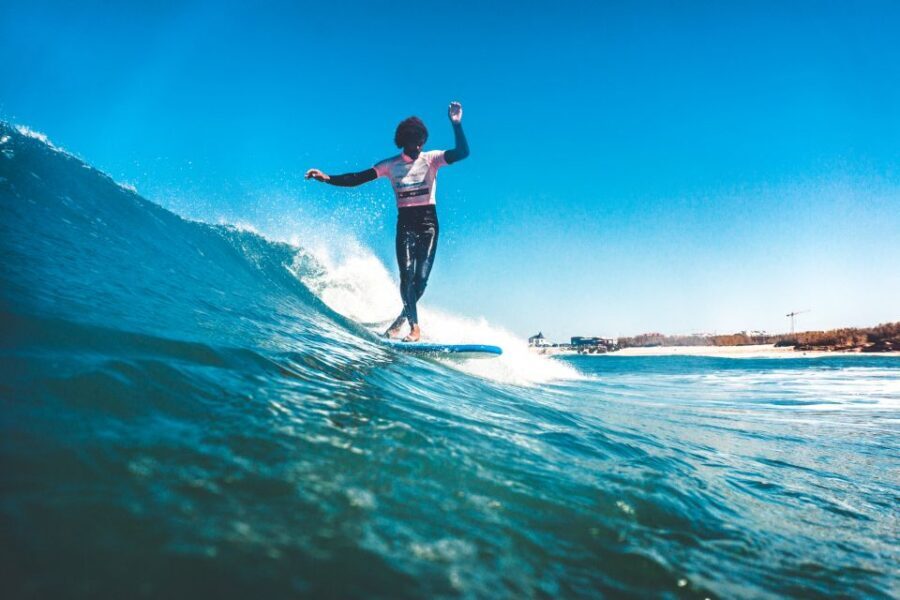
Peniche sits on Portugal’s Atlantic edge, where the water does what it wants and the coastline keeps changing its mood. In this 1.5-hour surf class, you get a compact lesson that’s built to make progress, not just hand out boards and hope for the best.
Here’s what makes this format feel smart: the time is short, so the instructor has to teach the essentials quickly—how to control your stance, how to paddle and position, and how to read a wave so you can actually try. This is the kind of class where you leave with clearer next steps, even if you’re not riding perfect waves by the end.
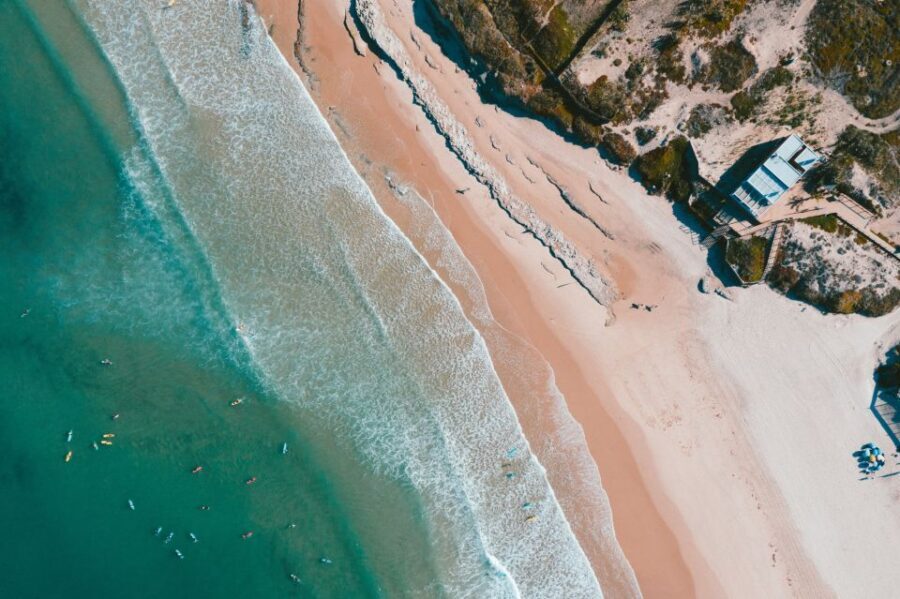
Peniche also helps. You’re not only surfing; you’re learning in a place known for waves and for white-sand beaches that can work for different abilities. That matters, because beginners do better when the environment supports them—cleaner areas to practice and waves that are not all brutal swells.
You can also read our reviews of more tours and experiences in Peniche
Pick Your Level: B1 to I2 Changes the Whole Session
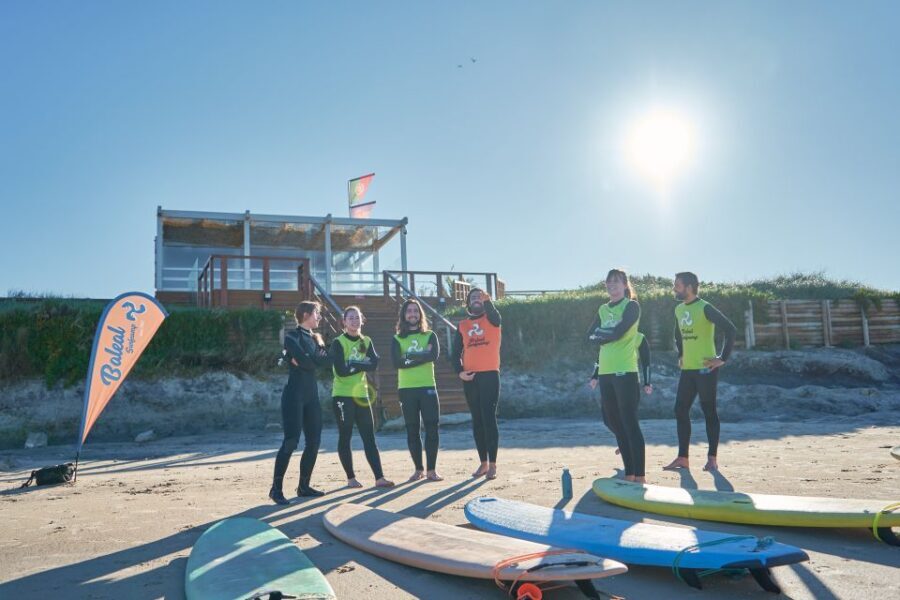
One of the best things about this surf class is how seriously it sorts you into an appropriate track. During checkout, you choose your surfing level:
- B1: white water only. Learning trimming, turning, and getting a functional stance in the shallows
- B2: you start catching unbroken waves with an in-water coach help, then begin surfing across the face
- I1: you can catch and stand on unbroken waves with coach support; you can turn toward the face and trim with control
- I2: you can catch unbroken waves on most attempts (more than 60%) with in-water coaching
Why this matters in real life: surf classes can fail when everyone gets thrown together. If you’re catching waves and turning reliably, you don’t need the same coaching cues as someone still figuring out how to stand after a paddle. And if you’re new, being pushed toward waves you can’t yet handle can turn the whole session into survival.
With B1 through I2, you’re more likely to get cues that match what you’re already doing. You’ll also be more likely to get enough tries to feel progress, because the instructor can spend coaching time where it counts.
The Boards and Why Trying Multiple Sizes Helps
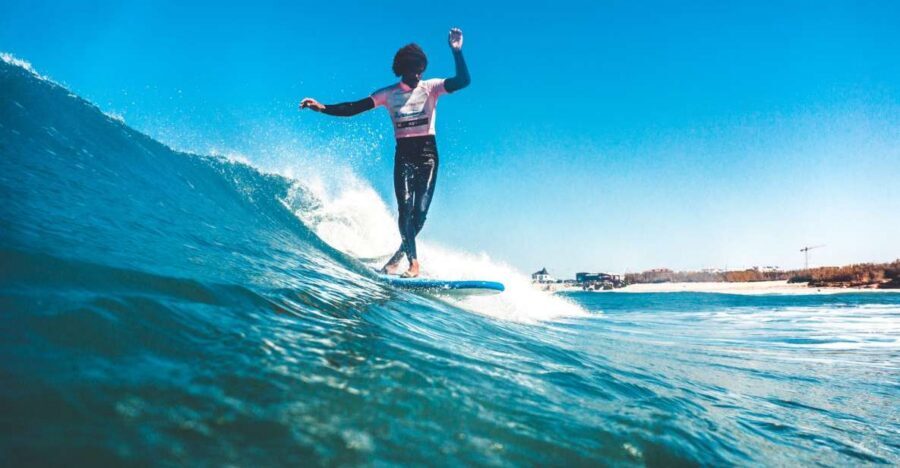
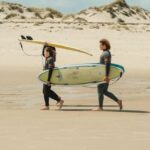
You’ll try a variety of boards, and that is not a small detail. Board choice can make surfing feel magically easy or stubbornly impossible, especially early on.
Here’s the practical logic you can use:
- If you’re a beginner, you usually want a board that helps you paddle and pop up with more stability.
- If you’re more advanced, you may need a board that responds better to turns and face control.
Trying multiple board sizes and shapes in one session gives you a shortcut: you learn what each board lets you do in real conditions. Instead of guessing at home or renting randomly, you see the difference while you still have coaching right next to you.
Also, trying different boards tends to improve your confidence. Even if one board feels off, you still have another chance to find something that works with your natural balance.
Peniche Waves and Local Spot-Finding
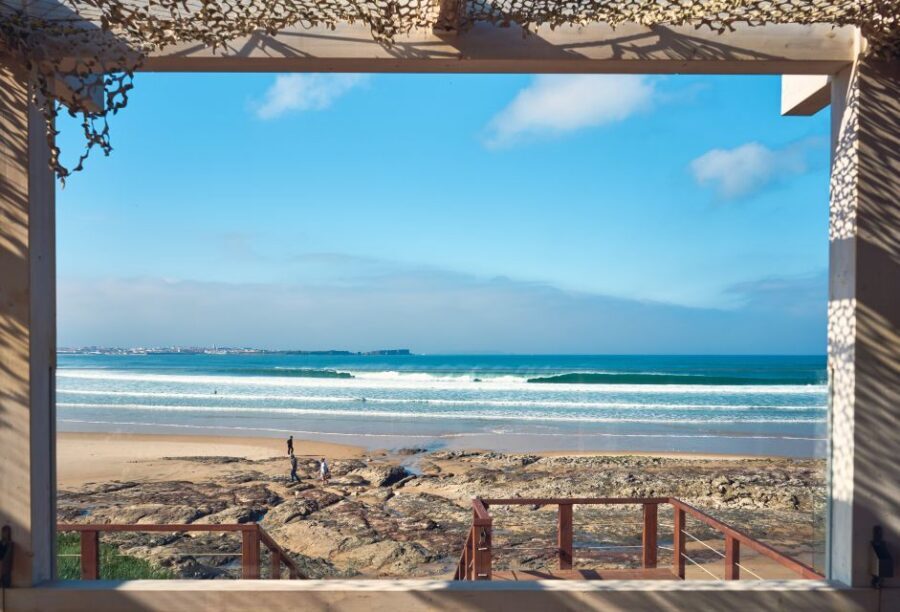
This class is not just instruction in one generic area. You get guidance on the best surfing spots around Peniche, and you also explore with a local surf guide.
That local layer is huge for value. Surfing looks simple until you realize each stretch of coastline changes everything: where the wave breaks, how fast it pitches you, and where you can actually catch something without fighting the ocean every second.
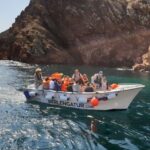
You’ll get help steering toward waves that fit your level—waves suitable for beginners and also options for more capable surfers. And if you’re curious about the coastline beyond the beach entrance, you’ll also get that tour-like bonus: seeing the coastline of Peniche while you’re learning where to go next.
What Happens in the Water (and Why It Feels Intense)
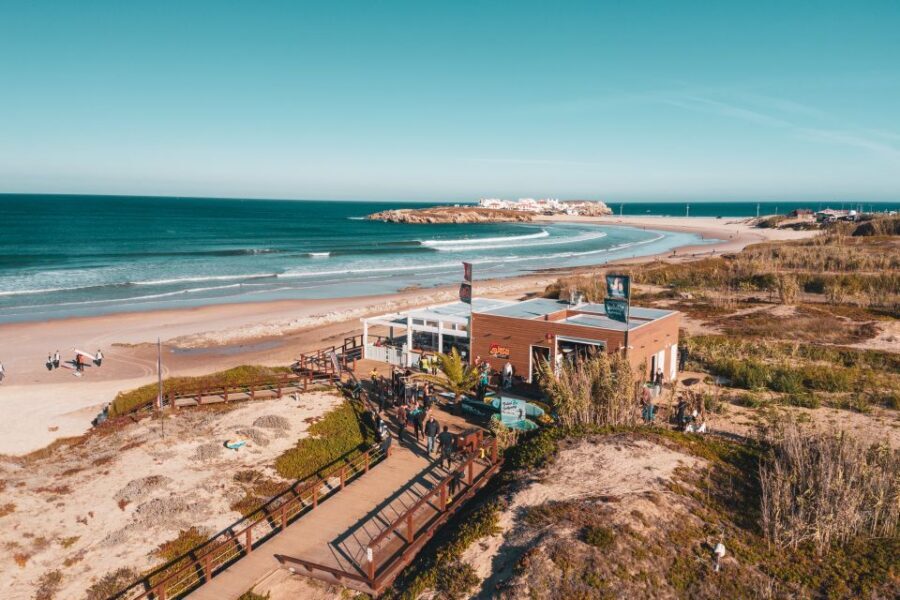
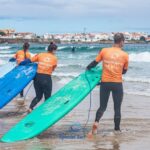
Expect a structured lesson, not a free-for-all. You’ll work with the instructor (Portuguese, English) and the coaching should include a mix of technique and on-water practice.
For beginners on B1/B2, the goals are usually about functional progress: getting comfortable, learning how to manage your body position, and starting to stand when the wave lines up. If you’re on B2, the support is described as in-water coach help, which means you should not feel entirely alone when you’re transitioning from white water into unbroken waves.
For intermediate and advanced tracks (I1/I2), the goals shift toward control—turning to the face, trimming down the line, and catching more unbroken attempts. In other words, you’re not just trying to stand; you’re trying to refine wave use and decision-making.
One more realistic note: the ocean has no respect for your workout plan. Even people who pick B1 can get sore. One review specifically called out that it can be difficult physically and feel a bit long in the way only learning days can. If you’re training around it, think sore shoulders and legs, not just a fun walk on the beach.
Instructor Style, Patience, and the Pedro Factor
A big part of whether surf lessons land is the instructor’s temperament. Here, you’re dealing with a licensed instructor, and the vibe seems consistently focused on not giving up on students.
In particular, one instructor named Pedro is praised for being super nice, patient, and cheerful. That kind of energy matters more than people think, because early surfing punishes hesitation. If you freeze or get frustrated, your timing goes. A patient coach helps you reset, try again, and learn what part of your motion needs adjustment.
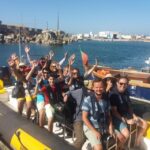
Group dynamics can also affect your experience. In one session, the group was about a dozen, and only a few people were true beginners, which meant those beginners got more hands-on help. In other words: if you’re new, you’ll likely benefit most when your group mix allows the instructor to give you direct coaching time.
Price and Value: Is 41 Dollars a Good Deal?
For $41 per person for a 1.5-hour class, the value depends on what you’re trying to get out of the day.
What you do get:
- Lessons with a licensed instructor
- Gear provided
- Insurance included
- Coaching aimed at your selected surfing level
- Local guidance to better surf spots around Peniche
That’s a lot wrapped into one price. If you’re comparing it to solo surfing, you’d need to rent a board, figure out where to go, and then troubleshoot mistakes on your own. Solo renting might be cheaper on paper, and one person noted they could rent a surfboard for about €15 for 3 hours. But that comparison misses the real value: coaching speed. You get feedback immediately, and you avoid burning your session paddling toward the wrong waves for your ability.
So here’s my straight take: if you want to progress with real feedback, $41 is fair. If your goal is mostly to be on the water and you already know where to surf, you might decide you can DIY more cheaply.
Where This Fits Best (and Where It Might Not)
This class is best when you want structured learning fast. You’ll likely enjoy it most if:
- You’re a beginner who wants coaching beyond basics
- You’re intermediate and want help improving consistency or line control
- You like the idea of trying multiple boards and getting guidance on what fits
It may feel less satisfying if:
- You’re expecting a quiet, private beach experience
- You mainly want to freestyle without technique feedback
- You’re already very confident and feel like a short class won’t change your surfing much
Also, because Peniche spots can get busy, one reviewer felt the group was taken to an area that was very crowded. That doesn’t mean the lesson is bad—it just means you should treat this as a learning experience first, not a low-crowd day at the beach.
Quick Practical Tips Before You Go
You can make the class smoother with a little prep:
- Choose the right level honestly. If you overstate your ability, you’ll likely struggle with waves that are too advanced. If you understate it, you might feel bored.
- Wear what allows you to move and stay warm enough. The Atlantic can be bracing, even when the sun is out.
- Mentally plan for falls and wipeouts. A surf lesson is a short cycle of try, fail, adjust, and try again.
And a small but important mindset shift: early surfing feels clumsy. That’s normal. Focus on getting one thing better each attempt—stance, paddle timing, or how you face the wave—rather than chasing a perfect ride.
Should You Book This Peniche Surf Class?
If you want an efficient way to learn or refine surfing in Peniche, I’d say yes, book it, especially if you value:
- Licensed coaching matched to B1/B2/I1/I2
- Gear included so you can show up and start learning
- Multiple boards, which speeds up finding the right feel
- A local guide approach to finding surf that fits your level
I’d pause only if you’re looking for a very calm, uncrowded beach day or you already have a solid surf plan and mainly want time on the water. For most people, though, the short 1.5 hours plus the included gear and coaching is exactly the kind of practical travel win that makes the Atlantic feel reachable.
FAQ
How long is the surf class?
The duration is 1.5 hours.
What is the price per person?
The price is $41 per person.
What’s included in the class?
It includes lessons, gear, and insurance.
What surfing levels are offered?
You choose a level during checkout: B1 (white water only), B2 (unbroken waves with coach help), I1 (unbroken waves with control), or I2 (more than 60% unbroken wave catches).
Does the instructor speak English?
Yes. The instructor provides Portuguese and English instruction.
Is there free cancellation?
Yes. You can cancel up to 24 hours in advance for a full refund.
Can I reserve and pay later?
Yes. You can reserve now and pay later, so you can book your spot without paying today.
Do I need to indicate my surfing level?
Yes. You are asked to indicate your surfing level during checkout so coaching can match your ability.