REVIEW · SESIMBRA
Lisbon: Rock Climbing&Abseiling Arrábida Setubal Sesimbra
Book on GetYourGuide →Operated by WIND · Bookable on GetYourGuide
Real rock, near Lisbon.
This Lisbon-area climbing day takes you to the Fenda da Arrábida geo-monument in Arrábida Natural Park, where natural rock walls rise tens of meters and the climbing sectors are known among mountaineers. I especially like the certified instruction (Portuguese National School of Mountaineering accreditation) and the way the session mixes real route time with proper rope coaching.
I also like that the guide adjusts the day to your level, so first-timers can focus on technique while climbers get a chance at higher grades when conditions allow. One drawback to consider: climbing shoes may not be rented, so if you don’t have footwear, plan to bring your own or ask in advance.
The 4 hours move quickly, with safety gear, short lessons, then climbing at the park between Sesimbra and Setúbal—usually under an hour from Lisbon by car.
In This Review
- Key things you’ll notice right away
- Where Fenda da Arrábida fits in your Lisbon plans
- The safety setup: gear, certification, and how the day is taught
- The 4-hour flow: from beach meeting to rock time
- Meeting and first briefing
- Van transfer to the climbing starting point
- Climbing the sectors
- Wrap-up and debrief
- Route difficulty: how the guide handles beginners vs. regular climbers
- The one detail that can make or break comfort: shoes
- Getting there and getting your bearings
- What to bring (and what not to bring)
- Who should go, and who should skip this day
- Price and value: is $70 a fair deal?
- Weather and logistics: what happens when the plan changes
- Should you book this Lisbon Arrábida rock climbing and abseiling session?
- FAQ
- Where do I meet for the Arrábida rock climbing and abseiling session?
- How long is the experience?
- What climbing gear is included?
- Do I need prior climbing experience?
- What should I bring, and what shoes are not allowed?
- What happens if weather or safety conditions stop the activity?
Key things you’ll notice right away
- Fenda da Arrábida: natural rock walls tens of meters high in Arrábida Natural Park
- Certified Portuguese guides accredited by the National Mountaineering School
- Rope work in the real world: harness, helmet, double safety lanyard, quickdraws, and training before you’re on the rock
- Route difficulty is adjustable: low difficulty options first, with higher-level attempts possible
- Short session, big payoff: 4 hours total with a debrief at the end
Where Fenda da Arrábida fits in your Lisbon plans
If you’re staying in Lisbon, a lot of day trips feel like you’re spending the whole time in a van. This one still includes a transfer, but the effort is tied to a real climbing setting: Arrábida Natural Park, near Sesimbra and Setúbal.
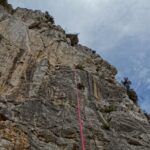
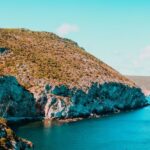
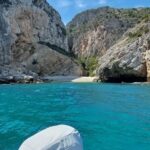
The star is the Fenda da Arrábida geo-monument. The rock is the reason this place has a reputation in the mountaineering community. And it’s not just for looks. You get natural climbing walls with multiple sectors and different difficulty options, so the day can feel “choose your own adventure” rather than a single fixed climb.
There’s also an environmental angle worth appreciating. The park has endemic, long-lived plant life, and the cliffs sit inside a protected area. Translation: it’s a practical way to experience Portugal’s outdoor side without turning it into a full camping expedition.
You can also read our reviews of more tours and experiences in Sesimbra.
The safety setup: gear, certification, and how the day is taught
For a climbing and abseiling (rappel) experience, safety isn’t a side note. It’s the whole foundation. The instructors are accredited by the National Mountaineering School—Federation of Camping and Mountaineering of Portugal, and the session begins with a safety briefing plus an equipment introduction.
Here’s what you’re provided with:
- Helmet + harness + double safety lanyard
- Climbing rope + quickdraws (so you’re actually climbing, not just watching)
- Water and energy bars during the activity
- Experience liability insurances
Before you leave, you get coached on the basics: safety practices, introductory climbing techniques, and rope techniques. That matters for two reasons. First, it builds confidence fast. Second, it helps you understand why certain actions are done the way they are—so you’re not just copying movements.
The guides also seem to bring a calm, attentive style. In one experience with Rafael (often mentioned as Rafa), the feedback called out patience and reassurance, especially for a first rappel setup. Another name that comes up is Samuel, with people highlighting careful safety checks and coaching that still worked even when one partner had more climbing experience.
The 4-hour flow: from beach meeting to rock time
This is the kind of tour where the schedule is simple, but the pacing is smart. You’re not stuck in lectures. You’re taught just enough to get onto the rock, then you keep learning by doing.
Meeting and first briefing
You meet behind the restaurant Anicha-Bar on the beach, marked with a big blue flag. That makes it easier to find than a generic street corner.
From there, the day starts with a safety briefing and an intro to your instructor/guide. Then you get your equipment fitted and introduced, including the harness and helmet and how the safety lanyard system is used.
Van transfer to the climbing starting point
You’ll travel by van to the start of the activity. During this ride, the guide also covers best safety practices and some rope-tech basics. In practice, this is where you get your mental map: what you’ll do first, what you’ll practice, and where the tricky moments are likely to be.
Climbing the sectors
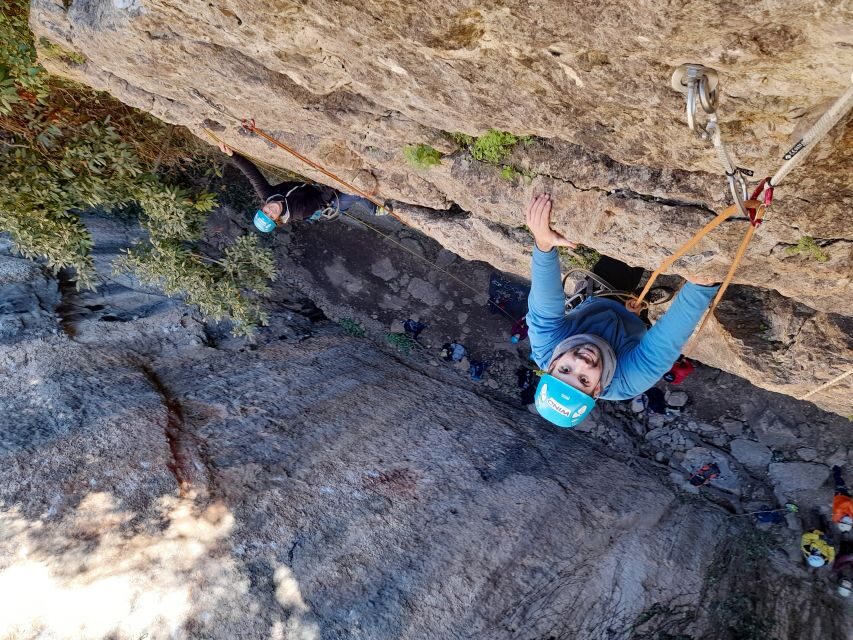
Once you reach the rock, you climb natural rock walls. The structure is designed to build from confidence to challenge. Expect a strong mix of:
- Lower-difficulty routes to get you moving safely
- Opportunities to try higher levels if you’re comfortable and the day’s conditions match
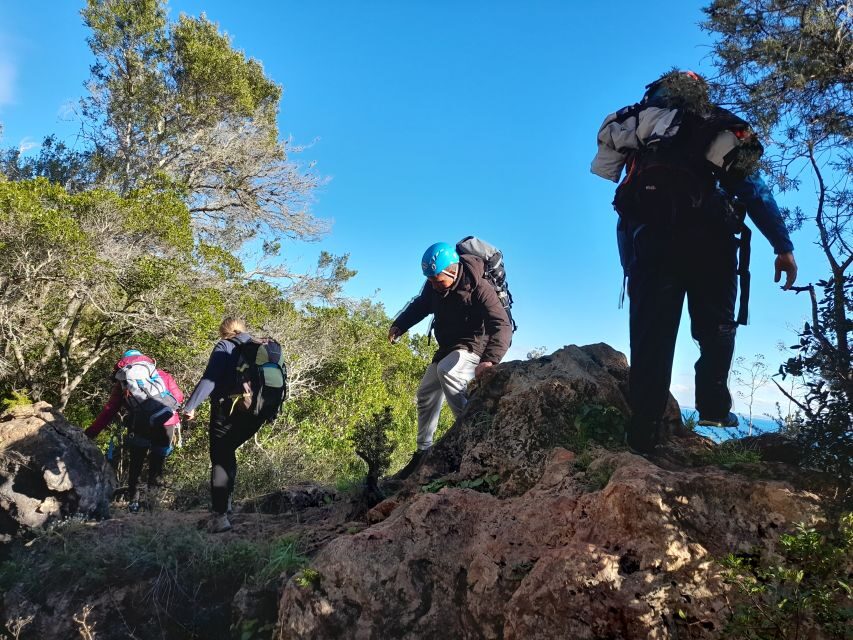
If your session includes abseiling/rappel, you’ll get the rope technique basics that make that action feel controlled instead of scary. One booking specifically mentioned a first-time rappel experience and even exploring grottos, so it’s fair to say some setups may include cave-like areas when logistics and conditions allow.
Wrap-up and debrief
At the end, you return to the starting point for a debrief. This is a useful final step because it helps you connect what you did with what you should practice next time—especially if you’re new and want to build better habits early.
Route difficulty: how the guide handles beginners vs. regular climbers
One of the best parts of this experience is that it’s not locked to a single skill level. The day is set up for beginners, but it can still satisfy someone who climbs regularly.
In the positive experiences, people specifically mentioned coaching that felt attentive and personalized, with safety checks that didn’t slow things down too much. One first-time participant described Rafa as reassuring and patient, and another said Samuel helped them feel protected even when the climb to the rock spot was more challenging than expected.
That said, there’s a real consideration from a mixed review: if you already climb frequently, you may find the session spends extra time talking or focuses on routes below your usual grade. The good news is that the guide asks about your background beforehand, so it’s worth being clear about your actual level—what grades you lead, and what you’re comfortable with on rope systems.
The one detail that can make or break comfort: shoes
Here’s the small detail that can turn a fun day into an uncomfortable one: climbing footwear.
One booking noted that climbing shoes were not rented, which felt strange compared with similar experiences elsewhere. You can’t assume rentals are standard, so if you don’t already have proper shoes, treat this as a checklist item:
- If you own climbing shoes, bring them.
- If you don’t, ask ahead whether shoe rental is available for your specific departure.
Sports shoes can be fine for access and general comfort, but rock climbing—especially on natural faces—often feels better with footwear built for edging and friction.
Getting there and getting your bearings
This is a Portugal trip where the “start point” matters. The official meeting is on the beach behind Anicha-Bar, and you’re looking for that big blue flag.
Then comes the practical part: transportation. The experience includes the in-day van transfer to the activity start point, but transportation service is listed as optional extra cost if you need it. So if you’re not already near the meeting area, plan for that added step.
Timing-wise, you’ve got a tight 4-hour window. That’s great for fitting into a Lisbon itinerary, but it also means you should show up ready—climbing sessions don’t pause for your morning coffee.
What to bring (and what not to bring)
The tour is active and outdoors, so pack like you’re going climbing, not just sightseeing.
Bring:
- Windbreaker (coastal weather can change fast)
- Food and water (water is also provided during the activity)
- Sports shoes and sportswear
- Daypack
Not allowed:
- Open-toed shoes
This one is easy to miss. If you’re in sandals and you’re thinking this is fine because it’s just climbing—don’t. Wear closed sports shoes.
Also, think about layering. Even if it’s warm, a windbreaker keeps you comfortable during briefing time and the walk/access moments.
Who should go, and who should skip this day
This is where you should be a little strict with yourself. The experience is not suitable for:
- Children under 8
- Pregnant women
- People with back problems
- People with mobility impairments
- People with heart problems
- Visually impaired people
If you’re fit, comfortable with safety gear, and willing to follow instructions, it can be a great challenge. It also works well as a group activity—people mention doing it solo and in setups like birthdays and group events—because the guide can coach and manage multiple people in a structured way.
The minimum attendance is two people per course, so make sure you’re booking a time that meets that requirement.
Price and value: is $70 a fair deal?
$70 per person for 4 hours isn’t cheap in a “walk-in and free” kind of way. But for a certified climbing and abseiling session in a protected natural area, it’s competitive because you’re paying for:
- Certified instruction
- Safety systems (harness, helmet, double safety lanyard)
- Climbing rope + quickdraws
- Water and energy bars
- Experience liability insurances
The value improves most if you don’t want to figure out your own gear, find the correct rock sectors, and build rope skills from scratch. You’re essentially paying to get a guided day that includes real coaching and real routes.
If you already own everything and can travel to the rock independently, you might feel the cost more. But for many visitors, especially first-timers, that price buys peace of mind and momentum.
Weather and logistics: what happens when the plan changes
Climbing depends on conditions. This experience can be restricted due to meteorological and safety/logistic conditions. When that happens, the operator proposes an alternative experience or reschedules.
One booking directly described a change due to weather, with an alternative date offered at no extra cost, plus a smooth transfer. Another booking mentioned that when rock climbing couldn’t be done, via ferrata was offered instead, with a great time reported.
So if you’re booking near your travel window, keep your expectations flexible. With the right attitude, a reschedule is annoying, but it’s better than rushing into unsafe conditions.
Should you book this Lisbon Arrábida rock climbing and abseiling session?
I think this is a smart book if you want a real rock experience near Lisbon without needing a climbing mentor on your own. The combination of certified guiding, safety-first rope coaching, and multiple route options in Fenda da Arrábida makes it a strong choice for both first-timers and experienced climbers who want structure.
Book it if:
- You’re excited to learn rope basics and climbing movement
- You value safety coaching and a debrief afterward
- You want a half-day plan that gets you out of Lisbon for actual rock time
Skip or reconsider if:
- You need guaranteed climbing shoe rental (it may not be included)
- You’re looking for a long, non-stop route marathon (this is 4 hours, and learning time is part of it)
- Any of the listed medical or mobility limitations apply
If you do book, message the operator ahead about footwear and your climbing level. That one step can help the guide match routes better and keep the day feeling like your challenge—not just a standard checklist.
FAQ
Where do I meet for the Arrábida rock climbing and abseiling session?
You meet behind the restaurant Anicha-Bar on the beach, where you’ll find a big blue flag.
How long is the experience?
The duration is 4 hours.
What climbing gear is included?
You’re provided with a helmet, harness, double safety lanyard, plus climbing rope and quickdraws. Water and energy bars are also available.
Do I need prior climbing experience?
It’s designed to work for both beginners and experienced climbers. The guide will introduce techniques and safety practices, and higher levels may be possible depending on the situation.
What should I bring, and what shoes are not allowed?
Bring a windbreaker, food, water, sports shoes, sportswear, and a daypack. Open-toed shoes are not allowed.
What happens if weather or safety conditions stop the activity?
The experience can be restricted due to meteorological or other safety/logistic conditions. If that happens, you’ll be offered an alternative experience or the activity will be rescheduled.