REVIEW · PENICHE
Group surf lesson
Book on GetYourGuide →Operated by Special Surf 78 · Bookable on GetYourGuide
Peniche makes surfing feel close. This 2-hour group lesson runs from the Hotel Star Inn Peniche, gets you into a wetsuit fast, and has you working with FPS-accredited instructors on the beach of Peniche-Baleal. I like the straightforward flow, because you spend less time figuring things out and more time learning.
What I like most is the coaching setup: small numbers per instructor and a warm-up that starts on land before you hit the water. The lesson also includes the basics you’d otherwise pay for separately—equipment, time with an instructor, and school facilities like showers.
One thing to consider: you’ll need to bring your own towel, sunscreen, water, and beachwear, and it’s a short session. If you’re hoping for a long, slow progression, this is more of a solid first push than a full-day transformation.
In This Review
- Key things to know before you go
- Meeting at Hotel Star Inn Peniche and Getting Your Gear Sorted
- The Two-Hour Plan: How Peniche Surf Time Actually Gets Used
- Warm-Up on Peniche-Baleal Beach: Building Confidence Before the Push
- Sand Instruction That Teaches More Than Just Standing Up
- Getting Into the Water: Coaching When It Matters
- Why the Instructor Team and Small Numbers Improve Your Chances
- Value and Price: What $53 Really Buys You
- What to Bring (and What to Skip) for a Smooth Lesson
- Peniche Surf Location: Why Being Steps From the Beach Helps
- Who This 2-Hour Group Lesson Is Best For
- Should You Book Special Surf 78 in Peniche?
- FAQ
- Where do I meet Special Surf 78 in Peniche?
- How long is the group surf lesson?
- How much does the lesson cost?
- Do I get the surf equipment and insurance?
- How many people are in the group?
- What languages are the instructors?
- What should I bring with me?
Key things to know before you go
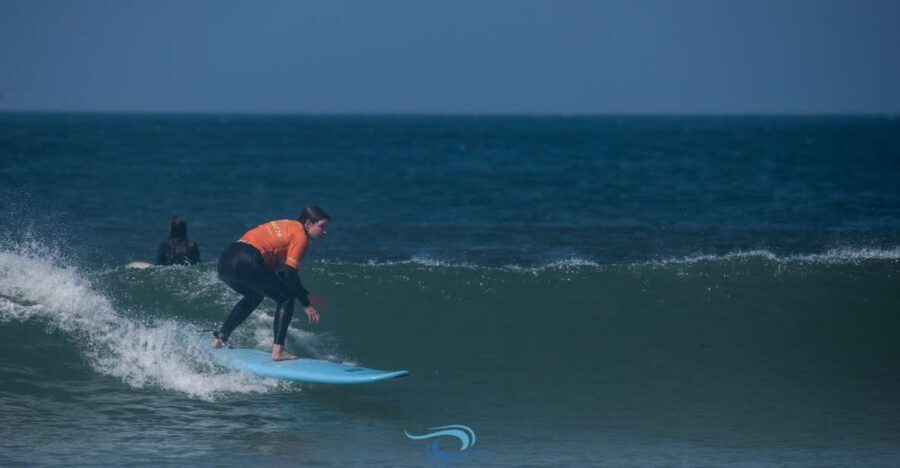
- FPS-accredited instruction focused on getting you moving safely and efficiently
- Small groups (limited to about 7 participants, with notes of up to 5 per teacher) for more attention
- Best-beach location in Peniche with the school steps from the main Peniche-Baleal sand
- Clear lesson rhythm: wetsuit, board, warm-up, sand instruction, then water
- Hot showers and a comfortable wetsuit change area after your session
- Multilingual guidance in Portuguese, English, and Spanish
Meeting at Hotel Star Inn Peniche and Getting Your Gear Sorted
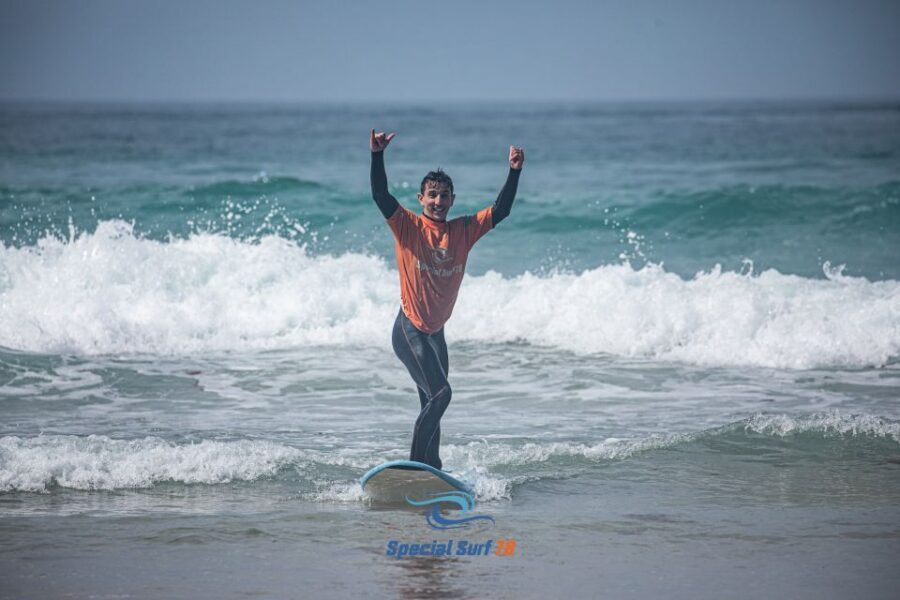
The meeting point is simple and practical: you go to the hotel reception at Hotel Star Inn Peniche and look for the Special Surf 78 help desk. Someone is there to welcome you, which matters when you’re arriving in a surf-timing rush—especially if you’re not local and you’re trying to get set up quickly.
Next comes the wetsuit. You’ll be given your suit and directed to the school’s changing/locker rooms. This is a small detail, but it’s the difference between enjoying your first ten minutes on the beach and spending it wrestling zippers in the wrong place. After that, you’ll get your surf board and meet your instructor for the short trip across the street to the water.
I also appreciate that the school is set up for comfort after the lesson. Once you’re back, you’ll have hot showers and a comfortable area to take off the wetsuit. Surf lessons can be a bit “cold and chaotic” if the logistics are sloppy. This one is built around keeping things orderly.
You can also read our reviews of more tours and experiences in Peniche
The Two-Hour Plan: How Peniche Surf Time Actually Gets Used
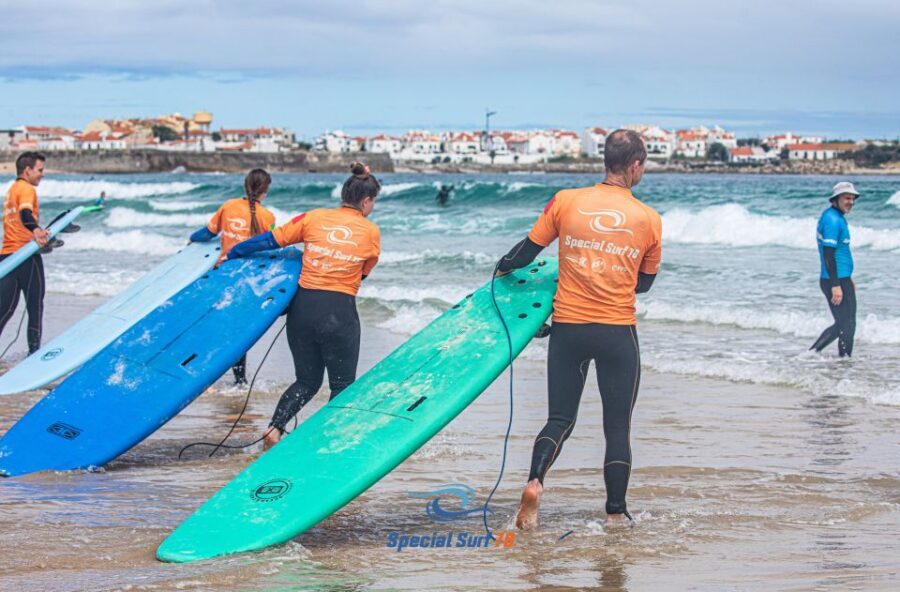
A two-hour surf lesson can either feel rushed or well-managed. Here, it’s structured so you get through the key stages: gear, warm-up, instruction, and then actual time in the water.
Here’s how the session typically moves:
- Meet at the reception help desk and confirm you’re ready to go.
- Wetsuit + changing/locker room time so you can get suited up without stress.
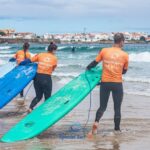
- Board handoff and a quick walk across the street to Peniche-Baleal’s main beach area.
- Warm-up first, before you start trying to stand up.
- Instruction in the sand, where you learn positions and techniques without the added chaos of waves.
- Then you go into the water for the hands-on part you came for.
- Back to the changing area for hot shower time and an easy exit.
That sand-to-water progression is valuable. You’re not just thrown into the ocean hoping for the best. The sand part helps you understand what your body should do—stance, balance, and what to pay attention to when the waves start moving under you.
Warm-Up on Peniche-Baleal Beach: Building Confidence Before the Push
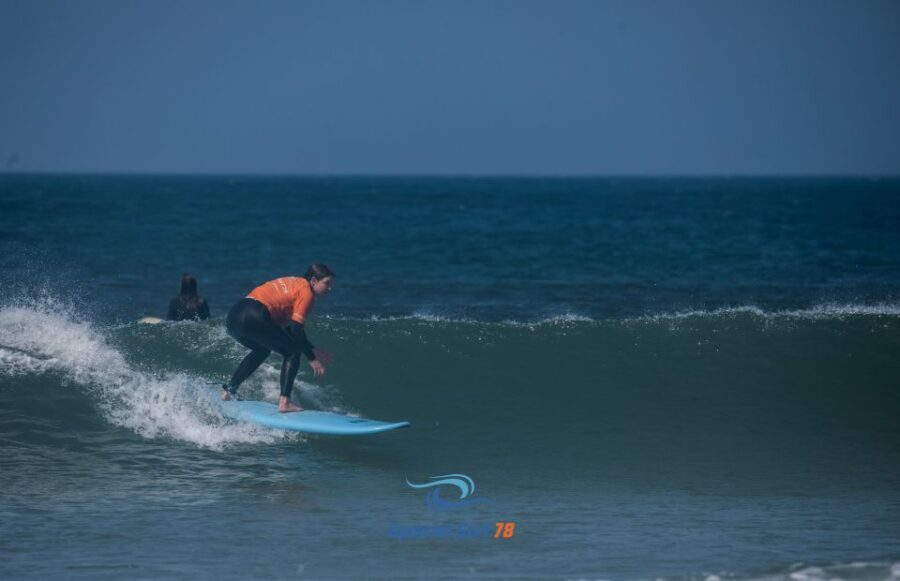
The warm-up happens right on the beach, across the street from the hotel. That timing matters. If you arrive already cold, everything feels harder. Starting on the sand keeps you focused on technique and readiness rather than reacting to discomfort.
This is also where you get your first “feel” for the day. You’ll have your gear, you’ll be near the surf, and you’ll be able to see the conditions from the shore before you’re asked to take the leap.
What you should watch for during warm-up:
- How the instructor positions you (it’s not random)
- What movements they emphasize for balance and control
- How they explain timing—when to paddle and when to try to stand
Even if you’re a complete beginner, this part helps you avoid the common mistake of rushing straight to the board without learning how to handle it.
Sand Instruction That Teaches More Than Just Standing Up
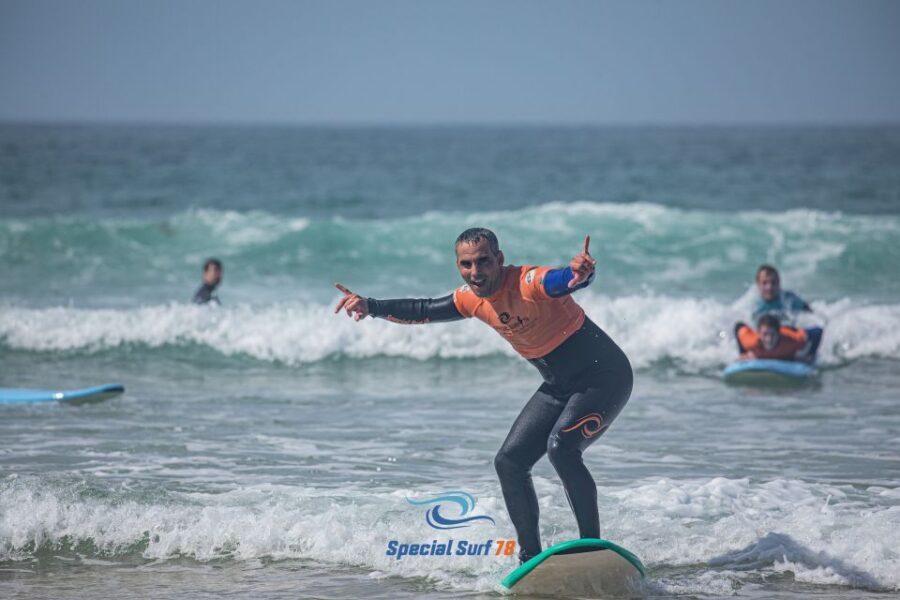
The sand instruction is one of the most important pieces of the lesson, even if it sounds basic. In practice, the sand is where you can learn without getting knocked around.
This is where you’ll work on the fundamentals before you enter the water. The idea is simple: your brain gets a plan first, and your body tries it later in real conditions. I find this approach makes the first wave attempts less frustrating because you’re not starting from zero.
During this segment, listen closely to what the instructor tells you about:
- Where to place your feet
- How to balance over the board
- How to move from paddling into your stance
And don’t worry if it feels awkward in the beginning. Surf is mostly a coordination sport, and it’s normal for your first attempts to feel clunky. The sand stage is there to make those clunky moments useful instead of confusing.
Getting Into the Water: Coaching When It Matters
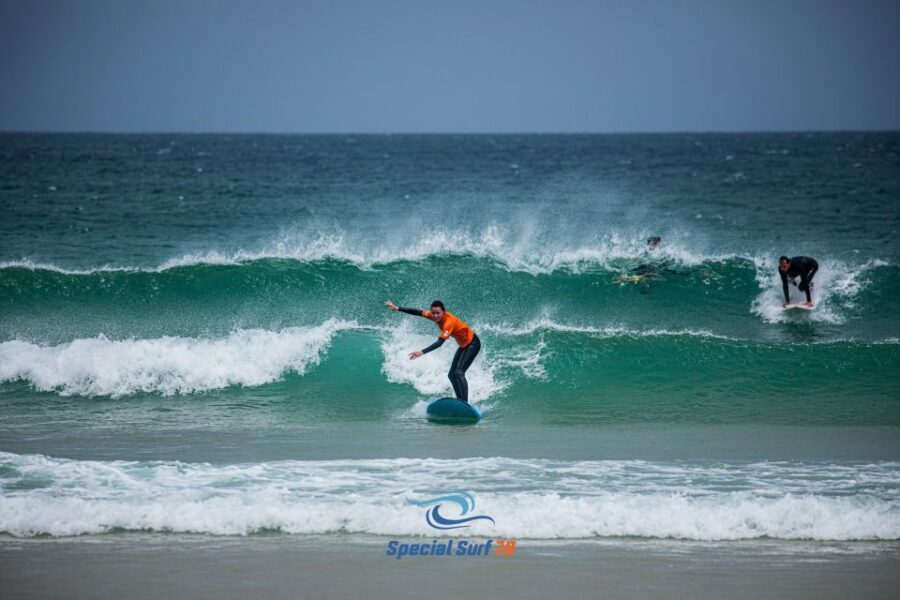
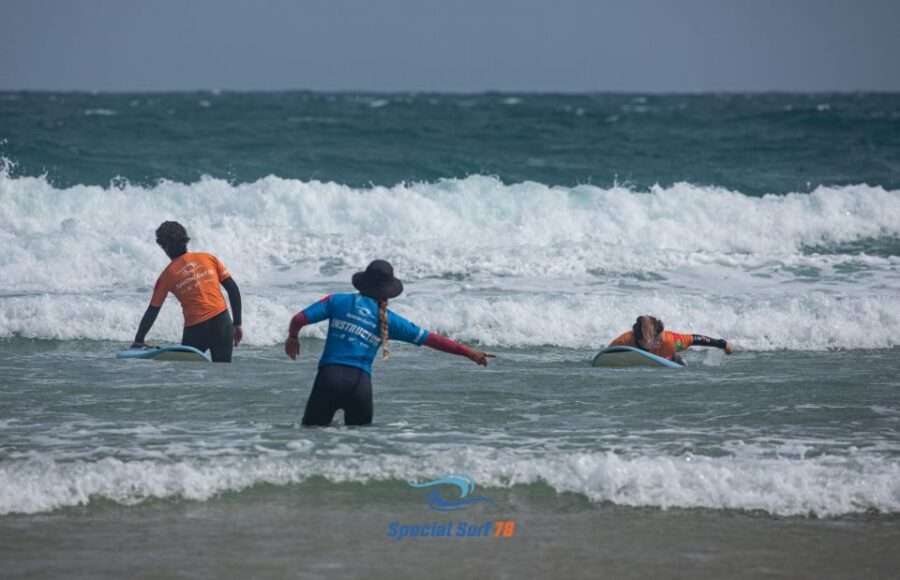
Then comes the part you actually remember: you go into the water. This is where the small group size really pays off.
The lesson is capped for small groups—limited to about 7 participants, and the school’s own information also notes a max of 5 students per teacher. Either way, you’re not standing in a long line waiting for your turn. You’ll have more chances to get corrected while you’re still learning.
I like that this setup is linked to the instructors being Portuguese Surfing Federation (FPS) accredited. Accreditation doesn’t automatically mean the lesson is perfect, but it does suggest a certain baseline of training and safety awareness. In a sport with waves, that matters.
When you’re in the water, focus on what the instructor is cueing in that moment. For first-timers, the biggest wins usually come from:
- paddling with a plan (not flailing)
- timing your attempt based on what you see
- staying calm when a wave doesn’t cooperate
If you’re nervous, that’s normal. The best strategy is to treat each attempt as feedback. You’re building coordination and wave-reading skills in real time, and the instructor is there to help you adjust.


Why the Instructor Team and Small Numbers Improve Your Chances
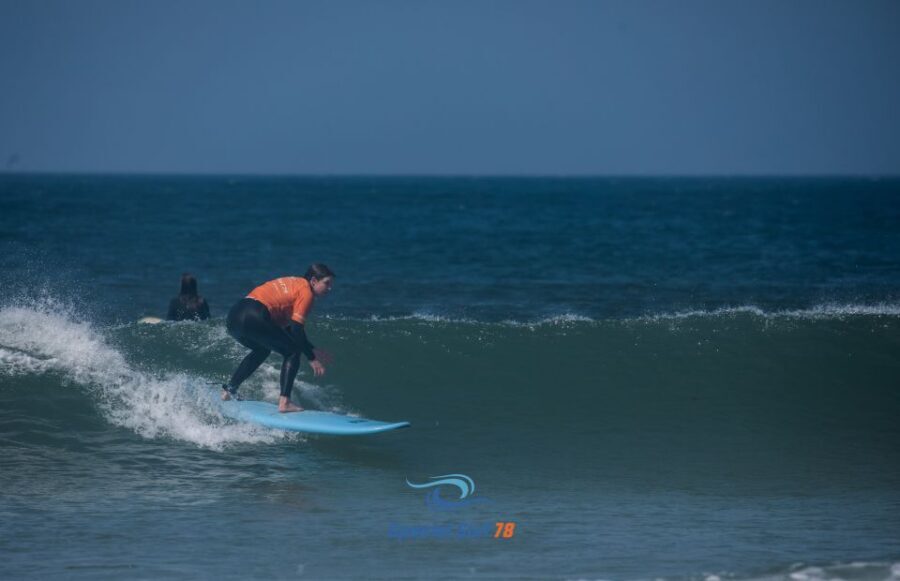
This experience is practical in how it’s set up: experienced instructors, FPS accreditation, and limits on class size. For you, the takeaway is attention.
With a group capped (and potentially as low as 5 per teacher, depending on how sessions are running), you’re more likely to:
- get technique corrections quickly
- understand what to do when you’re struggling
- receive safety guidance that’s clear and repeated
I’ve seen lessons where the group is large enough that some people basically “watch.” That’s not the vibe here. The structure is built for learning, not for filling time.
Also, the instructors speak Portuguese, English, and Spanish. That matters more than it sounds. If you’re not a native speaker, you want explanations in a language you can follow instantly—especially when safety is involved.
Value and Price: What $53 Really Buys You
At $53 per person, you’re paying for a 2-hour group surf lesson with equipment and instruction, plus insurance and full access to facilities. When I look at value, I don’t just see the price tag—I look at what’s included so you’re not paying extra at the end.
Here’s what you’re getting:
- 2 hours of surf lesson with equipment and instructor
- Personal and civil liability insurance
- Changing rooms, bathrooms, and showers
- A learning-focused setup designed for beginners
- A small-group limit
For a first surf experience, that’s often the sweet spot. The hidden costs in surf lessons can come from renting gear, paying for access to showers, or booking separate safety-related coverage. This includes the essentials up front, so your budget stays simple.
If you’re trying surf for the first time, this is a smart way to test the waters—literally—without committing to a longer, more expensive program.
What to Bring (and What to Skip) for a Smooth Lesson
The school lists what you should bring, and it’s all the stuff that makes the experience easier.
Bring:
- Towel
- Sunscreen
- Water
- Beachwear
A quick practical note: water matters. Even if you’re in wetsuit mode, you’ll still get tired and you’ll want to hydrate before and after. And sunscreen is not optional in the coastal sun.
What you can skip is guesswork—your wetsuit and surf board are provided, and you’ll have the hot shower and changing space afterward.
Peniche Surf Location: Why Being Steps From the Beach Helps
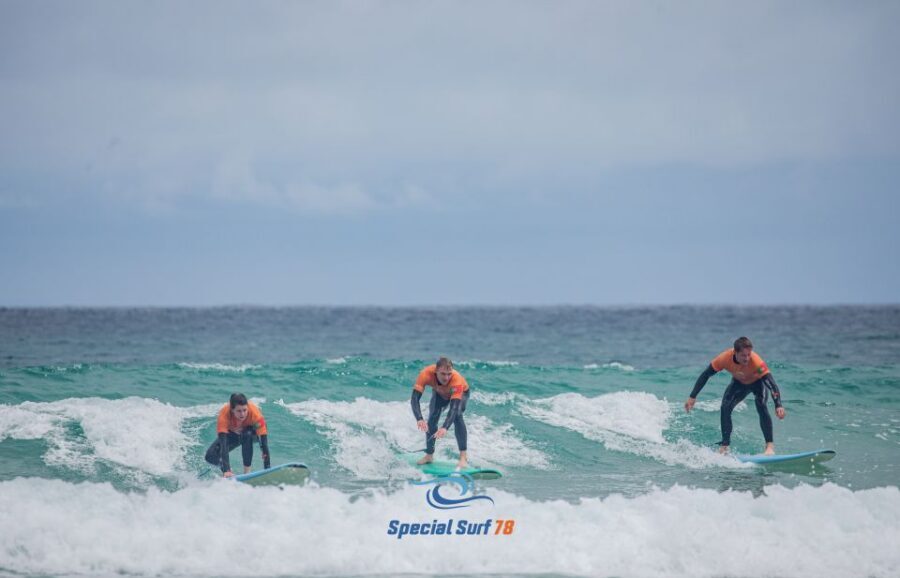
The school is inside Hotel Star Inn Peniche, and it’s only a few meters from the main beach of the Peniche-Baleal area—across the street for the lesson itself. This reduces friction.
Less walking time means:
- you arrive closer to ready
- you spend less energy traveling before you even start
- you stay on schedule in a tight 2-hour format
Also, Peniche is known for surf conditions, and this lesson places you at the beach the school considers one of the best in the area. That’s not a guarantee of perfect waves every minute, but it does mean you’re not stuck at a random shoreline with limited surf options.
Who This 2-Hour Group Lesson Is Best For
This is ideal if you:
- are a first-timer and want a structured beginning (warm-up, sand coaching, then water)
- prefer small group attention over large class chaos
- want a short, efficient experience near Peniche-Baleal
- speak Portuguese, English, or Spanish, or you just want instruction in one of those languages
If you’re an advanced surfer chasing a challenging session, this may feel basic. But if your goal is to learn safe technique, get your first wave attempts, and leave with clearer basics, you’ll likely appreciate the setup.
The wheelchair accessibility note is also relevant. The activity states it’s wheelchair accessible, so if you need that, it’s a point worth considering.
Should You Book Special Surf 78 in Peniche?
I’d book it if you want a beginner-friendly surf lesson that’s well organized and built around real learning time. The big reasons are the FPS-accredited instructors, the tight focus of a 2-hour session, and the small-group approach that should give you more chances for feedback.
I’d think twice only if you’re hoping for a long multi-session progression in one go. Two hours is enough to start—but it’s not enough to master everything. If you go in ready to learn and listen closely during the sand and water coaching, this is a solid value way to experience Peniche surf without making it harder than it needs to be.
FAQ
Where do I meet Special Surf 78 in Peniche?
You meet at the Hotel Star Inn Peniche reception at the Special Surf 78 help desk.
How long is the group surf lesson?
The lesson lasts 2 hours.
How much does the lesson cost?
The price is $53 per person.
Do I get the surf equipment and insurance?
Yes. The lesson includes equipment and instructor time, and it includes personal and civil liability insurance.
How many people are in the group?
The school notes a small group format, limited to about 7 participants, with information also stating a max of 5 students per 1 teacher.
What languages are the instructors?
Instructors provide lesson support in Portuguese, English, and Spanish.
What should I bring with me?
Bring a towel, sunscreen, water, and beachwear.