
REVIEW · SINTRA
Sintra: Hispanic Moorish Tile Workshop
Book on GetYourGuide →Operated by Estudio Lazuli - Artes e Eventos, Lda. · Bookable on GetYourGuide
Two hours, one handmade azulejo. In this Sintra tile workshop, you learn the Islamic-influenced Aresta decoration technique while making a tile with fresh clay and molds, then painting another one with colored glazes in a small studio setting. I especially like that it’s not just paint-on-a-sample craft—you choose motifs and make the design choices yourself.
My other favorite part is the pacing: it’s a true hands-on session from 3 to 5 pm, with English instruction and individual attention in a group capped at 8 participants. The main drawback to plan for is simple: your painted tile gets fired after the workshop, so you typically don’t take a finished tile home that same afternoon.
In This Review
- Key things I’d watch for before you book
- Hispano-Moresque and Aresta: what you’re learning (and why it matters)
- Inside Estudio Lazuli: how the 3–5 pm workshop flows
- Choosing motifs and painting with colored glazes
- The firing step: your tile’s real transformation
- Pickup and shipping: how to get your fired tile home
- Standard pickup
- Shipping later (and US limitations)
- What to do right after class
- Timing your Sintra day: 3 pm is a sweet spot
- Who this workshop is best for (and who should skip it)
- Should you book this Sintra Hispanic Moorish Tile Workshop?
- FAQ
- How long is the workshop?
- What’s included in the price?
- Will I be able to take my tile home the same day?
- Can you ship tiles to the United States?
- Is the workshop taught in English?
- Is it suitable for children?
- How many people are in the group?
Key things I’d watch for before you book
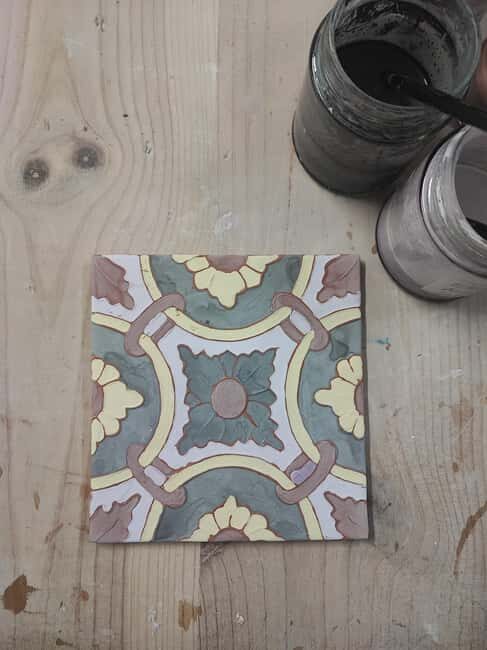
- Aresta technique, Islamic influence, practical and visual: you’ll learn how these patterns are structured through the tile decoration process.
- Clay-and-mold making plus glaze painting: you’ll work through both the physical craft and the design/painting stage.
- Pick your motifs: you can choose designs from a wide selection of motif options on molds and tiles.
- One finished painted tile, fired for you: the studio handles firing; you return later to collect.
- Shipping has limits for the US by mail: you may still get delivery options, but check the current method.
Hispano-Moresque and Aresta: what you’re learning (and why it matters)
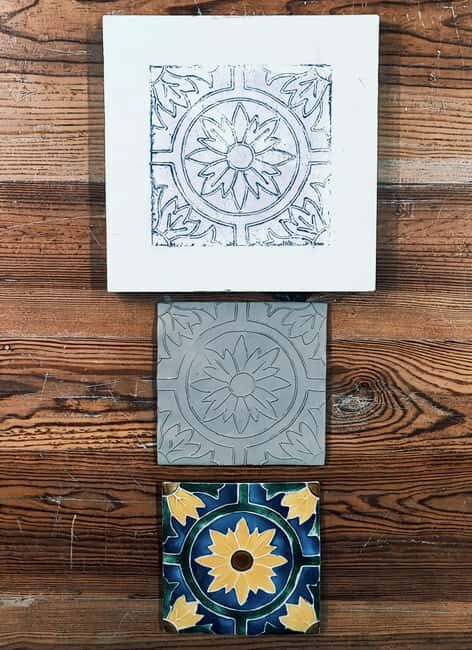
This workshop is built around Hispano-Moresque tile decoration—an art style associated with Spain and popular in the 15th century—and the Islamic influence that shaped Iberian decorative arts. You’ll see that influence show up in the geometry and the way motifs repeat and interlock, which is exactly why this kind of tile class feels different from a generic pottery workshop.
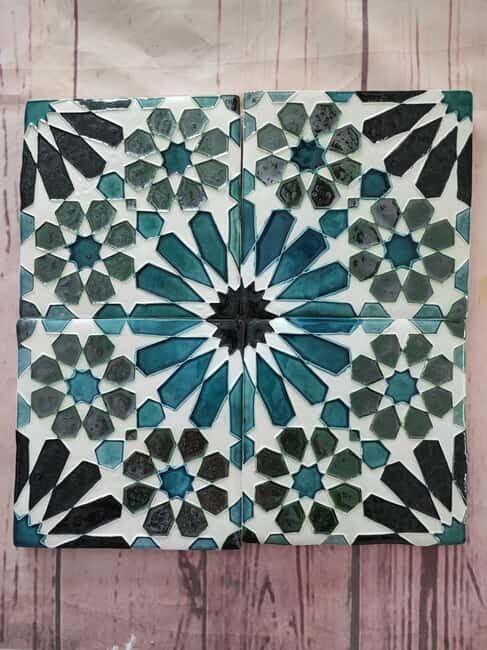
What makes the Aresta technique especially interesting is that it’s about more than surface decoration. It’s about creating a design that reads clearly once the tile is fired—where lines, structure, and pattern placement all matter. When you’re painting glazes in class, you’re practicing the same kinds of decisions that make traditional azulejo-style work look crisp instead of blurry.
If you’ve ever admired the tiles around Lisbon or Sintra and wondered how artists get such clean pattern structure, this is the hands-on shortcut. You’re not just buying the result—you learn the working method behind it.
You can also read our reviews of more tours and experiences in Sintra

Inside Estudio Lazuli: how the 3–5 pm workshop flows
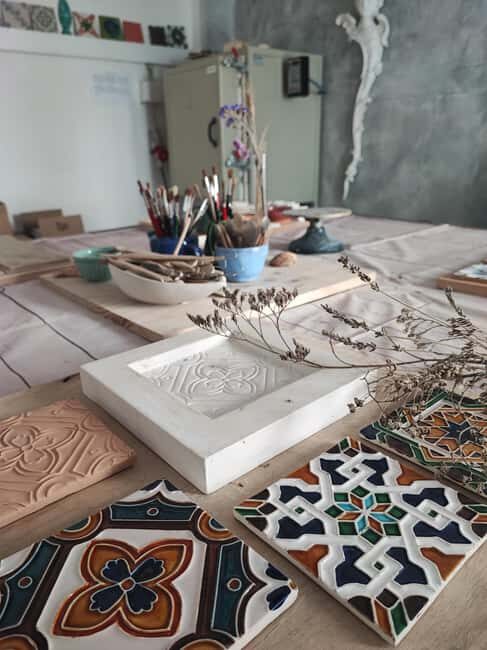
The workshop runs in the studio in Sintra from 3 pm to 5 pm, and it’s designed so you do meaningful work the whole time. Expect a small, controlled setting: a limited group (up to 8), materials ready, and instruction in English.
You’ll start with the clay stage: you’ll craft a tile using fresh clay and molds. Even if you’ve never worked with ceramics before, the process is straightforward: you’re guided through shaping and handling the clay so the pattern form stays intact. This part matters because tile-making isn’t just about the painting—getting the base right influences how everything looks later.
Then you move into painting: you’ll paint a separate tile using colored glazes. This is where the workshop becomes relaxing in a very specific way. You’re applying color intentionally, following the motif options you choose, and the structured design helps you focus. One of the nice things about working in a group this small is that you’re not stuck waiting while others catch up—you get help when you need it.
By the end of the session, the painted tile isn’t finished yet. It goes into the studio’s firing process so it can harden and develop the final look you want from a fired ceramic souvenir.
Choosing motifs and painting with colored glazes
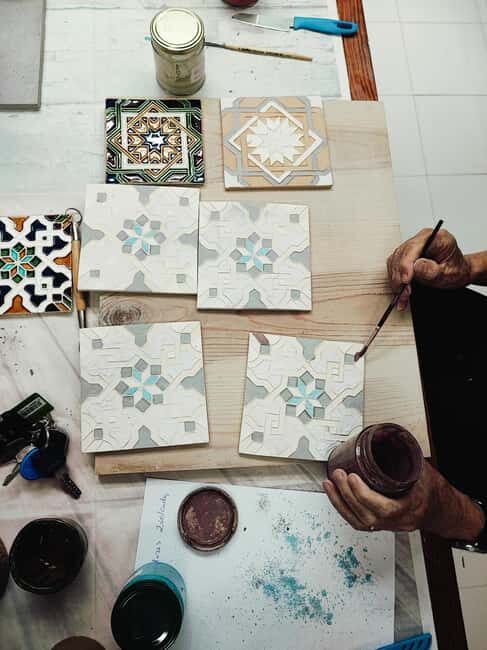
This is the moment where you steer the workshop toward your taste. You’ll choose from a wide selection of motifs, and the options include designs on molds and tiles. That means you’re not limited to one “correct” pattern; you can pick something that fits what you like to bring home.
Here’s how I’d think about your choices:
- If you like bold, high-contrast looks, pick motifs with clear geometry so the fired glazes read sharply.
- If you prefer a calmer vibe, you can choose patterns that feel more balanced and less busy.
- If you want something that’s decorative from a distance and still interesting up close, choose a motif with repeating elements rather than a single large shape.
When you paint with colored glazes, you’re working with a material that looks one way before firing and then transforms after the kiln process. That’s part of the magic—and part of the reason it’s worth letting the studio handle firing instead of trying to DIY it later.
Also, the studio environment tends to be practical rather than fussy. There’s time for guidance and a clean workspace, and you’re not pressured into buying extra items. You might see pottery or small craft pieces for sale during the visit, but the session is focused on your tile.
The firing step: your tile’s real transformation
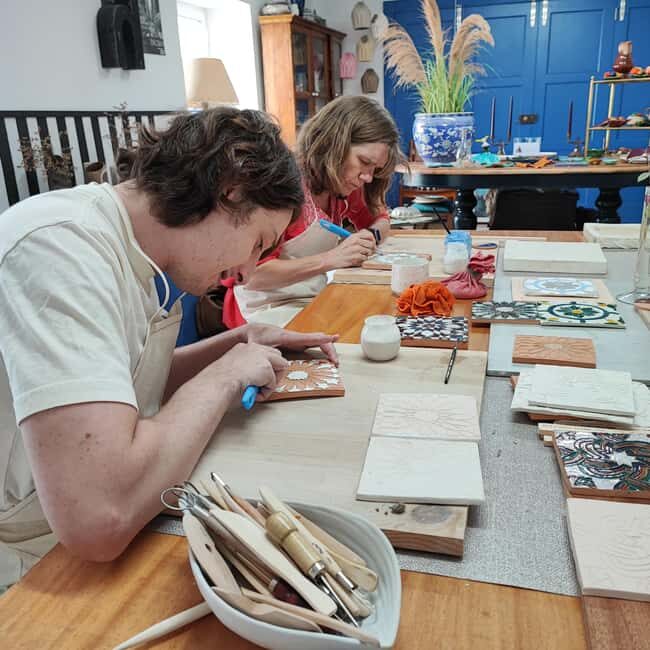
A big part of the value here is the studio’s firing service. You paint in the workshop, but the final ceramic finish depends on the kiln process. That’s why you get to enjoy the creative part without worrying about whether your glaze will set properly.
Plan around the wait: your finished painted tile is typically ready for pickup within 2–3 days. This timing is important because you’ll still be in holiday mode that afternoon in Sintra—so the class works best if you’re comfortable with a souvenir that arrives shortly after, rather than something you walk away holding.
This approach also protects your investment. Fired ceramic is durable, and you’re using materials and processes the studio already knows how to fire correctly. If your goal is a handmade tile that looks authentic, this “paint now, fire done for you” setup is a strong deal.
Pickup and shipping: how to get your fired tile home
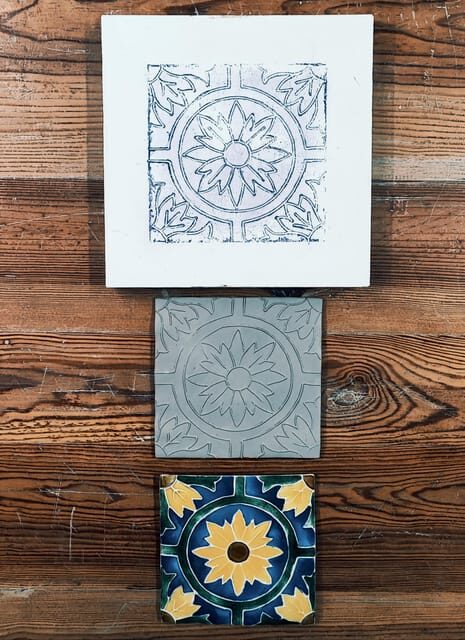
Here’s the practical truth: you have options, but the best one depends on where you’re staying and where you’re from.






Standard pickup
You can pick up your painted tile later at the studio. This is often the smoothest route if you’re still in the Lisbon/Sintra area after the workshop.
Shipping later (and US limitations)
The studio offers shipping, but there are current restrictions for the United States by mail. For US participants, the studio states they are currently unable to send tiles by mail, due to temporary postal/parcels shipment restrictions. The good news: your tile still gets fired and prepared in 2–3 days.
If you can’t collect in person, they can arrange delivery to your hotel via courier (an additional fee applies). If you prefer to wait for shipping options to reopen, they’ll store your tile safely at the studio until international shipping becomes available again.
One useful tip for budgeting: you may see people reference shipping fees that felt reasonable in prior experiences, but because policies can change, treat any number as a ballpark and confirm the current fee in the studio when you finish.
What to do right after class
After the 5 pm wrap-up, you don’t have a “last-minute tile problem.” You’ve already finished the creative part. Your main next task is logistical: decide whether you’ll return to pick up, or set up courier/hotel delivery if you’re leaving soon.
Timing your Sintra day: 3 pm is a sweet spot
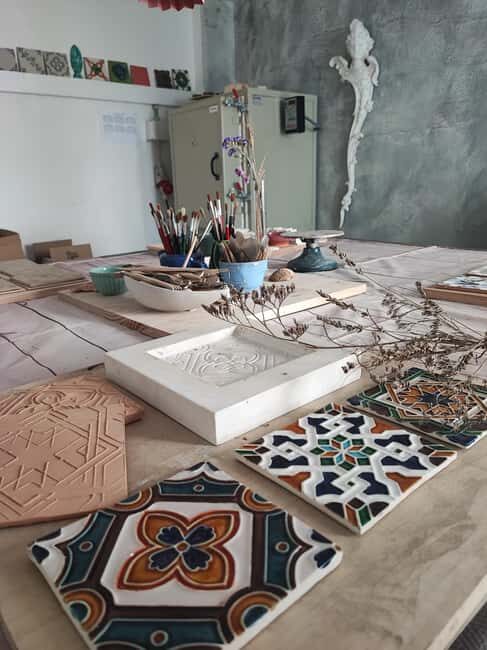
Starting at 3 pm means you can build a full Sintra half-day around the workshop. Many people like using the morning for sightseeing and then treating the class as a calm creative reset before dinner.
Sintra is easy to reach from Lisbon by train, and the studio location is set up so you can connect with the station area without a lot of fuss. A practical plan looks like this:
- Morning: explore Sintra town and its viewpoints.
- Early afternoon: grab a snack and take your time—no need to rush.
- 3 pm workshop: you’ll be fully focused on the tile craft.
- After 5 pm: head back toward Lisbon or continue exploring Sintra.
Since food and drinks aren’t included, I’d avoid scheduling lunch too close to start time. Give yourself a buffer so you don’t show up hungry or distracted.
Who this workshop is best for (and who should skip it)
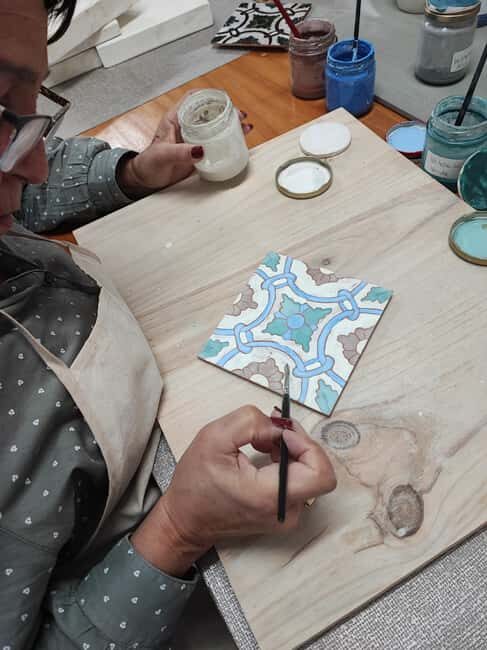
This is a small-group workshop with a capped size of 8 participants, taught in English, and it’s wheelchair accessible. If you want a hands-on arts activity with clear guidance and minimal waiting around, this format fits well.
It’s also a good match if you like souvenirs that have real craftsmanship behind them. A handmade, fired tile is something you can hang or frame later, and it connects directly to the tiles you see in Lisbon and Sintra streets.
On the other hand, it’s not suitable for children under 7. And because your finished tile needs firing time, it’s not ideal if you need a take-home souvenir immediately at 5 pm.
If you’re the type who likes doing one structured activity rather than packing your day with five stops, you’ll probably enjoy how this class concentrates everything into a tight two-hour block.
Should you book this Sintra Hispanic Moorish Tile Workshop?
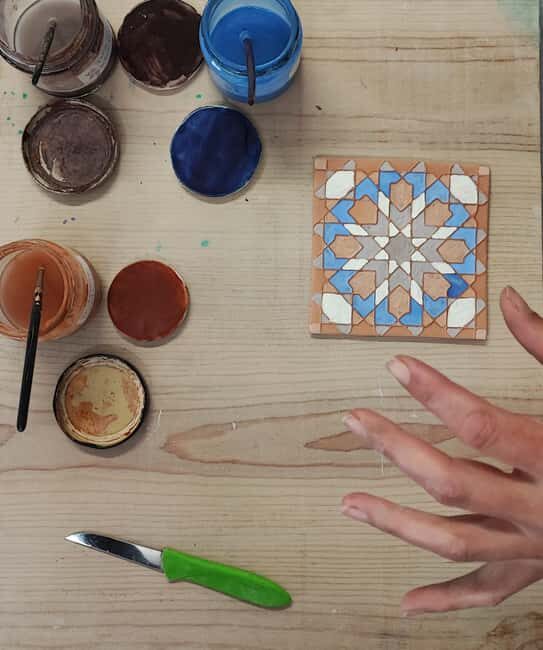
If your idea of a great trip includes doing something real with your hands, I think this workshop is worth booking. The value is in the full workflow: you shape with clay and molds, then paint with colored glazes, and the studio finishes it with firing—so you get a true ceramic result instead of a craft project that feels temporary.
Book it if:
- you want a hands-on look at Hispano-Moresque/Islamic-influenced tile design
- you like detailed pattern work and want to choose your own motif
- you’re okay waiting a couple days for the fired tile
- you want a small-group experience with English instruction
Think twice if:
- you need a finished item in your hands the same afternoon
- you’re leaving the Lisbon/Sintra area right away and don’t want to coordinate pickup or delivery
If you can plan for the 2–3 day turnaround (pickup or courier), you’ll likely come away with a souvenir that feels connected to the place, not just bought from a shelf.
FAQ
How long is the workshop?
The workshop lasts 2 hours, running from 3 pm to 5 pm.
What’s included in the price?
It includes the 2-hour workshop, all materials and equipment, instruction for traditional Hispanic Moorish tile crafting and painting, one painted tile, and the firing service for your tile. You can then pick it up or have it shipped.
Will I be able to take my tile home the same day?
No. Your painted tile stays in the studio to be fired, and you can pick it up later within 2–3 days (or arrange delivery options).
Can you ship tiles to the United States?
The studio notes that due to temporary restrictions, they are currently unable to send tiles by mail to the US. Tiles are still finished for pickup in 2–3 days, and delivery to your hotel via courier can be arranged (additional fee applies).
Is the workshop taught in English?
Yes. The instructor speaks English.
Is it suitable for children?
It is not suitable for children under 7.
How many people are in the group?
It’s a small group limited to 8 participants, and it’s wheelchair accessible.