REVIEW · OBIDOS
Óbidos: Explore The Queen’s jewel with a local guide
Book on GetYourGuide →Operated by Open Roads Portugal · Bookable on GetYourGuide
Óbidos turns the volume up on medieval charm. Starting at the Porta da Vila, this walk pairs Ginjinha tasting with real story-telling as you move past the town’s stone walls and iconic landmarks. I especially like the 18th-century tiles at the gate and how the guide connects what you see to why it matters. One heads-up: the route is cobblestone-heavy, and if you’re a slower walker, the 2-hour guided pace can feel long inside a 2–4 hour window.
You’ll get a guided history walk that doesn’t read like a textbook. You’ll cover the imposing medieval castle area, the Cerca Velha, and the Paço dos Alcaides—plus plenty of local legends and secrets along the way. English and Portuguese are both offered, and the reviews highlight how much the guide details can change your experience.
If you like nature as well as old stone, you can pair this with a 2-hour birdwatching tour led by a local biologist. The only real drawback for some people is practical: it’s not suitable for mobility impairments or wheelchair users due to the walking.
In This Review
- Key things that make this Óbidos tour worth your time
- Meeting at Porta da Vila: the perfect start point
- Óbidos on foot with a local guide: what the walk really gives you
- Porta da Vila and the 18th-century tile story
- The medieval castle area: more than a photo stop
- Cerca Velha: the town’s older defensive soul
- Paço dos Alcaides: where authority shows up in stone
- The ginjinha tasting: a classic, and a useful cultural marker
- How long should you plan for: 2 hours of walking, plus real-world time
- Weather and footwear: small choices that protect your day
- Birdwatching pairing with a local biologist: a nice second act
- What you pay and what you get for your money
- Who this tour suits best
- Booking decision: should you book this Óbidos guided experience?
- FAQ
- FAQ
- Where does the tour start?
- How long is the guided experience?
- Is the Óbidos ginjinha tasting included?
- What languages are offered?
- Do I need hotel pickup and drop-off?
- Can I do birdwatching as a separate add-on?
Key things that make this Óbidos tour worth your time

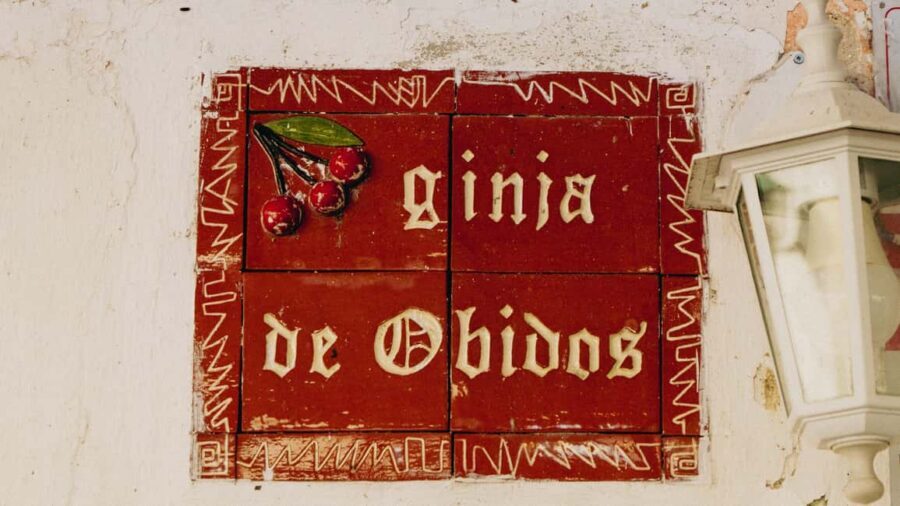
- Ginjinha (cherry liqueur) tasting served the traditional Óbidos way, in a chocolate cup
- Porta da Vila azulejos: those 18th-century tile details you’d miss on your own
- Castle landmarks: the medieval feel is immediate once you’re inside the walls
- Cerca Velha + Paço dos Alcaides: two stops that explain how power and daily life shaped the town
- Guides who teach you how to look: review highlights include Francisco, Marilde (history background), and Xavier
- Optional birdwatching pairing if you want a second, different kind of local experience
Meeting at Porta da Vila: the perfect start point
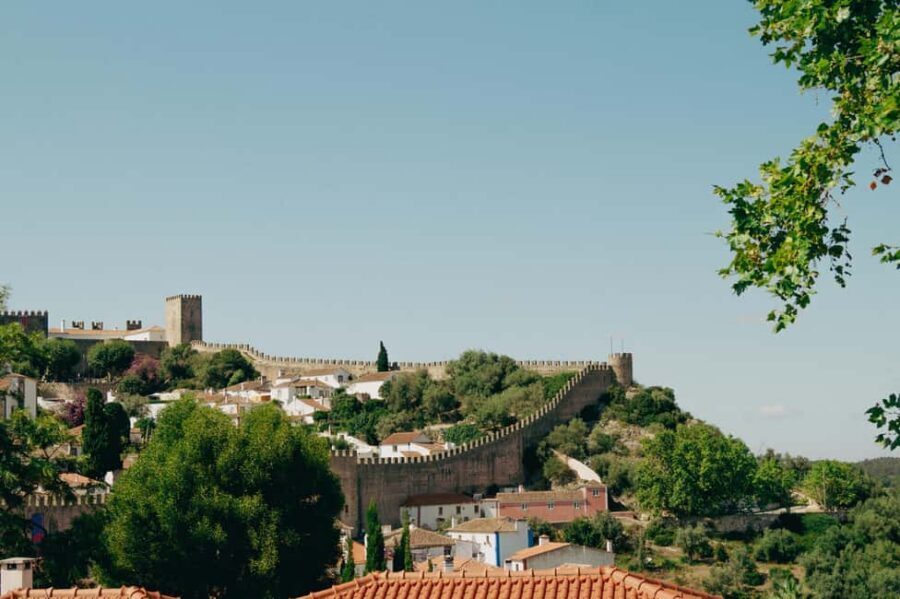
This tour begins at Porta da Vila, which is a smart choice. You start right at one of Óbidos’ most recognizable entry points, so your brain immediately understands the layout: this is a walled town, and everything you’ll see afterward is shaped by that.
Porta da Vila is also where the visual wow happens early. You’ll be looking at the gateway’s 18th-century tiles, which add color and texture to what could otherwise be just a stone entrance. A good guide helps you slow down and actually notice the artwork and placement, not just walk past it.
Practical tip: come wearing comfortable shoes. The streets are cobblestoned, and you’ll be on your feet for a while. If the weather is iffy, bring an umbrella or light rain layer—this runs in all weather.
You can also read our reviews of more guided tours in Obidos

Óbidos on foot with a local guide: what the walk really gives you
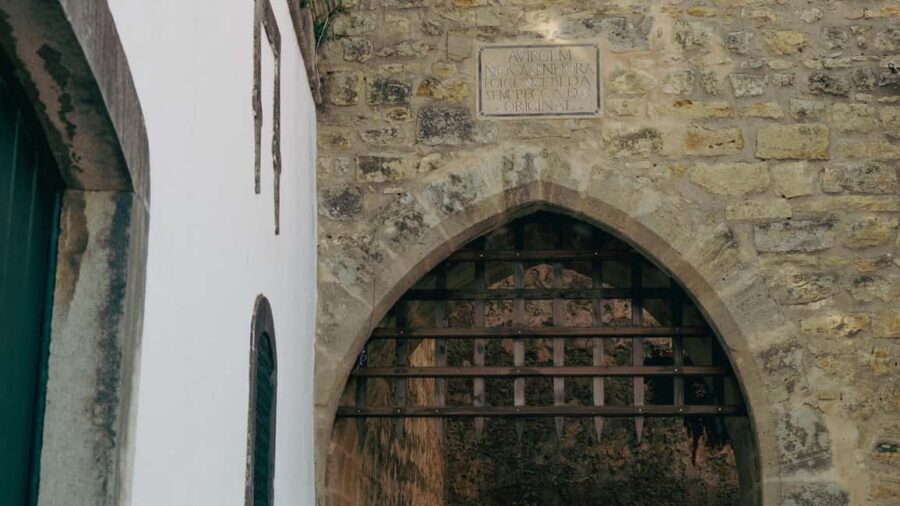
The core of the experience is a guided walk through one of Portugal’s best-preserved medieval towns. On paper, it’s a simple route: you go from the gate into the town, you hit the major landmarks, and then you return to Porta da Vila. In real life, the value comes from the explanations.
You’re not just collecting photos. You’re learning how Óbidos functioned—where authority sat, how the town’s defenses worked, and how the streets evolved into the charming maze you see today. The guide also shares legends and local stories, which helps the town feel like a living place instead of a museum set.
The tour is designed for a private group option, which is a big deal if you want questions answered in the moment. Even with a standard group setup, the reviews consistently praise how professional and friendly guides can be—especially Francisco and Xavier, who are highlighted for clear English and flexibility.
Porta da Vila and the 18th-century tile story
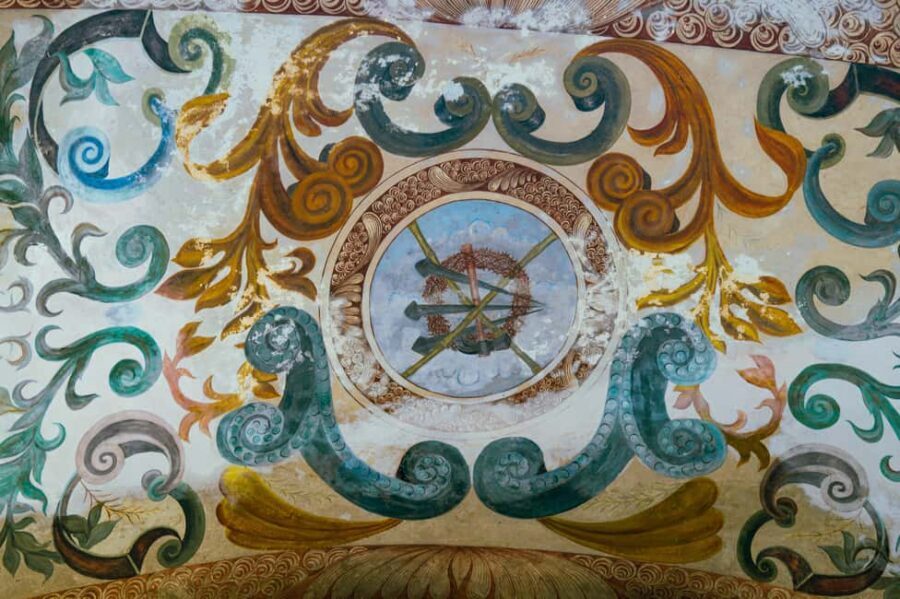
Let’s talk about why this gate matters. Porta da Vila isn’t only an entry. It’s a teaching tool. When your guide points out the azulejo details (Portuguese tilework), you start seeing how Óbidos used art as part of its identity.
You’ll admire those 18th-century tiles and learn what you’re looking at—where it sits, why it’s there, and how it reflects the town’s historical layers. On your own, it’s easy to treat tiles as decoration. With a guide, you start reading them like a timeline marker.
This is also a great emotional start. Many towns feel the same after a few minutes. Óbidos feels distinct right away, and Porta da Vila is where that distinction begins.
The medieval castle area: more than a photo stop
The imposing medieval castle area is one of the most satisfying parts of the walk. It looks dramatic from outside, but when you’re guided through it, you get a clearer sense of how the defenses shaped movement and life.
You’ll see the town’s medieval presence up close, and you’ll also learn what to look for in the surrounding structures. The guide’s job here is to connect stone and placement to function—how walls protect, how streets channel people, and why certain buildings stand out.
A practical note: this portion involves steady walking on uneven surfaces. If you’re carrying a camera bag or you’re planning heavy sightseeing afterward, keep your load light. You’ll enjoy it more if your feet aren’t arguing with you.
Cerca Velha: the town’s older defensive soul
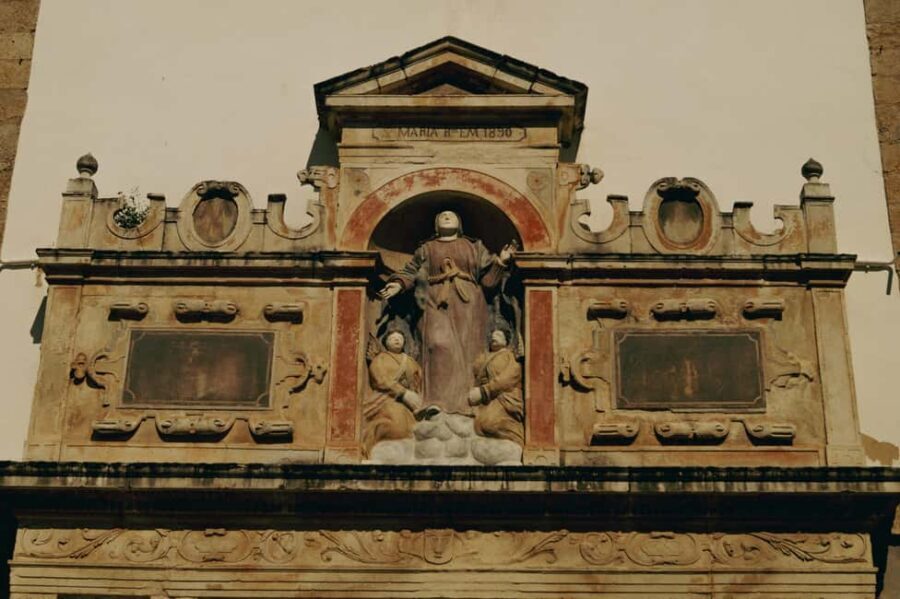
Cerca Velha is where the town’s defensive mindset becomes more than a background detail. Your guide helps you understand the concept of the older walls and the way they shaped the town’s boundaries.
This is one of those stops that can feel abstract if you’re alone. With interpretation, it becomes tangible: you start understanding why certain areas feel enclosed, why routes feel indirect, and why Óbidos has that unmistakable “within the walls” personality.
If you like learning how cities are organized—especially historical ones—you’ll appreciate this part. Even if you don’t care about military architecture, it explains the town’s structure in a way that makes everything else make more sense.




Paço dos Alcaides: where authority shows up in stone
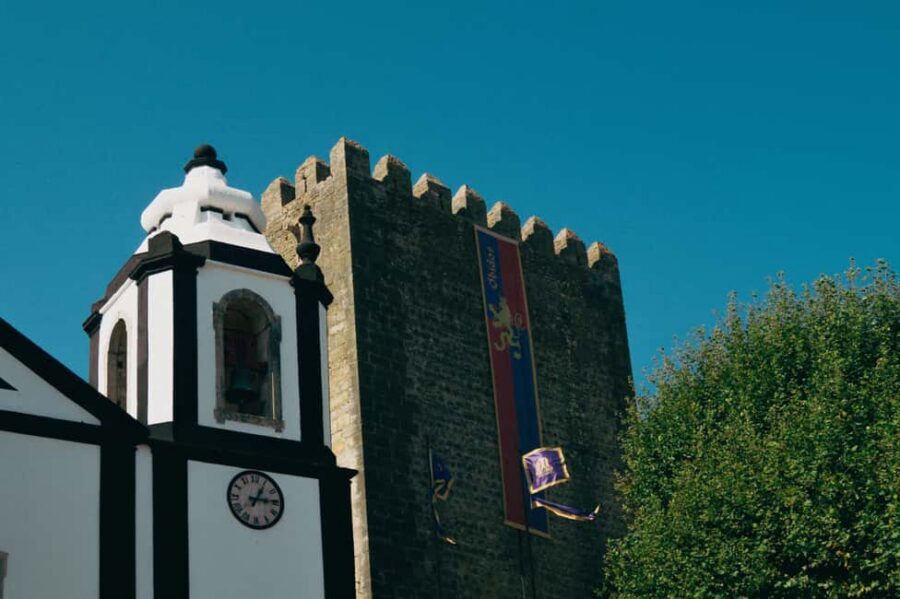
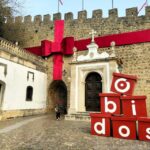
Paço dos Alcaides is the kind of place that changes how you picture the town. Seeing it while listening to the guide’s explanation helps you connect the dots between who held power and how that power was physically represented.
Think of it like this: castle walls are one story. The Paço is another. It’s about governance and presence—how leadership mattered inside the medieval town layout. Your guide’s narrative adds shape to the buildings so you don’t just see a landmark. You understand its role.
This stop is a strong choice if you like the human side of history: how real people likely lived and worked under the structure of medieval rule.
The ginjinha tasting: a classic, and a useful cultural marker
You’ll taste the traditional Óbidos cherry liqueur, ginjinha, served on the spot in a chocolate cup. This isn’t only a sweet souvenir moment. It’s a cultural signal that you’re in the right place.
What I like about including this tasting is that it gives your feet a break without turning the tour into a pause-for-snacks routine. You get a quick, memorable local flavor that also helps you remember the town by something more specific than “beautiful streets.”
Tip: if you don’t drink alcohol, you can still watch the ritual and decide what you feel comfortable with. The tour info clearly frames ginjinha as part of the experience, so plan around that ahead of time.
How long should you plan for: 2 hours of walking, plus real-world time
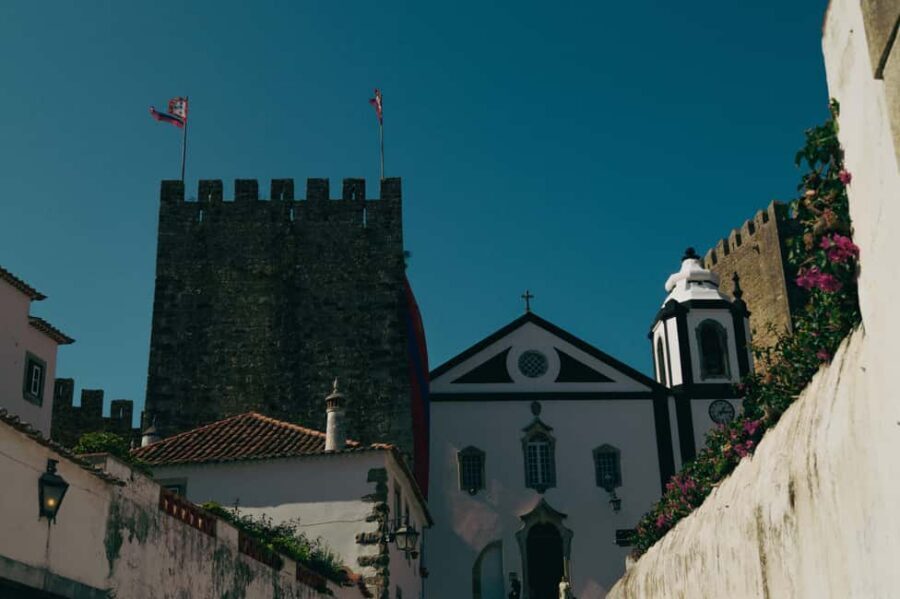
The guided portion is about 2 hours, and the overall experience is listed as 2–4 hours. That means the actual time you’ll spend out and about depends on how the group moves, how questions go, and what pace your guide maintains.
This flexibility is usually a plus in a town like Óbidos. Stone streets don’t move quickly. That said, one review note mentioned that a slower walking pace made the tour feel longer than expected. If you prefer a brisk pace, you can still book, just be aware that the experience is guided on foot and not a speed-run.
My advice: if you want to pack the rest of your day tightly, keep your schedule forgiving. You’ll enjoy Óbidos more when you’re not racing your next plan.
Weather and footwear: small choices that protect your day
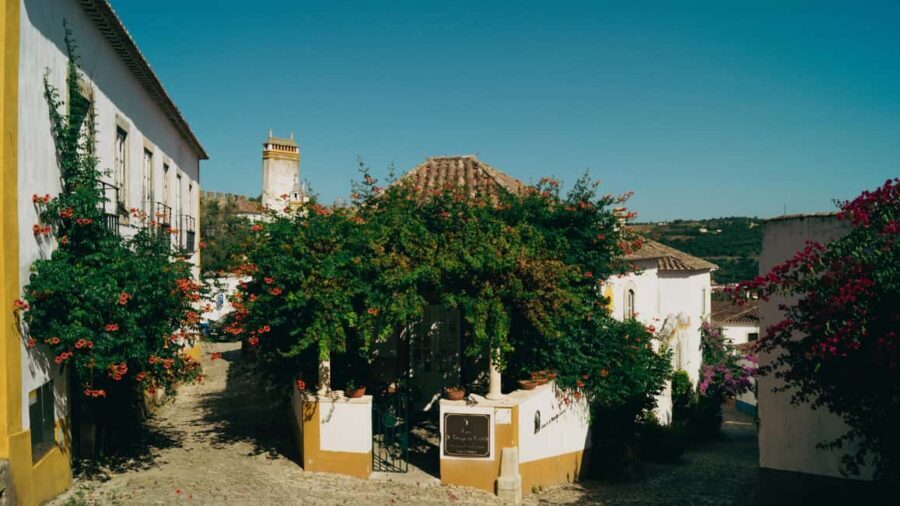
The tour runs in all weather. That’s great because you won’t be stuck waiting for perfect skies. But it also means you should dress like the town’s surfaces will matter.
Bring comfortable walking shoes. Cobblestones can be slick in rain, and even when they aren’t, your ankles will feel it if your footwear isn’t supportive.
If there’s rain predicted, bring an umbrella or raincoat. The tour info is clear on this point, and it’s one of those practical details that can make the difference between a pleasant walk and a soggy one.
Birdwatching pairing with a local biologist: a nice second act
If you’re the type of traveler who wants both culture and nature, this pairing makes sense. You can combine the town walk with a separate 2-hour birdwatching tour led by a local biologist.
Why this works: Óbidos gives you architecture and stories. Birdwatching resets your senses and adds a different kind of local knowledge—one that isn’t about monuments. It’s a good use of time in the same region, especially if you’re visiting with mixed interests.
Just make sure you keep energy in mind. You’ll already walk a lot during the town portion, so plan a longer lunch break between activities if your schedule allows.
What you pay and what you get for your money
The price is listed at $33 per person. For that, you get a knowledgeable local guide and the included traditional ginjinha tasting.
Here’s how I think about the value. In a place like Óbidos, the landmarks can be impressive, but the difference between a good and a great visit is interpretation. This tour includes that interpretation, plus a tangible local taste that’s hard to replicate accurately without being there.
It also runs as a 2-hour guided experience starting at Porta da Vila, which helps you avoid spending your time figuring out what’s important. And since there’s a private group option, you can tailor the experience more easily if you’re traveling with people who like to ask questions.
What you should budget on your side: hotel pickup and drop-off are not included. You’ll need to make your own way to the meeting point at Porta da Vila.
Who this tour suits best
This is a strong match if you want:
- A guided walk that explains Óbidos’ key landmarks instead of just pointing at them
- The chance to try ginjinha in the classic Óbidos style
- A town visit that includes legends and local context
- English or Portuguese guided commentary
It’s not the right fit if:
- You have mobility impairments or you use a wheelchair, since the walking route isn’t suitable based on the tour’s limits
- You can’t comfortably handle cobblestones for the length of the walk
Also, if you like history that feels connected to the streets themselves, you’ll likely enjoy the way stops like Cerca Velha and Paço dos Alcaides are framed.
Booking decision: should you book this Óbidos guided experience?
Yes, I’d book it if you’re trying to see Óbidos with your brain switched on. The combination of Porta da Vila’s tile details, the castle area, Cerca Velha, and Paço dos Alcaides is exactly how you get past the surface-level postcards. Add in the ginjinha tasting and you’ll leave with a memory that’s specific, not generic.
Skip it or rethink it only if you know you can’t manage uneven cobblestones or you strongly prefer a very fast, minimal-walking schedule. Otherwise, this tour is a sensible way to understand why Óbidos earns its reputation as one of Portugal’s best-preserved medieval towns.
FAQ
FAQ
Where does the tour start?
The tour starts at Porta da Vila.
How long is the guided experience?
The guided tour is about 2 hours, and the overall activity is listed as 2–4 hours depending on scheduling and availability.
Is the Óbidos ginjinha tasting included?
Yes. A traditional Óbidos cherry liqueur (ginjinha) tasting is included.
What languages are offered?
The live guide is available in English and Portuguese.
Do I need hotel pickup and drop-off?
No. Hotel pickup and drop-off are not included.
Can I do birdwatching as a separate add-on?
You can pair this with a 2-hour birdwatching experience with a local biologist.