Food and views share the same hill.
Hidden Flavors of the Hillside is a small-group walk that ties Portuguese food to specific places in Mouraria and Graça, from a historic church to a famous viewpoint. The pacing is designed for an afternoon wandering rhythm, with stops that feel made for photos and stopping for a bite, not just for sightseeing.
I especially like the way this tour brings tascas and everyday comfort food into the spotlight, including a mix that can range from traditional to more modern styles. Guides such as Kika, Gisela, and Laura are praised for connecting local flavors to big city context, so you leave understanding why the neighborhood eats the way it does.
One thing to consider: this is a hillside stroll, and it’s listed for moderate physical fitness. If your legs hate climbs, you’ll want to plan footwear carefully and move at a steady pace.
In This Review
- Key things that make this walk worth it
- A 5-hour Lisbon hillside walk built around tastes
- Iglesia Paroquial de Sao Cristovao e Sao Lourenco: start with a bite and a beautiful church
- Jardim da Cerca da Graca: the snack stop that keeps the walk honest
- Praca Martim Moniz: train-station history in the middle of real life
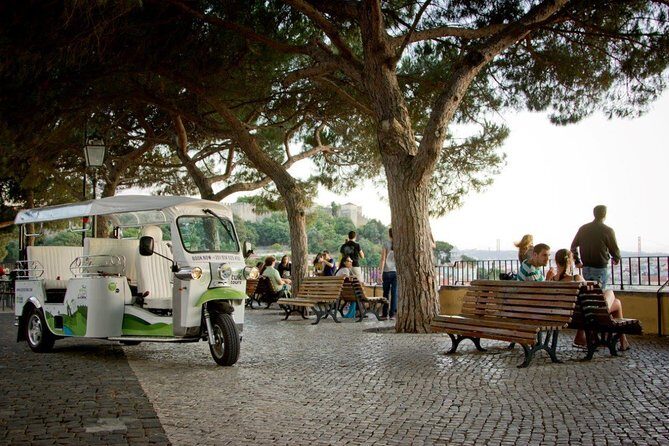
- Miradouro da Graca (Sophia de Mello Breyner Andresen): photo time with a hill climb
- Food that tells you how Lisbon lives
- Guides who connect small bites to big stories
- Where this walk fits in your Lisbon plans
- Who should book Hidden Flavors of the Hillside
- Should you book this Lisbon food walk
- FAQ
- How long is Hidden Flavors of the Hillside: Mouraria & Graça?
- What time does the tour start?
- Where do I meet the group?
- Where does the tour end?
- Is the tour in English?
- Do I need an admission ticket for the stops?
- Is there a food component to the tour?
- What’s the group size?
- Is the walking level difficult?
- What happens if the weather is bad?
- Can I get a full refund if I cancel?
Key things that make this walk worth it
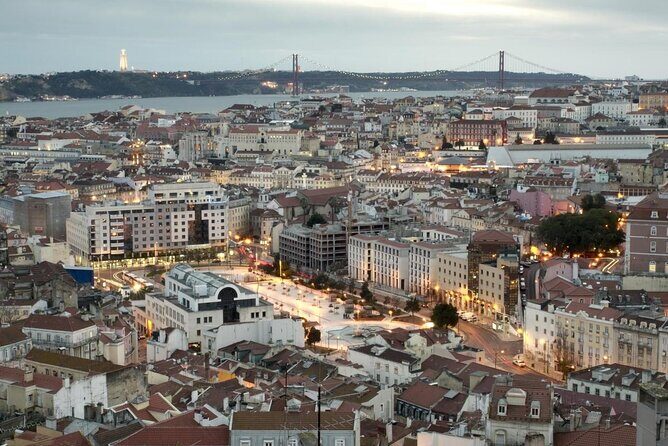
- Igreja Paroquial de Sao Cristovao e Sao Lourenco: a free church stop that kicks off the tasting.
- Jardim da Cerca da Graca: a real snack break inside a calm park pause.
- Praca Martim Moniz: learn the history of the train station area while you’re in the middle of it.
- Miradouro da Graca (Sophia de Mello Breyner Andresen): take photos from a scenic viewpoint right up the hill.
- Small group size (max 7): easier questions, less waiting, more back-and-forth with your guide.
- English mobile ticket: straightforward check-in and a guided afternoon that stays easy to follow.
A 5-hour Lisbon hillside walk built around tastes
This is a 5-hour, English-language food walk in Lisbon for about $150 per person. For the price, what you’re really paying for is tight guidance plus a sequence of stops that pair history and geography with food, so the afternoon doesn’t feel like a string of unrelated errands.
The group stays small, up to 7 people. That matters more than you’d think in Lisbon, where streets can funnel you into tight corners. A small group also makes it easier to ask questions about what you’re eating and where it fits into local daily life.
You start at 2:15 pm at Largo do Correio MorR. de São Mamede, 1100-171 Lisboa, Portugal, and the walk ends in Graça. I like tours with a clear start and finish, because it helps you plan what to do after. Here, you’ll finish in a neighborhood that’s built for lingering, so you can keep your day rolling without a long transfer.
You can also read our reviews of more tours and experiences in Lisbon.



Iglesia Paroquial de Sao Cristovao e Sao Lourenco: start with a bite and a beautiful church
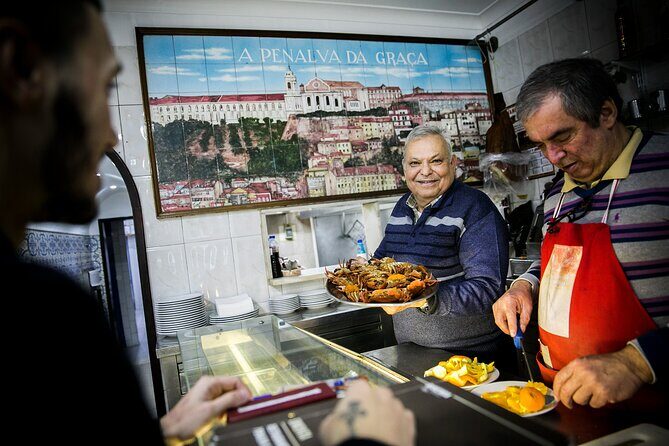
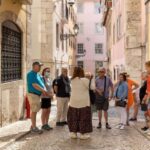
Your first stop is Igreja Paroquial de Sao Cristovao e Sao Lourenco, and the timing is set for a relaxed first landing: about 45 minutes, with free admission. The church gives you a “setting” moment. You’re not just looking at a building; you’re beginning the day with a local landmark that helps you orient yourself in Lisbon’s everyday religious and cultural rhythms.
Then comes the first taste. The tour is built around the idea that food fits naturally into the day, right from the first stop. Starting here is smart because it slows the first moments down. You get into the neighborhood pace before you’re moving again, and it helps you feel less like a tourist doing a checklist.
Practical tip: if you want photos, keep your camera ready when you arrive. Church areas can have bright contrast, especially later in the afternoon.
Jardim da Cerca da Graca: the snack stop that keeps the walk honest
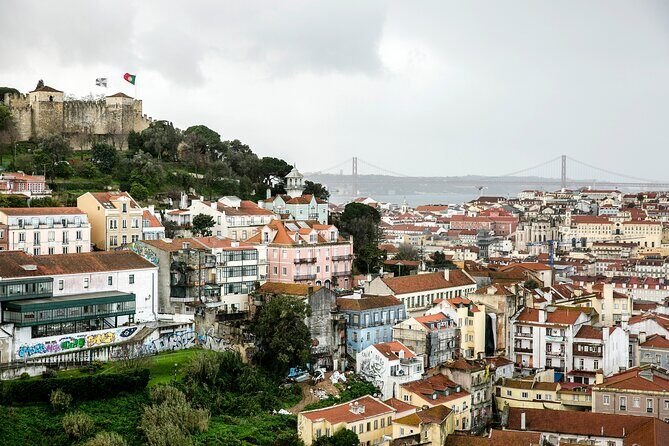
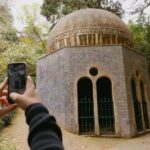
Next you head to Jardim da Cerca da Graca for a snack, again about 45 minutes with free admission. This is the kind of pause that makes the whole day feel doable. Lisbon hills and old streets add up, and the park stop is a built-in reset: sit for a bit, eat something, and let your feet recover while you look around.
What I like about this stop is the balance. It’s not a long museum break, and it’s not another fast “stand here, take a picture, move on” moment. You’re in a garden setting, which makes the food feel less like fuel and more like part of the landscape of the neighborhood.
If you’re sensitive to crowds, parks also tend to be calmer than the street corridors. Even in a small group, this is a nice place to breathe.
Praca Martim Moniz: train-station history in the middle of real life
At Praca Martim Moniz, the focus shifts from a quiet pause to a more active, central-feeling spot. You spend about 1 hour here, and the big story is the history of the Praca Martim Moniz train station area.
Why does that matter for a food tour? Because station neighborhoods tend to shape what people eat and where they gather. This tour uses the station history as a thread, so your tastings connect to movement, local routines, and how Lisbon shifts through daily arrivals and departures.
You also get time for bites here. The tour description frames it as the chance to take in history and maybe enjoy a few more flavors before you climb again for the next viewpoint.
Practical tip: this is a good moment to ask your guide about pacing. If you’ve started to feel hungry in waves, the station stop is a logical place to take your time rather than rushing your way through the rest of the afternoon.
Miradouro da Graca (Sophia de Mello Breyner Andresen): photo time with a hill climb
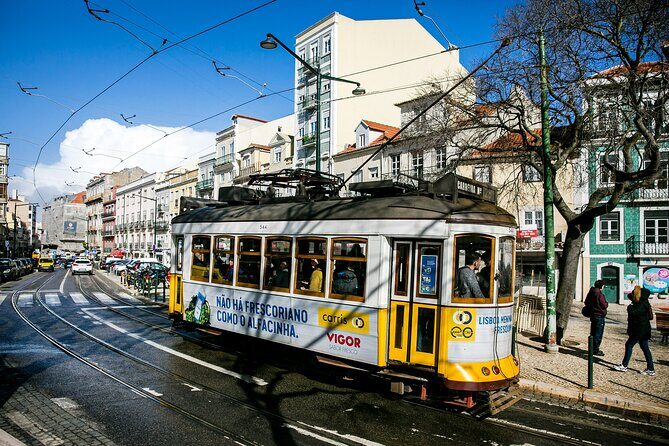
Then you head to Miradouro da Graca (Sophia de Mello Breyner Andresen). It’s listed as about 45 minutes and is set up for photos. The description notes that the viewpoint area is right up the hill from this scenic spot, so you should expect some climbing energy here.
This is the moment when the walk earns its nickname: hillside views. You’re not stuck photographing facades only. You’re gaining perspective on where you’ve been—streets, layers of Lisbon, and the idea that neighborhoods in this city don’t feel “flat.” They feel stepped and connected.
I like ending on a viewpoint because it gives your brain a place to “file” the day. After you’ve been eating and listening, it’s nice to visually place it all. You’ll also appreciate finishing with momentum, since you end in Graça.
Photo tip: keep your phone or camera protected when you’re walking uphill. This sort of viewpoint stop can feel exposed to wind, and you’ll want both hands free when you’re navigating steps.




Food that tells you how Lisbon lives

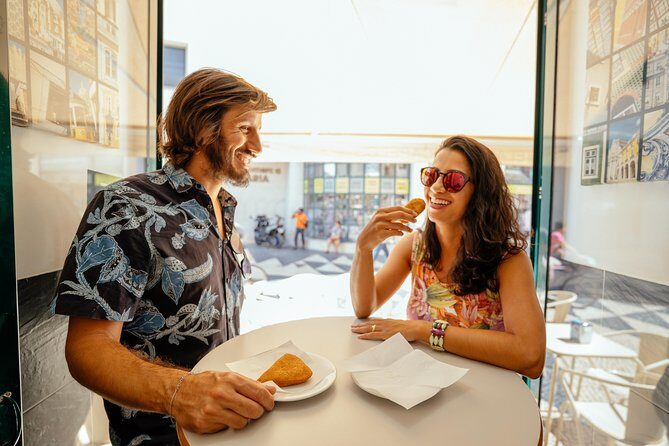
This tour isn’t just about seeing landmarks while you snack. It’s about Portuguese food culture through tastings. In the guide style you’ll encounter, food is explained as something tied to daily comfort, not food-as-performance.
From the variety described, you may encounter classic tascas, plus a modern or fusion-leaning tasca stop. Some guests describe the flow as feeling like lunch, dinner, and snacks stretched into one afternoon. Even if you don’t think in those categories, the design clearly aims for a satisfying amount of eating, not just a small “sample and go.”
One of the most practical strengths: the tour includes welcoming hosts at stops who can accommodate food restrictions. That’s a big deal on a food walk, because nothing ruins an afternoon like guessing what will be safe to eat.
What to do before you go: don’t arrive stuffed from a big meal. At the same time, don’t arrive on empty, either. A light pre-lunch helps you enjoy everything without feeling you need to force your way through the last tasting.
Guides who connect small bites to big stories
What consistently pops is how guides handle the storytelling. Kika, Gisela, and Laura are highlighted for being warm, energetic, and able to connect neighborhoods and Portugal context to what’s on the table.
I like this approach for two reasons. First, it makes tastings feel meaningful instead of random. Second, it teaches you how to look at Lisbon when you leave the tour—like noticing how a street, station area, or church fit into the way people gather and eat.
Pacing matters too. The reviews emphasize organization and a rhythm that doesn’t feel rushed. With a small group, that pacing helps everyone stay together and actually hear the stories, rather than just get swept along.
And there’s an emotional upside you’ll feel in the group dynamic. Multiple comments describe that friendly, family-like welcome at the tascas, plus the confidence that comes from knowing you’re not expected to be a food expert to enjoy the experience.
Where this walk fits in your Lisbon plans
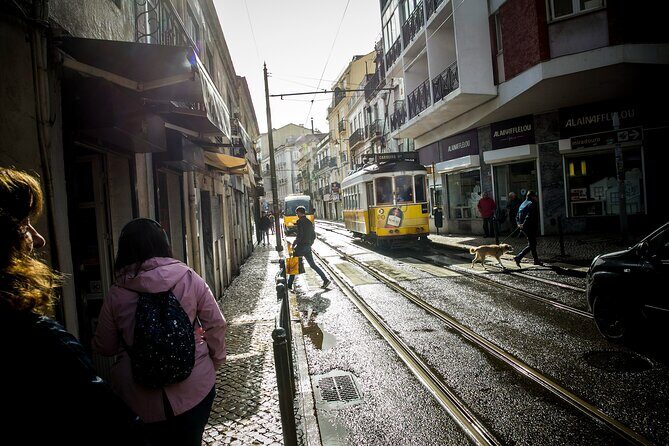
Because the tour starts at 2:15 pm and runs around 5 hours, it works well as a mid-to-late day anchor. You’ll have time afterward for dessert, a drink, or a relaxed walk in Graça without needing to rush to another far-off neighborhood.
It also helps that it’s near public transportation. That means if you’re starting your day in another part of Lisbon, you can get here without a big logistical headache. The end in Graça can also be a gift. You’re finishing in an area where it’s natural to keep exploring on foot.
Shoe advice is the unglamorous truth here. Moderate fitness is listed, and the viewpoint climb is part of the experience. Wear supportive shoes and take your time on uphill segments. You’ll enjoy the viewpoints more when you’re not out of breath.
If you want a smooth day, keep your evening plans flexible. Food tours can run a little slower when conversations at a stop turn lively, and that’s part of the point.
Who should book Hidden Flavors of the Hillside
This is a strong fit if you fall into one of these buckets:
- You like Lisbon food culture, especially Portuguese tascas and comfort-style dishes, and you want the why behind what you’re tasting.
- You enjoy history that connects to daily life, like the train station stories at Praca Martim Moniz, not just dates on a plaque.
- You want a small group experience where it’s easy to ask questions and feel comfortable stepping into places that might feel intimidating at first.
- You’re traveling with a foodie mindset and you want a tour that feels authentic, with welcoming hosts and a mix that can include both traditional and modern styles.
It’s less ideal if you’re mainly chasing big-ticket sights and you hate walking. This tour is about neighborhoods, stops, and flavor sequencing. If your ideal day is fast check-in sightseeing with long pauses in between, you may prefer a more segmented option.
Should you book this Lisbon food walk
Book it if you want a guided Lisbon afternoon that mixes tastings, neighborhood context, and real stopping points for views and snacks. The small group size, the emphasis on Portuguese food culture, and the guide-driven storytelling are the big reasons it works.
Hold off if climbing and standing for stretches is a challenge for you. The route includes hillside walking and a viewpoint moment, so comfort matters. If you can handle moderate walking, though, this is a very practical way to get beyond the obvious and start understanding how Lisbon eats.
If you’re coming for your first or second day in town, this kind of tour can also help you navigate food choices for the rest of your trip, because it teaches you what to look for when you’re choosing where to eat next.
FAQ
How long is Hidden Flavors of the Hillside: Mouraria & Graça?
It lasts about 5 hours.
What time does the tour start?
The start time is 2:15 pm.
Where do I meet the group?
You meet at Largo do Correio MorR. de São Mamede, 1100-171 Lisboa, Portugal.
Where does the tour end?
The tour ends in Graça, Lisbon.
Is the tour in English?
Yes, it’s offered in English.
Do I need an admission ticket for the stops?
The stops listed include free admission, and the church stop specifically notes admission ticket free.
Is there a food component to the tour?
Yes. The tour highlights include bites at the church and other stops, plus a snack at Jardim da Cerca da Graca.
What’s the group size?
The tour has a maximum of 7 travelers.
Is the walking level difficult?
It’s listed for travelers with a moderate physical fitness level.
What happens if the weather is bad?
The experience requires good weather. If it’s canceled due to poor weather, you’ll be offered a different date or a full refund.
Can I get a full refund if I cancel?
Yes. You can cancel up to 24 hours in advance for a full refund.