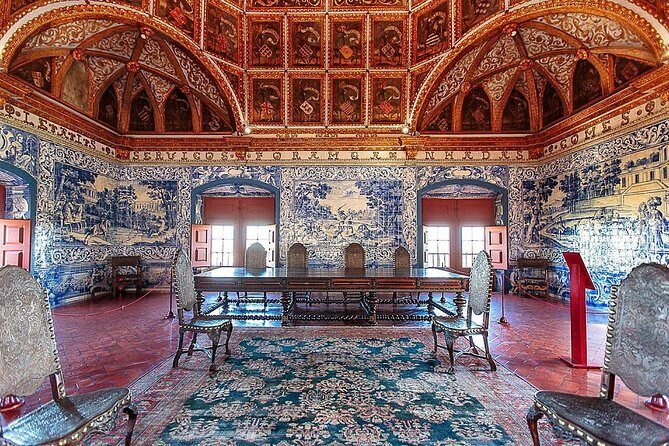
Lisbon’s tiles look different up close. This day turns azulejos from background decoration into hands-on craft, starting with a smooth drive out of town and ending with self-paced time at the National Tile Museum. The best part is the workshop in Azeitão, where you paint your own tile and can have it shipped.
I love how the day uses the whole region: you’ll see tile styles on real buildings around Lisbon, then connect those patterns to how they were made and why they took root in Portugal. I also like that round-trip transfers keep your day calm and efficient, with hotel pickup and WiFi in the van.
One thing to plan around: lunch is not included, and the take-home tile option can mean shipping logistics and timing you should think about early in your trip.
In This Review
- Tiles And Tales: The Real Point Of A Tile Day In Lisbon
- Key Highlights Worth Booking
- Crossing The 25th Of April Bridge And Starting With Lisbon Views
- Drive Through Lisbon Tile Styles Before You Go Workshop Mode
- Azeitão Workshop: Painting Your Own Tile Like A Local Craft Day
- Shipping Your Tile: A Useful Souvenir With Timing To Plan
- National Tile Museum: Time Enough To See, Not Just Race
- Lunch In Sesimbra Or Lisbon: Choose Ocean Views Or City Comfort
- What The Whole Day Actually Feels Like (And Why People Love It)
- Price And Value: Is $102.12 A Fair Deal?
- Who Should Book Tiles And Tales (And Who Might Not)
- Quick FAQ For Planning Your Day
- FAQ
- How long is the Tiles and Tales workshop and museum experience?
- Do you pick me up from my hotel in Lisbon?
- Where is the tile-making workshop?
- Can I paint my own tile?
- Is lunch included?
- Are children allowed?
- Should You Book This Tour?
Tiles And Tales: The Real Point Of A Tile Day In Lisbon
If your Portugal travel list is full of viewpoints and churches (a totally normal thing), this is a smart counterweight. Tiles in Lisbon are everywhere, but most tours only point and move on. This one is built to help you understand what you’re looking at—from the ideas behind the designs to the practical steps of making and painting.
The day starts with travel, not museum lines. You cross the 25th of April Bridge, which is one of those rare routes that feels like a moving panorama. On a clear day, the views stretch across the city in two directions, giving you a fast sense of where neighborhoods sit and how spread-out Lisbon really is.
From there you head south to the Azeitão area for the workshop. You’re not just watching artisans work from behind glass—you get to paint a tile that you can ship later. That small act does something big: it turns pattern appreciation into something personal, so the museum stop later feels like you’re reading a language you already learned the basics of.
Here’s the balanced take. This is a great day if tiles are your main interest, or if you love craft and want a break from classic sightseeing. It’s less ideal if you’re expecting a full “make the entire tile from raw material” experience. In practice, the workshop experience centers on painting your own piece while the studio manages the rest of the process.
Key Highlights Worth Booking
- Hands-on tile painting in Azeitão: you make your own azulejos-style tile and can arrange shipping.
- Real Lisbon facade tile spotting: the drive includes examples you’ll recognize later in the day.
- National Tile Museum time at your pace: history and preserved antique tiles with room to wander.
- Hotel pickup and drop-off with WiFi: calmer logistics in a day that would otherwise be long.
- Lunch flexibility between Sesimbra and Lisbon: you can choose the vibe, not just accept whatever comes first.
- English-speaking guide options: guides like Nuno, Tiago, Philip, Ariana, and Raquel are listed by name in the experience feedback.
Crossing The 25th Of April Bridge And Starting With Lisbon Views
This tour is scheduled to start at 9:00 am, with pickup from your hotel or apartment. If you’re staying near the port or arriving by airport, pickup can include those spots too. In some parts of Lisbon, vehicles can’t reach door-to-door, so you might need to meet at a nearby location. Either way, the goal is simple: reduce the friction so you actually enjoy the morning.
The first “stop” is the 25th of April Bridge ride itself. It’s not just a transfer. It’s your quick orientation lesson. From the bridge, Lisbon opens up visually—east and west views that let you see how the city is laid out. That matters later, because when your guide points out tile work on buildings, you’ll start linking what you see to where you’re standing in the city.
A small but practical point: because this is a full day (about 8 hours), starting early helps. You get the best chance at good daylight for views and for spotting tile patterns on facades as you drive.
Drive Through Lisbon Tile Styles Before You Go Workshop Mode
One of the most fun parts of the day is the in-transit lesson. Your guide points out notable tile work on exteriors as you move around Lisbon. This is where azulejos stop being “pretty walls” and become a visual map of Portuguese influences and changing styles.
The workshop region (Azeitão) is tied to the story of how tile traditions developed in the Iberian Peninsula, starting with major historical waves like the Arabic occupation. You don’t need a history degree to follow along. The guide connects patterns and techniques you’ll see later, so the National Tile Museum doesn’t feel like a random follow-up.
If you’re lucky with your guide, you’ll notice how they tailor the day. Several named guides—Nuno is a frequent favorite, but Tiago, Philip, Ariana, and Raquel also appear—are described as conversational, patient, and eager to explain. You can ask questions as you go, and that’s a big part of why people rate this so highly.
Azeitão Workshop: Painting Your Own Tile Like A Local Craft Day
The workshop stop is in Azeitão at Azulejos de Azeitão, one of the well-known tile workshops in Portugal. The time you get there is about 2 hours, and admission for this part is listed as free for the experience.
What you should expect: you learn about tile-making traditions, then you paint your own tile. The workshop staff sets you up with what to paint and how to handle brushes and glazes. Your goal is a finished piece you can keep—and if you choose the shipping option, it can travel home.
This is where the experience is strongest for many people: you don’t just learn facts, you get the muscle memory of the craft. Even if you’re not an art person, painting a tile gives you a new way to look at designs afterward. You start noticing the difference between patterns meant for distance and those meant for close inspection.
A practical note from the way people describe the day: this is a painting experience more than a full “from-clay-to-finished-tile” factory tour. The studio handles major steps around finishing and firing. If you arrive expecting to make every stage yourself, you may feel slightly less hands-on than you imagined. Still, painting your piece and understanding the workflow up close is the core value here.
Shipping Your Tile: A Useful Souvenir With Timing To Plan
You can ship your painted tile to your hotel or home. That’s a major reason this day feels like more than a museum ticket.
The catch: shipping needs planning. One review detail mentions tiles being sent to a Lisbon drop-off location with a front desk and that turnaround time can be at least a few days. If you’re leaving the country quickly, you may need an extra shipping method and fee (for example, upgrading to a courier option). If you like certainty, schedule this workshop earlier in your trip, not at the last minute.
If you’re not sure where to receive it, ask questions during the workshop process. Clarify where they can deliver it and what the timeline looks like for your exact dates.
National Tile Museum: Time Enough To See, Not Just Race
After the workshop, you head back toward the city. The National Tile Museum stop is about 1 hour 30 minutes. You get admission without an extra ticket cost listed in the experience info, and you can explore at your own pace.
This museum is where the patterns start to click. You’ll see tile history presented clearly, and you’ll also get to admire antique and well-preserved tiles. The value here isn’t just seeing old objects—it’s seeing how styles evolved and how different eras used tiles for storytelling, decoration, and identity.
In an ideal world, you’d spend longer. But 1.5 hours is still plenty if you treat it like a guided sampler: pick a few sections that match what you just painted, then let the rest provide context. Your guide can point out what to focus on, and then you can wander when you want.
One practical consideration: museum hours can affect how much you can see in the last portion of the day. If you tend to hate rushing, it’s smart to keep your expectations realistic when the tour timing is tight.
Lunch In Sesimbra Or Lisbon: Choose Ocean Views Or City Comfort
Lunch is not included, but the tour builds in flexibility. You can stop for lunch either in Sesimbra (a fishing village) or back in Lisbon, depending on what works best with the day’s flow and your choices.
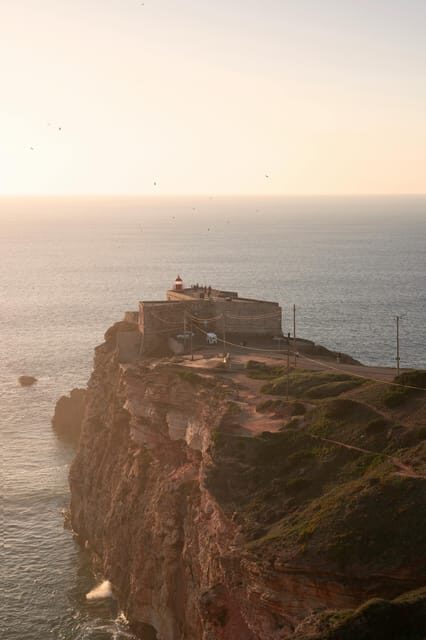
Sesimbra is the one many people talk about, especially for the ocean outlook. If you take the Sesimbra option, you’re trading city tiles for coastal air and seafood-friendly meals. One person also highlights that the guide recommended a seafood dish and that it hit the spot.
If you prefer a more predictable experience, lunch back in Lisbon can be easier logistically—shorter changes of plan, fewer variables, and more choice nearby.
Either way, bring a plan. Since lunch isn’t included, you’ll want a little budget and a little flexibility. Your guide can help you find a good option, but you’ll make the final call.
What The Whole Day Actually Feels Like (And Why People Love It)
This tour works because it balances three things:
1) Seeing tiles on the street
You start with real facades and real patterns in Lisbon, which helps your brain stop treating azulejos as background scenery.
2) Making a tile
Painting your own piece turns the museum later into something you can recognize, not just admire.
3) Time to look
The National Tile Museum stop isn’t just a checklist. You get room to move at your own pace.
That combination is exactly why you’ll see repeated praise tied to guides. People mention Nuno as especially passionate and patient. They also point out that guides like Tiago and Raquel bring their own art-focused angle—Raquel, for example, is described as having a degree in fine arts.
And there’s another practical win: the van. WiFi and bottled water are included, and pickup/drop-off keeps you from spending your day fiddling with transit.
Price And Value: Is $102.12 A Fair Deal?
At $102.12 per person, this sits in the “worth it if you care about the theme” category. Here’s how to think about value.
You’re paying for:
- hotel pickup and drop-off
- a guided drive that includes tile spotting around Lisbon
- a workshop experience in Azeitão with painting your own tile
- admission listed as free for the National Tile Museum and the workshop ticket details
You’re not paying for:
- lunch and drinks
So the real question is: will you use the workshop? If you’re excited about painting and want a take-home souvenir (with the option to ship), this price can feel like good value. If you’re mainly interested in museum walls and don’t care about making anything, you might question whether a simpler museum-focused outing would cost less.
Also, it helps that the experience is described as private, meaning only your group participates. That usually raises costs compared to standard group tours, but it also raises the odds you’ll ask questions and get a more flexible day.
Who Should Book Tiles And Tales (And Who Might Not)
This is a strong match if:
- you’re fascinated by Lisbon’s azulejos
- you want an activity day that isn’t just walking
- you like craft and would enjoy making something small but real
- you want a guided explanation while still having time to wander the museum
It might not be your best bet if:
- you need lunch included in the price (it isn’t)
- you’re traveling with strict timing and can’t plan around tile shipping
- you expect a full “manufacturing from scratch” experience rather than painting a finished tile format
Quick FAQ For Planning Your Day
FAQ
How long is the Tiles and Tales workshop and museum experience?
It runs for about 8 hours, starting at 9:00 am.
Do you pick me up from my hotel in Lisbon?
Yes, hotel or apartment pickup is offered, and pickup can also include the Port or the Airport. In some areas, you may need to meet at a nearby location where the vehicle can reach.
Where is the tile-making workshop?
The workshop is in the Azeitão region, at Azulejos de Azeitão.
Can I paint my own tile?
Yes. You’ll learn about tile-making and have the chance to paint your own tile.
Is lunch included?
No. Lunch and drinks are not included, but lunch location can be flexible between Sesimbra and Lisbon.
Are children allowed?
Children can participate, but they must be accompanied by an adult.
Should You Book This Tour?
If tiles are even a little high on your “must see” list, I’d book it. The workshop makes the theme hands-on, the bridge ride and drive give you quick orientation around Lisbon, and the National Tile Museum stop is timed so you can actually look instead of sprint.
Just book with two practical expectations: plan for lunch on your own, and if you want shipping for your painted tile, don’t treat it like an afterthought. Do the workshop earlier in your trip so you’re not stressed about timing.