REVIEW · COSTA DA CAPARICA
Lisbon: Surfing Lesson on Costa de Caparica Beach
Book on GetYourGuide →Operated by SurfChamp SurfSchool · Bookable on GetYourGuide
Your first wave is the goal. This Lisbon-area surf lesson on Costa de Caparica is set up for real beginners: you get basics on the sand, then you head into the water with a certified instructor. I especially like the small group (max 6), which means less waiting and more hands-on feedback, and I like the steady coaching style you’ll see in lessons led by instructors such as Sandro. One thing to plan for: transportation isn’t included, so you’ll need to get yourself to the meeting point in the parking lot.
In about 3 hours, you’ll move from meeting the instructor to wetsuit-and-board setup, a safety briefing, practice time, and a final stretch so your body feels human afterward. You’ll finish with a sweet reward that’s become a memorable part of the experience for many people.
What really makes this feel like good value is that you’re not paying just for time on a board. You also get insurance, a Portuguese Surfing Federation certificate, and equipment included, which helps you show up ready and focused instead of improvising at the beach.
In This Review
- Key highlights worth your attention
- Costa de Caparica: the Lisbon surf setting that fits beginners
- Getting there: finding the Estacionamento meeting point
- Gear-up and sand fundamentals before the first wave
- In the water with small-group coaching that actually corrects you
- Stretching, certificates, and the sweet reward that ends the day right
- Price, value, and what to bring for Costa de Caparica
- Should you book this Lisbon surfing lesson?
- FAQ
- How long is the surfing lesson?
- Where is the meeting point?
- Do they provide the surfboard and wetsuit?
- Is transportation included?
- What languages do the instructors speak?
- Is this lesson for beginners?
Key highlights worth your attention
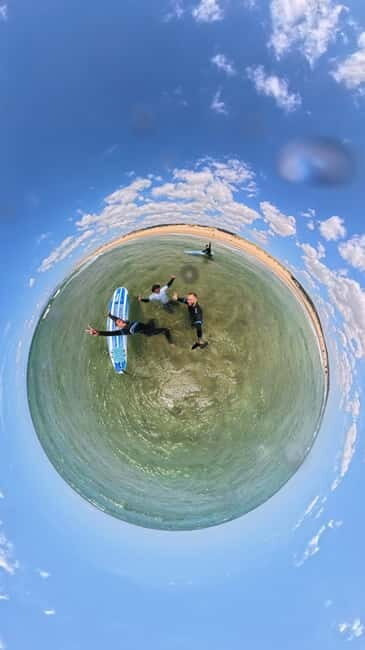
- Small group guarantee (up to 6 people) for more coaching per minute
- Beginner-first teaching: sand drills before you go into the waves
- Safety and insurance included, plus a structured safety briefing
- Certified instruction with federation certificate for a legit, organized lesson
- Sweet reward at the end, with pastéis de nata showing up often
Costa de Caparica: the Lisbon surf setting that fits beginners
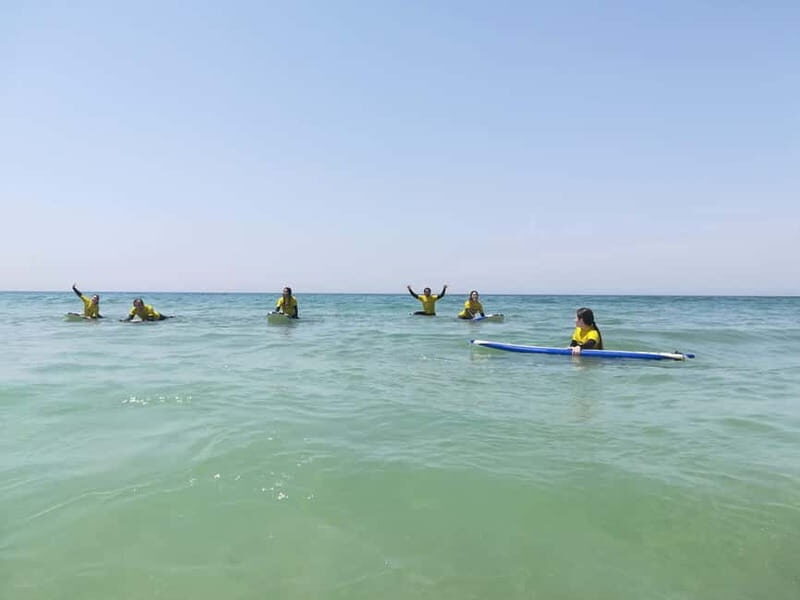
Costa de Caparica is one of the best places to learn near Lisbon because it gives you a “training beach” feel. You’re close to the city, but the tone is still beachy and relaxed. For a first lesson, that matters: you want calmer moments to learn positioning, balance, and how to read the wave without feeling like you’re in a crowded, high-pressure competition.
The lesson is built around pacing. You start with the surf basics on land, then you move into the water only after you’ve handled the equipment and gotten your bearings. That order is a big deal for beginners. It reduces the panic factor when the board hits the sand-to-water transition, and it helps you understand what your instructor is asking you to do.
Another plus is how the coaching is described: patient, hands-on, and focused on technique corrections. People consistently talk about instructors taking time to explain steps without rushing. You’ll likely notice the difference immediately if you’ve ever tried learning from a friend who’s good at surfing but not at teaching.
One more real-world note: conditions can vary. On some days after rain, waves can be bigger, and you still want to feel protected and guided rather than tossed into chaos. The lesson format here is designed for safety, so you’re not left to figure it out on your own.
You can also read our reviews of more tours and experiences in Costa Da Caparica

Getting there: finding the Estacionamento meeting point
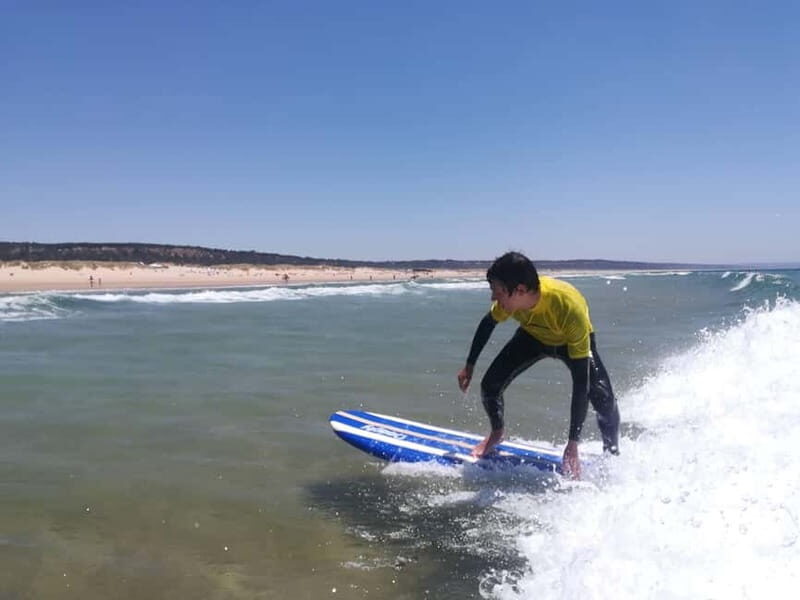
This lesson has a simple meeting setup, but it’s on you to arrive on time. The meeting point is in a parking lot called Estacionamento. Look for a grey Peugeot van, because that’s how you’ll spot the surf team before you head onto the beach.
Transportation isn’t included. That means your biggest logistics task is timing. If you’re driving, factor in traffic on the way out, since getting to the beach area can take longer than you might guess. If you’re relying on local transit, plan extra buffer time so you’re not stressed when you pull up.
This is also why I suggest showing up with the right mindset. You’re not just booking a “thing to do.” You’re arriving to a scheduled training flow: wetsuit and board prep, safety briefing, sand practice, then waves. Being late can cut your practice time, and beginners lose confidence fast when the day feels rushed.
Gear-up and sand fundamentals before the first wave
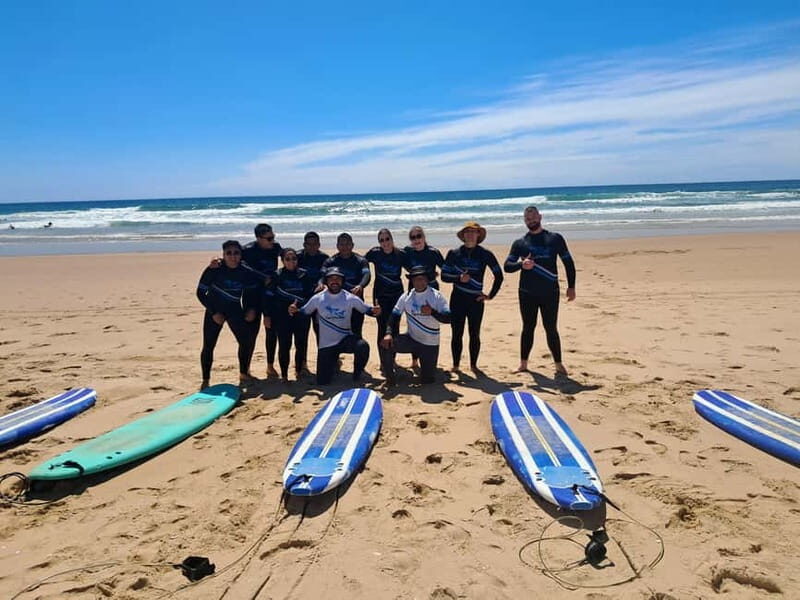
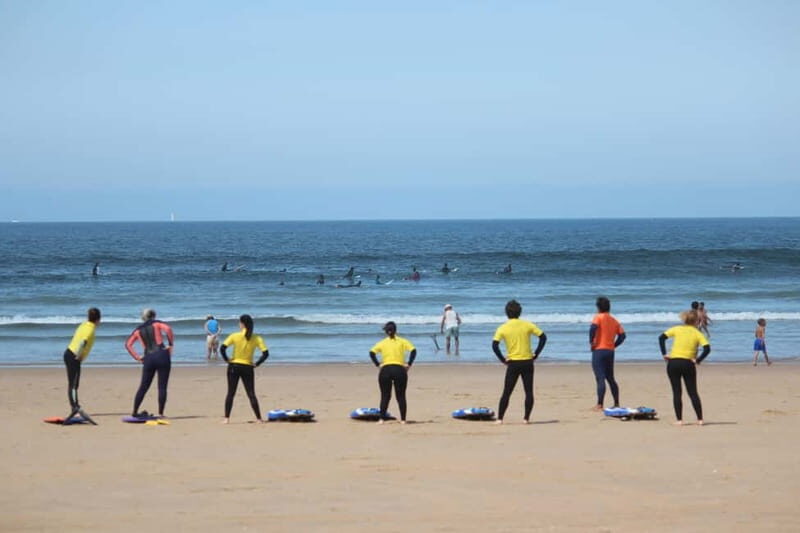
Once you find the van, the lesson starts fast and organized. You’ll be kitted out with a wetsuit and a surfboard, and then you’ll do the early-stage learning on the beach itself. Before you’re ever in the water, you’ll get a sense of how the board works and how to position yourself.
This is where you build the basics that later turn into actual rides: stance, balance, board control, and how to move when you’re not yet using your arms like you mean it. Doing this on sand helps because you can repeat movements without the added difficulty of waves and currents.
You’ll also get a safety briefing. That part matters for first-timers. Surfing is physical, and water has its own rules. A real briefing sets expectations so you understand how to listen for instructions, how to avoid getting in each other’s way, and how the lesson will be paced.
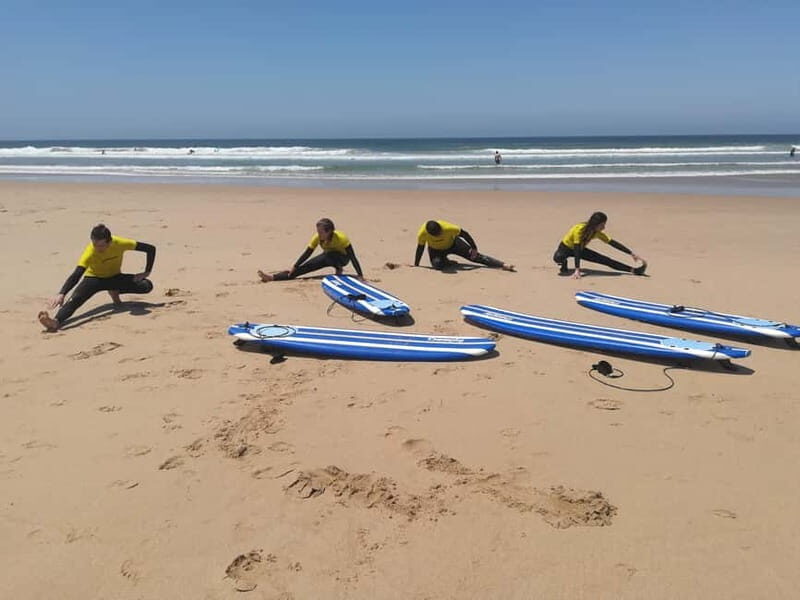
Expect warm-up and some guided stretching too. The goal is not just to “surf until you collapse.” It’s to leave with usable technique and a body that can walk after the salt and cold wear off.
A small practical tip from the vibe of the day: sand can feel brutally hot. If you can, bring sandals or something easy for walking between gear and water so your feet don’t get cooked.
In the water with small-group coaching that actually corrects you
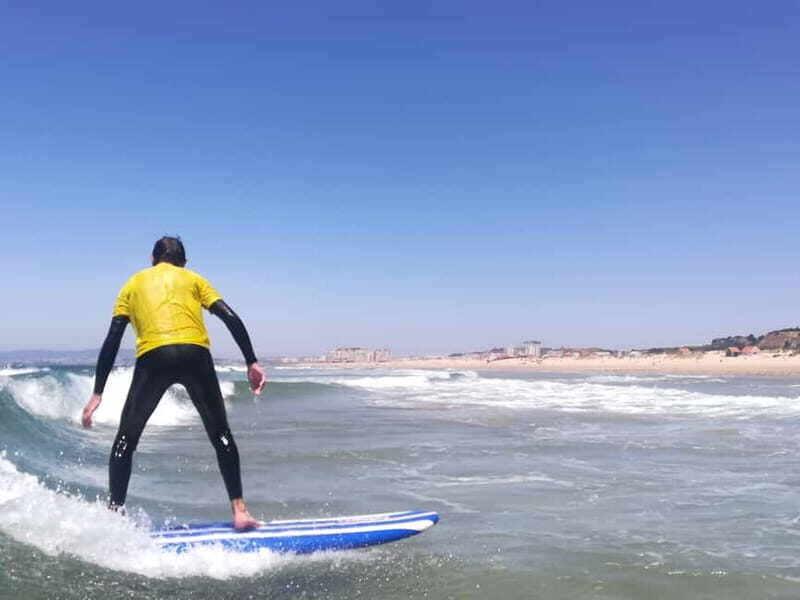
The biggest promise here is practical: small group surfing with personalized attention. With a maximum of 6 participants, you’re not waiting your turn while the instructor helps one person for 45 minutes. You’ll get more frequent feedback, and you’ll often get technique corrections while you’re still fresh enough to apply them.
That feedback style is repeatedly described as patient and attentive. In particular, instructors like Sandro are known for staying hands-on, watching your posture and mistakes, and giving pointers without snapping the energy. The coaching isn’t just “try again.” It’s targeted: what to adjust, how to adjust it, and when to attempt the next step.
This also affects confidence. Beginners can sometimes freeze once they’re told to paddle or pop up. In this setup, you’re guided through a comfortable progression. You’ll usually start with simpler attempts, then build toward standing and catching more waves as the session continues.
And you won’t be competing for every wave. The lesson is structured so you can learn without feeling like you’re in a race with strangers. That’s a huge mental win. Surfing is hard enough on day one; it shouldn’t also be socially stressful.
One more value piece: when people describe feeling “guarded” in rougher conditions, that’s exactly what you want from a guided beginner lesson. You’re there to learn wave timing and body position with safety in mind, not to prove toughness.
Stretching, certificates, and the sweet reward that ends the day right
The lesson doesn’t just stop at standing up. You’ll also finish with stretching exercises, which helps a lot if you’re not used to how surfing taxes your legs and core. It’s a small part of a 3-hour day, but it changes how you feel afterward—less stiff, more able to enjoy the rest of Lisbon.
You’ll also receive a Portuguese Surfing Federation certificate. For some people, that’s just paper. For others, it adds reassurance that the school is legit and the instruction is formal enough to be documented.
Then there’s the part that keeps getting mentioned: the sweet reward. Pastéis de nata show up as an end-of-lesson treat in many cases, and it turns the session from a standard activity into a more personal, local-feeling moment. Even if you’re not a sweets person, it’s a nice touch that makes the day feel finished, not abruptly cut off.
If you want to take this further, private lessons are available on request. That can be a good fit if you’re going as a couple, you want more time with the instructor, or you want a faster route to improvement once you’ve learned the basics.
Price, value, and what to bring for Costa de Caparica
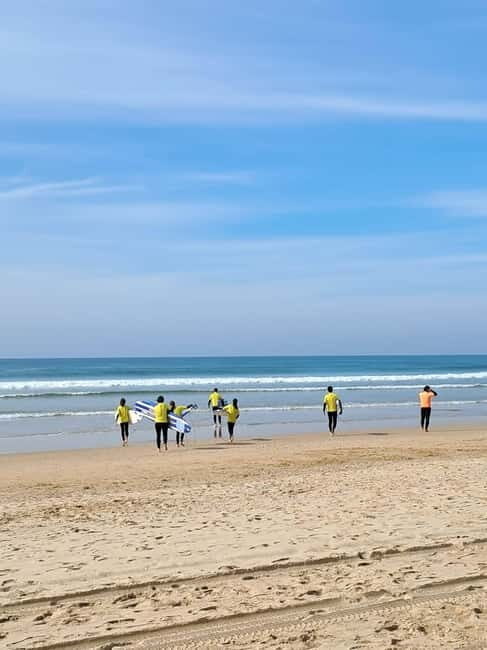
At $34 per person for a 3-hour lesson, this is positioned as a budget-friendly way to learn with real structure. The value comes from what’s included: surfing equipment, a certified instructor, insurance, and even the Portuguese Surfing Federation certificate. Many “cheap” surf options forget the equipment or the safety structure, forcing you to scramble. Here, you can show up and get trained.
There’s also the group-size factor. Max 6 means you’re paying less per “coaching minute” than you would in larger groups. That’s often the difference between learning enough to feel proud after one session versus learning “concepts” without progress.
What you should bring is straightforward:
- Swimwear
- Sunscreen
- Water
If you’re the type who gets cold easily, make sure your swimwear setup works with the wetsuit. If you’re unsure, ask before the lesson begins so you don’t spend the early part uncomfortable.
One last logistics consideration: because transportation isn’t included, your total cost depends on how you’ll get there. If you’re staying in Lisbon city center, check your plan so you don’t waste time and energy on the commute. This is a lesson where being mentally fresh helps you learn faster.
Should you book this Lisbon surfing lesson?
Book it if you want a beginner-friendly surf class with small-group attention, safety built in, and equipment provided. It’s a smart choice if you’re nervous about learning, because the teaching flow starts on sand and moves into the water only after you’ve been set up properly.
Skip it if you’re bringing kids under 12 or if you’re pregnant, since the lesson isn’t suitable for those groups. Also, be ready for the self-arrival part: you’re meeting in a parking lot (Estacionamento) and finding the grey Peugeot van, so plan your route and timing.
FAQ
How long is the surfing lesson?
The lesson lasts 3 hours.
Where is the meeting point?
You meet at the Estacionamento parking lot. Look for a grey Peugeot van.
Do they provide the surfboard and wetsuit?
Yes. Surfing equipment is included, and you’ll be kitted out with a wetsuit and surfboard.
Is transportation included?
No. Transportation is not included.
What languages do the instructors speak?
The instructor speaks English, Portuguese, Spanish, and Italian.
Is this lesson for beginners?
Yes, it’s designed to teach surfing basics in a safe way, including practice on the sand before heading into the water.