REVIEW · SINTRA
Climbing Experience in Sintra
Book on Viator →Operated by Discover The Nature - Outdoor Events · Bookable on Viator
Getting vertical in Sintra is a treat. You’ll trade the usual palace-and-tickets day for hands-on climbing practice in the Serra de Sintra Natural Park near Lisbon. It’s called an initiation for a reason: you’re not dropped into a dangerous mystery. You’ll learn how to move safely, use the rope, and build confidence on real rock.
Two things I really like: you get all the core gear (helmet, harness, rope, plus water), and the setting feels special right away at Penedo da Amizade. There’s also a strong safety focus in the way the instructors teach, including how to secure another climber.
One possible drawback: this experience depends on weather, so if conditions are poor, you’ll need to reschedule or you may get a refund. Also, it’s active. Even as a first outing, you should expect scrambling, climbing, and time spent outdoors.
In This Review
- Key highlights you’ll feel on the day
- Why Penedo da Amizade is the right place to start climbing
- The part you should actually care about: the safety setup
- The morning start at Estrada da Pena 2 (and why the timing helps)
- What the 4 hours typically feel like on the ground
- Learning climbing basics: what you’re really practicing
- Rapel, descent thrills, and keeping your head during the scary parts
- The views over Sintra (and how to notice them without slowing down)
- Price and value: what $94.63 buys you in real terms
- Who should book this climbing initiation, and who should think twice
- Practical tips for your Sintra climbing day
- Booking decision: should you do this in Sintra?
- FAQ
- What is the duration of the climbing experience in Sintra?
- Where do we meet for the activity?
- What time does the experience start?
- What climbing gear is included?
- Is there a minimum age for participants?
- What happens if weather is poor?
Key highlights you’ll feel on the day
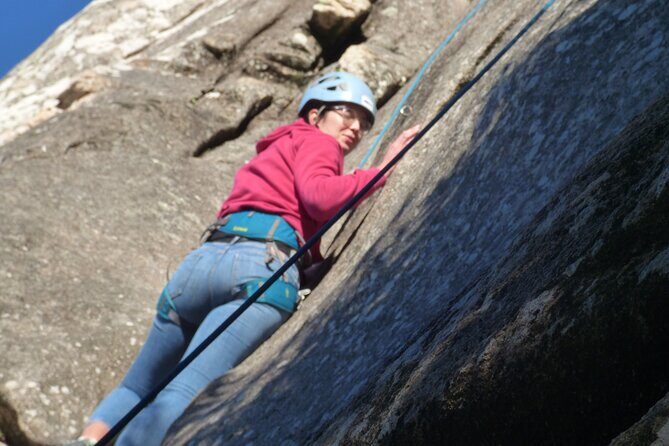
- Penedo da Amizade training vibe: a mythical-feeling place where you learn the basics instead of guessing them
- Gear included: helmet, harness, rope, and bottled water, so you show up ready
- Small group size: up to 15 people, which usually means more attention and less waiting
- Real technique coaching: you learn how to move and how to keep others safe
- Not just climbing: the program can include rapel and a more adventurous descent element
- Sintra views on the move: you’ll look out over sites like Palácio da Pena and Vila de Sintra as you go
Why Penedo da Amizade is the right place to start climbing
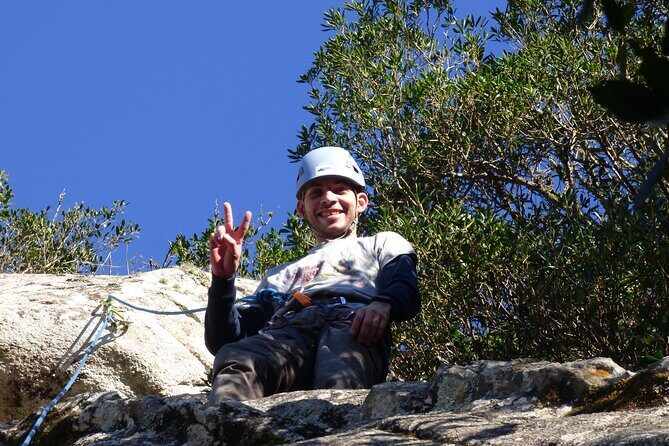
Sintra has a way of making every outing feel more cinematic than it should. Penedo da Amizade sits in the Serra de Sintra Natural Park, and that matters because you’re not practicing on a dead wall. You’re learning in a living, natural setting where the rock, the angle, and the surroundings push you to focus.
This is sold as a climbing initiation, and that’s exactly what it should feel like: a first step that’s challenging enough to be memorable, but coached enough that you don’t spend the morning terrified. The best part of a beginner-friendly climbing day is not just safety. It’s learning the mental habits that make climbing enjoyable: listening closely, moving with control, and trusting your gear.
And yes, the views help. As you work through routes and transitions, you get sightlines out over Palácio da Pena, Quinta da Regaleira, and Vila de Sintra. It’s one of those days where your body is busy, but your brain keeps stealing quick looks outward.
You can also read our reviews of more tours and experiences in Sintra.


The part you should actually care about: the safety setup
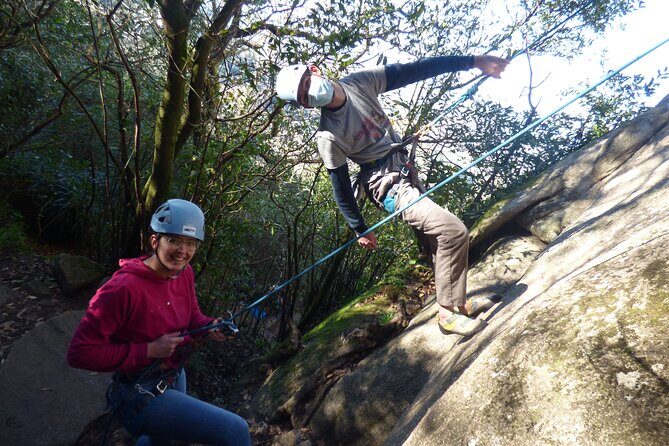
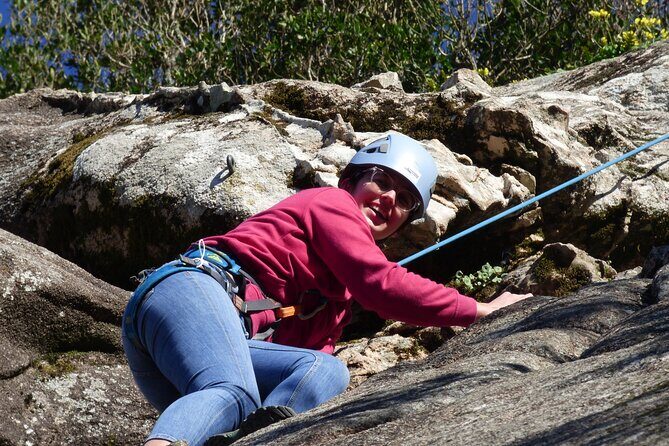
Rock climbing only works as an experience if you feel secure, and this one is designed around that. You’re provided helmet, harness, rope, and bottled water. That’s a big value point: you don’t have to hunt for the right gear, and you start the activity with the correct equipment from the beginning.
You’ll also get instruction on how to use your setup properly. In practice, that means you learn not only how to climb, but how to keep the system safe for everyone involved. One of the most praised aspects of the experience is how much time the instructor spends explaining and repeating instructions until you get it, at a calm pace.
If you’re new, you’ll especially appreciate the guidance around how to handle safety steps without panicking. If you’re not brand-new, you’ll still benefit from the way the coaching frames the basics in a clear, repeatable way.
Practical note: wear something you can move in. You’ll likely climb, scramble, and shift positions with your hands and feet. Come in with shoes that feel grippy enough for uneven rock. If you’re unsure, ask ahead of time what footwear works best for this kind of outing.
The morning start at Estrada da Pena 2 (and why the timing helps)
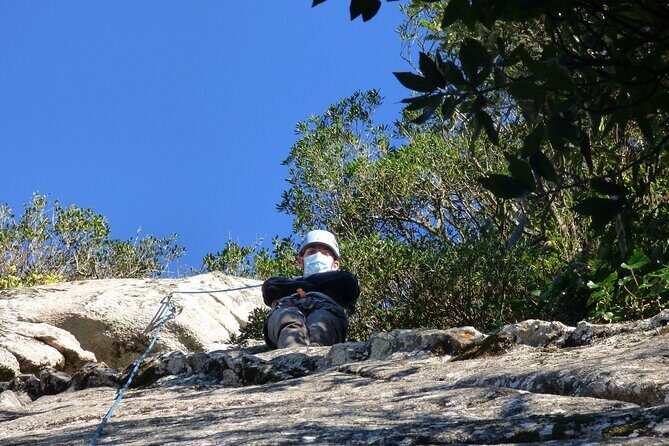
The activity begins at 9:00 am at Estrada da Pena 2, 2710-551 Sintra, Portugal. The duration is about 4 hours, and the tour ends back at the meeting point. That loop matters: you don’t waste half your day doing logistics. You show up, you learn, you climb, and you return.
Starting early also helps with two real-world things:
- You’re more likely to have better weather conditions and steadier light.
- You avoid spending your whole day mentally juggling “how to get to the park,” “how to find the right start,” and “what if the day gets late.”
Because you’re starting in the morning, you’ll want to be at the meeting point a bit before 9:00. Sintra roads and parking can take time, especially if you’re coming from Lisbon.
What the 4 hours typically feel like on the ground
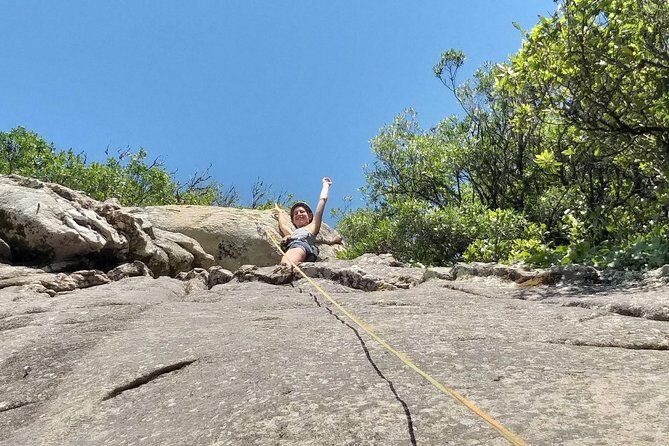
The exact minute-by-minute plan isn’t for me to guess, but the flow is consistent: this is an initiation course in Serra de Sintra, not a long hike with occasional climbing. Expect a mix of walking, technique practice, and controlled descents.
A good way to picture it:
- Briefing and gear fitting
You’ll put on your helmet and harness, get familiar with the rope setup, and learn what you’ll do first. The instruction is the foundation; this is where you decide whether you’ll feel relaxed on the rock or tense up.
- Walking and warm-up movements
There’s often some moving through the area before you hit the climbing parts. You might do a short off-road transfer (for example, a quick jeep ride) and then walk in the mountains. This is part of how you reach the right rock section.
- Learning the basics of climbing
You’ll practice how to move safely and how to manage your safety system. A standout theme from the guidance here is learning how to support others too—so it’s not only about you climbing.
- Rapel-style descent and a more adventurous element
The experience can include rapel, and some days include an extra free-fall-style moment as part of the descent learning. Even if you’re new, you’ll do it with instruction and controlled conditions.
- Climbing back out / finishing move
You may finish with some short scrambling or rock scaling to get back to the return point. It’s not usually a huge ordeal, but it keeps you in the action instead of ending instantly after the descent.
That mix is why it feels like a full “activity block” instead of a short try-and-quit session.
Learning climbing basics: what you’re really practicing
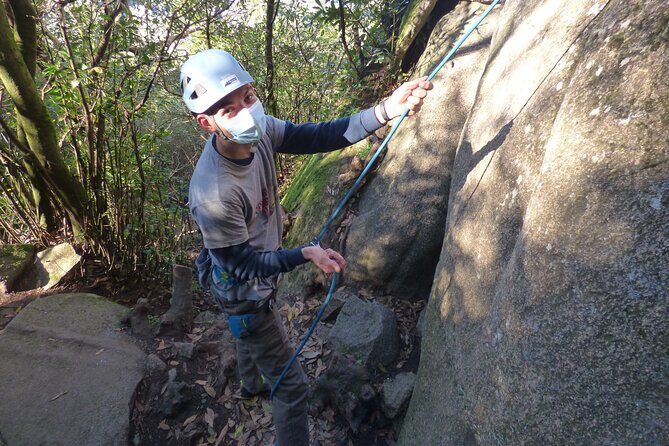
“Basics” can mean anything in tourism language. Here, it means you work on the core stuff that makes beginners safer and more confident.
What you should expect to practice includes:
- How to handle your harness and rope system correctly
- How to move on rock without fighting every hold
- How to listen for cues and act on them quickly
- How safety works beyond your own turn
One of the most helpful skills you can pick up on a first climbing day is learning how to make another climber safe. If you get coached on basic support and safety responsibilities, you leave with more than a photo and a shaky memory. You leave knowing what to watch for and what good communication sounds like.
Also, the teaching style matters. The instructors here are described as friendly, responsive, and willing to repeat explanations until you understand. That’s not a small detail. In climbing, repetition is how anxiety turns into muscle memory.


Rapel, descent thrills, and keeping your head during the scary parts
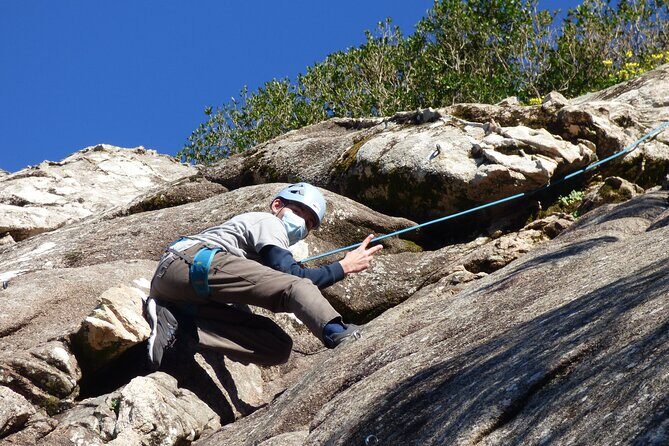
Rapel is often the moment first-timers realize climbing is half psychology. You’re harnessed. You’re attached. You’re safe. But your body still has to trust the process while looking at the rock face below.
In this Sintra initiation, the descent portion is a key part of the experience. If you do the rapel, you’ll learn how to manage your position and how to let the system do the work. If your day includes that extra free-fall-style element, it’ll feel like a bigger leap mentally—so go in with the mindset that you’re learning a skill, not just chasing adrenaline.
Here’s the practical mindset tip I’d give you: focus on the next cue only. Don’t plan the entire descent in your head. Climbing teachers want you to operate one step at a time, and it keeps you calm.
The views over Sintra (and how to notice them without slowing down)
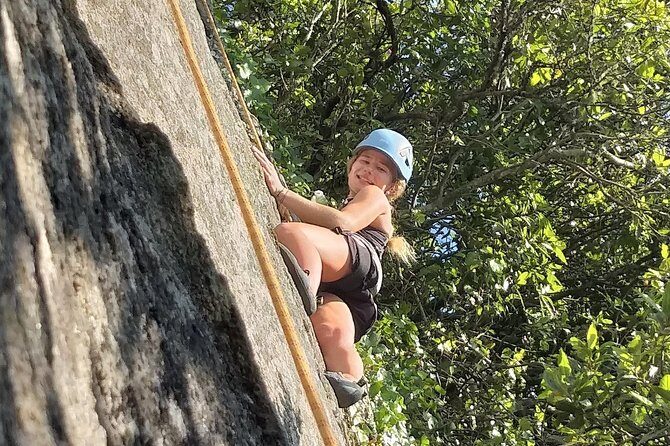
It’s tempting to treat views as a side bonus, but here they’re part of why the day feels memorable. As you climb and move across the rocky sections, you can spot key Sintra landmarks. The Palácio de Pena area and Vila de Sintra can come into view, and that helps you feel like you’re in a real place, not just doing an activity.
How do you enjoy the views without messing up your focus?
- Look during rest points, not while you’re transitioning on rock.
- Take short photo breaks after the instructor confirms you’re set.
- Use the scenery as a calming reset, then re-focus on your next movement.
This is one of those activities where you’ll feel proud afterward, but you won’t need to rush to enjoy the scenery. The activity pace supports quick breaks.
Price and value: what $94.63 buys you in real terms
At $94.63 per person for about 4 hours, this is fairly priced for a guided outdoor ropes activity in the Sintra area. Here’s what makes it good value rather than just “a price tag”:
- Gear is included: helmet, harness, rope, plus bottled water.
- Guided coaching: you’re paying for technique instruction and safety oversight, not just being led to a cliff.
- Small group cap: up to 15 travelers, which typically means more time per person.
- Beginner-friendly structure: you’re not paying to figure it out yourself.
What’s not included is also clear: lunch and dinner. That’s normal for a half-day outing. You’ll want to eat ahead of time if you’re hungry, because the day is active.
If you’re comparing options in Portugal, the real question is not just cost. It’s whether you’re getting real coaching and the right gear. Here, the setup is covered.
Who should book this climbing initiation, and who should think twice
This experience is accessible from 10 years old, and it allows service animals. That suggests the provider is set up to handle a range of participants. Most people can participate, and the teaching approach is built for first contact with rock climbing.
This is a great match if:
- You want a first climbing experience with structured guidance
- You like activities that combine walking, rope skills, and short adrenaline moments
- You enjoy outdoor days without committing to a full-day trek
You might think twice if:
- You’re expecting a gentle sightseeing walk only. This day is hands-on.
- You don’t handle heights or descent activities well. You can still do it, but go in prepared for the mental part of rapel.
- Weather is a big unknown for your schedule. The activity requires good conditions.
Practical tips for your Sintra climbing day
These are the things that make a big difference when you show up for a ropes course:
- Arrive early: you want time for check-in and gear fitting without rushing.
- Wear grippy shoes: you’ll move on uneven rock and possibly climb/scramble as part of the day.
- Bring water needs in mind: bottled water is included, but if you run hot or sweat a lot, plan accordingly.
- Don’t overthink the technique: trust the instructor cues. Your job is to listen and execute one step at a time.
- Be ready for repetition: if you’re unsure about a safety step, ask and let them explain again.
- Plan for photos: the experience is described as sending photos the same day, so you may want to keep your phone ready for a quick shot or two at rest points.
Also, keep your schedule flexible. Since the provider relies on good weather, having a little buffer time helps.
Booking decision: should you do this in Sintra?
If you’re the kind of traveler who gets bored by “sit and look” days, book it. This is hands-on, coached, and quick enough that you can still see Sintra afterward.
I’d especially recommend it if it’s your first time with real rock climbing. The strongest reasons to choose this day are the safety-forward instruction, the gear being handled for you, and the chance to learn skills you can understand and repeat.
If you’re unsure about heights or you want a calm, low-activity experience, then you might prefer something gentler. But if you can handle controlled descent and you like learning a new skill, this is a smart use of half a day in Sintra.
FAQ
What is the duration of the climbing experience in Sintra?
It lasts about 4 hours.
Where do we meet for the activity?
The meeting point is Estrada da Pena 2, 2710-551 Sintra, Portugal.
What time does the experience start?
The start time is 9:00 am, and the activity ends back at the meeting point.
What climbing gear is included?
You’ll receive a helmet, harness, rope, and bottled water.
Is there a minimum age for participants?
Yes. The experience is accessible from 10 years old.
What happens if weather is poor?
The experience requires good weather. If it’s canceled due to poor weather, you’ll be offered a different date or a full refund.