REVIEW · SINTRA
Arrábida, Palmela & Sesimbra–Wine, Tiles & Cristo Rei Experience
Book on Viator →Operated by Wonder Van · Bookable on Viator
Big views and hands-on crafts in one day. This tour stitches together the Parque Natural da Arrábida viewpoints, Portugal’s wine culture, and an azulejo tile factory that still uses old methods. I especially like the way the day mixes scenery with real making things, not just looking. The main drawback to plan for is that the day runs long (about 7 to 8 hours), and Christo Rei admission plus lunch are not included.
What makes it easier is the 9:00 am hotel-style pickup and private mini-van transport, so you’re not juggling trains, transfers, and parking. You’ll also get a full wine tasting experience, so if you want to move at a slower pace, pace your tastings and plan for a relaxed beach break at the end.
In This Review
- Key highlights at a glance
- Why Arrábida, Palmela & Azeitao feels like a smarter Lisbon-area day
- Pickup, bridges, and the road-trip mood (9:00 am start)
- Stop 1: Parque Natural da Arrábida for convent-country views
- Stop 2: Castelo de Palmela and why that view feels earned
- Stop 3: Azeitao tile factory where azulejos are still made by hand
- Stop 4: Azeitao winery tasting with art collection and real sipping time
- Stop 5: Cristo Rei for Lisbon skyline views (and the one cost to note)
- Stop 6: Praia da California for a calm beach break and seafood timing
- Price and value: what $289.92 buys you in the real world
- Who should book this tour (and who might want to rethink it)
- A few practical tips to make the day smoother
- Should you book the Arrábida, Palmela & Sesimbra–Wine, Tiles & Cristo Rei experience?
- FAQ
- What time does the tour start?
- Is hotel pickup included?
- How long is the tour?
- Is lunch included?
- Which parts have entrance fees included?
- Is this a private tour?
Key highlights at a glance
- Parque Natural da Arrábida quick-hit: steep, dramatic views with free admission time built in
- Castelo de Palmela panorama: churches and a convent linked to the Santiago Order, with Tejo and Sado views
- Azeitao azulejo workshop: watch centuries-old tile techniques in an operational factory
- Azeitao winery + art collection: explore the property and taste wines as part of a full tasting experience
- Cristo Rei Lisbon city views: statue-inspired viewpoint that’s timed before the return drive
- Praia da California beach break: traditional fishing village feel plus time for a seafood lunch nearby
Why Arrábida, Palmela & Azeitao feels like a smarter Lisbon-area day
If your Lisbon trip feels crowded with the same big-name stops, this route gives you a different flavor of Portugal. You’ll start in the hilly, ocean-coast region of Arrábida, then climb into the strategic heights of Palmela, and then head into Azeitao, known for both wine and tiles. After that, you end with panoramic Cristo Rei views and a slower final stop at the beach.
The best part is the pacing by contrast: short scenic breaks, one solid historical viewpoint, one hands-on craft stop, and then a full tasting session. It’s not a museum marathon. It’s the kind of day that helps you understand how different parts of the same region fit together—coast, agriculture, crafts, and faith—without you needing to map anything out.
You can also read our reviews of more wine tours in Sintra



Pickup, bridges, and the road-trip mood (9:00 am start)

Your day starts at 9:00 am, with pickup and drop-off at accommodations and transport hubs in Lisbon, Sintra, Ericeira, and Cascais. If you’re staying in a place that’s hard for a van to stop safely, you may be asked to meet at a nearby central location within a short walk. It’s the kind of small detail that matters when you’re trying to stay on schedule.
You’ll also drive across major bridges on the way out and back. One is described as the second largest bridge in Europe, and later you cross 25 de Abril Bridge, often compared to the Bay Bridge in San Francisco. These aren’t just scenic extras. They’re a quick way to understand why this area works as a day-trip circuit—big crossings, then immediate change in scenery.
Because this is a private tour/activity, you’re not stuck waiting for strangers to finish selfies. That alone can make the day feel less rushed, even with multiple stops.
Stop 1: Parque Natural da Arrábida for convent-country views
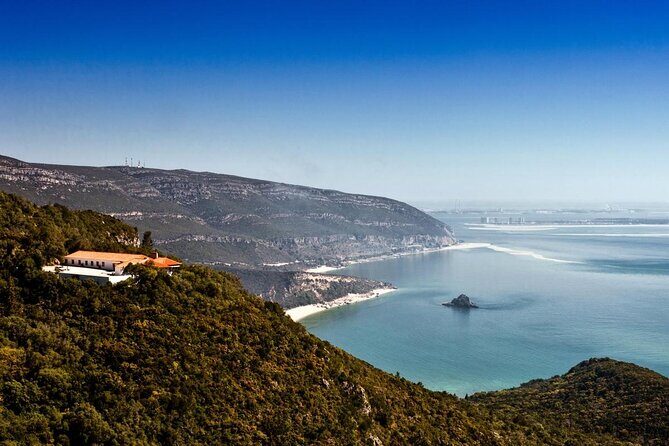
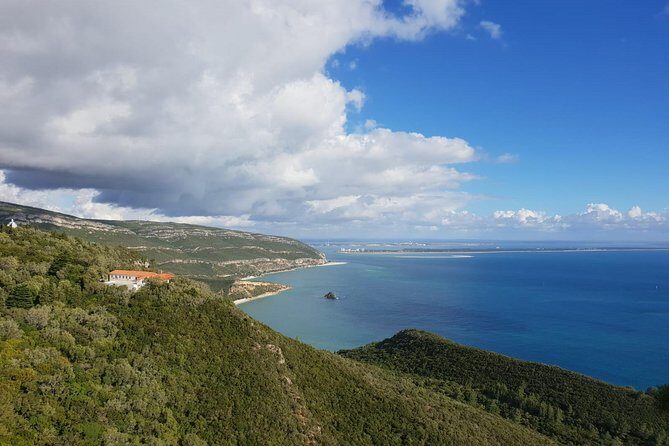
Parque Natural da Arrábida is where the day starts showing its cards. Even with a short time slot, you get the payoff: rolling hills, coastal air, and the kind of view that makes you slow down without being asked.
This is also the spot tied to old stories. The area is home to historic houses and convents, and that’s the vibe you’re looking for when you walk around here—quiet corners and a sense that people have shaped the land for a long time. The tour keeps it to about 25 minutes, and that’s smart. Arrábida can be expansive, so a tight stop means you get the best view without turning your morning into a long hike.
Good to know: admission is free here, so you’re not paying extra just to enjoy the scenery.
Stop 2: Castelo de Palmela and why that view feels earned
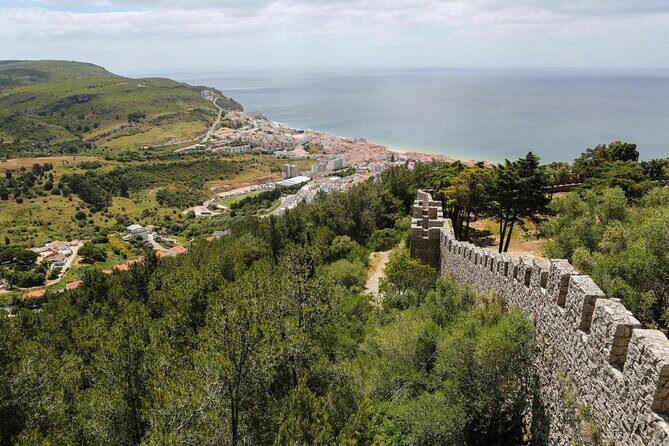
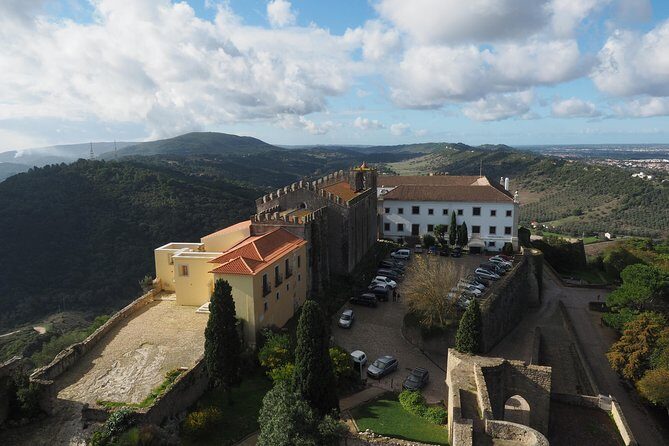
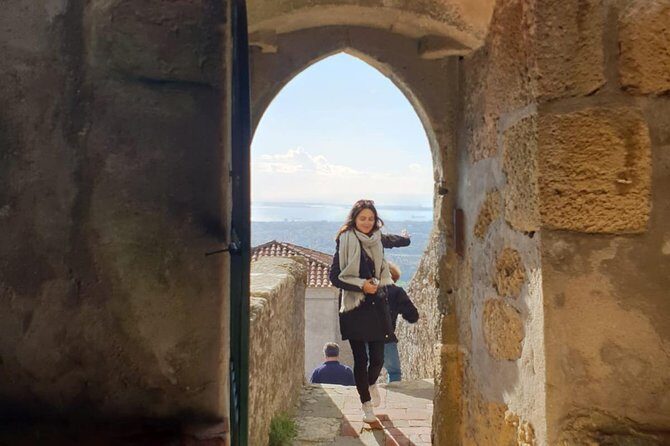
Then you switch from sea air to height. Castelo de Palmela is described as inhabited since pre-historic times, and you can feel the logic behind it. The castle sits in a privileged, strategic spot, which means this wasn’t just built for decoration. It was built for control and defense—and now it’s built for views.
You’ll have about 45 minutes here, with admission included. I like that the time is long enough for you to wander the churches and see the traces of different cultures, but not so long you lose the rest of the itinerary.
One detail to watch for: the convent connected to the Santiago Order, which is now a hostel. Even if you don’t go inside, it’s a neat reminder that religious buildings often evolve with local needs rather than disappearing.
And the payoff is practical: from this point you can catch sights of both the Tejo River and the Sado River. If you like panoramic viewpoints, this stop is a highlight. Also, the drop-off is close enough that you’re not doing a big climb to enjoy it—just enough steps to get your bearings fast.
Stop 3: Azeitao tile factory where azulejos are still made by hand
After the castle, it’s a satisfying gear shift: from history on a hill to crafts made on the job.
In Azeitao, you visit an operational tile factory where you learn Portuguese tile techniques. The most valuable part of this stop is that it’s not a behind-glass demo. You get to see an active workspace and understand how old methods survive in a modern tourist day.
The timing is about 40 minutes, and admission is free. That “free” detail matters here because it makes the craft portion feel like part of the experience rather than an add-on you have to think about.
Portuguese tiles—azulejos—aren’t just decoration. They’re a working visual language in Portugal: patterns, colors, and story scenes that show up on facades, churches, and public buildings. Seeing them made helps you connect what you’ve seen around Lisbon to the process that created it.
If you like architecture details, this is one of the stops that makes the rest of the trip click.






Stop 4: Azeitao winery tasting with art collection and real sipping time
Now for the part most people plan around: wine.
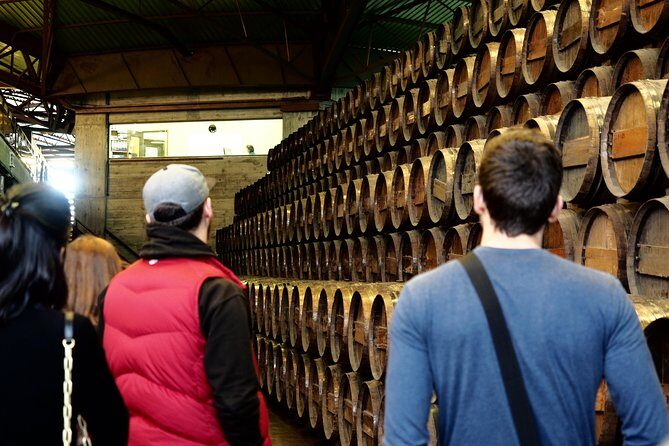
In Azeitao, you visit a winery described as iconic, and you’ll spend about 1 hour 10 minutes there. Entrance is listed as free, but the big inclusion is the full wine tasting experience with alcoholic beverages included.
What I like is that the winery visit isn’t only about tasting. You also get a look at an art collection on site. That combination is a typical Portuguese move: make the winery feel like a place you can wander, not a quick vending machine for tastings.
A practical tip: tasting is included, but lunch is not. So if you’re the type who needs food before you drink, plan to eat light before pickup. Once you taste, you’ll likely understand why timing matters—your taste buds and your energy level both need to be in the right place for the afternoon.
Also, since this is part of a longer day, I recommend taking your time during the tasting flight rather than rushing through it. The goal isn’t speed; it’s learning how the wine tastes and what the region’s style feels like.
Stop 5: Cristo Rei for Lisbon skyline views (and the one cost to note)
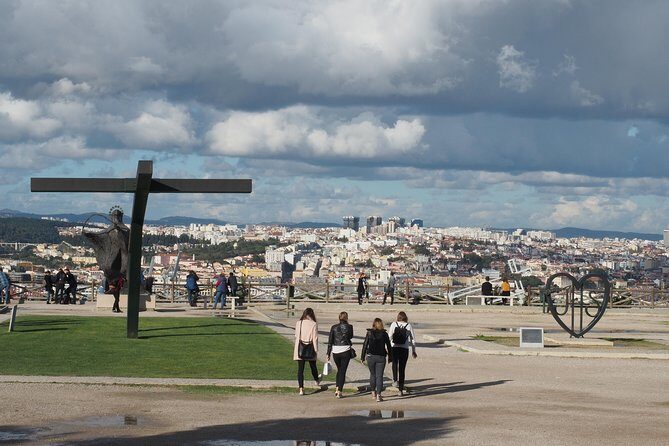
Next stop: Santuario Nacional de Cristo Rei. This viewing platform is inspired by Brazil’s Christ the Redeemer, and it’s a classic way to get Lisbon city views from above.
You’ll have around 40 minutes here. This is where you should plan for a small extra cost: admission is listed as not included. If you want to avoid surprises, set aside a bit of budget for that ticket before you get there.
This stop works best if you treat it as a “view first, photo second” moment. When you’re high enough to see the city, you start noticing how the rivers, bridges, and neighborhoods fit together. It’s also the point in the day where the earlier bridges start making more sense.
On the return drive, you’ll cross 25 de Abril Bridge again, and it’s described as similar in spirit to the Bay Bridge.
Stop 6: Praia da California for a calm beach break and seafood timing
After all the viewpoints and indoor craft, the final stop is about breathing room.
At Praia da California, you’re placed in a Portuguese fisherman village setting that keeps traditions and even local costumes alive. You’ll get about 2 hours here, with admission free.
The practical advantage is that you can do exactly what you need:
- walk the beach
- relax and watch the water
- and grab a seafood meal
Lunch is not included, but you can have a fish dish directly from the ocean area nearby. This is one of those “don’t overthink it” moments: choose what looks fresh and fits your appetite after the wine tasting.
Also, don’t underestimate how helpful a beach finish is after a day with multiple uphill moments. You’ll leave without feeling like you had to keep sight-seeing until the last minute.
Price and value: what $289.92 buys you in the real world
At about $289.92 per person, you’re paying for a lot more than a simple sightseeing loop. Here’s where the value comes from:
- Private transportation with pickup and drop-off in multiple areas (Lisbon, Sintra, Ericeira, Cascais). That alone can cost time and money if you’d otherwise cobble together buses and taxis.
- A full wine tasting experience with alcoholic beverages included, plus winery time built in.
- Entrance fees included for key stops like the vineyard/wine cellar and the tile factory.
- A route that covers Arrábida, Palmela, Azeitao, Cristo Rei, and a beach in one day.
The two value-snag items are clear: Christo Rei admission and lunch aren’t included. But if you plan for those costs, the rest feels like it’s doing its job—getting you to the right places without extra hassle.
Also, the “private” part matters. In places where parking is annoying and time windows are tight, fewer people usually means smoother transitions.
Who should book this tour (and who might want to rethink it)
This tour is a great fit if you want:
- wine culture plus a craft stop (not just wine only)
- panoramic viewpoints without major hiking
- a day trip that feels more local than tourist-crowded
It’s also ideal for couples or small groups who want the comfort of pickup and the flexibility to enjoy each stop at a human pace.
You might want to rethink it if:
- you get tired with a long day (7 to 8 hours)
- you don’t drink alcohol and you prefer a tasting experience with no alcohol involved (wine is included here)
- you’re on a strict budget for add-ons, since Christo Rei and lunch cost extra
A few practical tips to make the day smoother
- If you plan to buy something at the end (tiles, wine, or small crafts), leave room in your bag. The day includes both viewpoint walking and indoor stops.
- Dress for shade changes. You’re moving between scenic outdoor spots and winery/craft spaces.
- If you’re sensitive to heights or steep stairs, be mindful at viewpoints like the castle and Cristo Rei. The tour is timed to be manageable, but it’s still hillside terrain.
- For wine tasting, pace yourself. You’ve got a beach stop later, and it’s nicer if you’re feeling fresh.
Should you book the Arrábida, Palmela & Sesimbra–Wine, Tiles & Cristo Rei experience?
Yes, I’d book it if you want one day that mixes big Setúbal Coast views, real handmade Portuguese tile craft, and a structured Azeitao wine tasting—all with the convenience of private van pickup and drop-off.
Book with a small budget buffer for Christo Rei admission and your lunch. If that’s fine, the itinerary makes sense: each stop gives you a different kind of payoff, and you finish with a calmer beach break instead of ending in another crowded city square.
FAQ
What time does the tour start?
The tour starts at 9:00 am, with pickup at your chosen location.
Is hotel pickup included?
Yes. Pickup and drop-off are offered at hotels, accommodations, and Airbnbs, plus the Lisbon Airport or Port, in Lisbon, Sintra, Ericeira, and Cascais.
How long is the tour?
It runs about 7 to 8 hours total, with timed stops throughout the day.
Is lunch included?
No. Lunch time is built into the day, but lunch is not included.
Which parts have entrance fees included?
Entrance fees are included for the vineyard/wine cellar and for the tile factory. Admission to Cristo Rei is not included, while admission is listed as free for Parque Natural da Arrábida and Praia da California.
Is this a private tour?
Yes. It’s a private tour/activity, so only your group participates.