REVIEW · SINTRA
19th Century Photography Experience
Book on Viator →Operated by Five Historic Photography Studio · Bookable on Viator
This Sintra studio experience turns photography history into a hands-on, no-fuss keepsake. You’ll make a portrait using wet plate collodion, the 1851 process Frederick Scott Archer introduced, then watch the full development workflow in the dark room under safe red light. I especially like the fact it’s a private session for your group and that you actually see the image take shape step by step. One consideration: it’s not wheelchair accessible.
You’ll work with period clothing and props, with optional use of the studio’s wardrobe if you don’t want to bring anything. You also get a real tintype on an aluminium plate, ready to collect about an hour after the shoot starts, plus a protective presentation box and care guidance for the finished image.
The whole portrait experience is around 1 hour, offered in English, and you’ll meet at Largo 1º de Dezembro 14 in central Sintra. This is the kind of activity that benefits from showing up on time, because the plate has a countdown of its own.
In This Review
- Key things to know before you go
- The Wet-Plate Collodion Tintype: A Portrait Like 1851
- Private Portrait Time at Five Historic Photography Studio
- Choosing Your Portrait Size and Period Look
- The Portrait Session: What Happens During Your Shoot
- Watching the Dark Room Development Under Safe Red Light
- When Your Tintype Is Ready: Picking Up the Plate About an Hour Later
- Price and Value in Sintra: What $48.06 Buys You
- Getting There and What to Expect on Arrival
- Who Should Book This Wet-Plate Tintype Session
- Should You Book? My Honest Decision Guide
- FAQ
- What kind of photo process is used for the portrait?
- How long does the experience take?
- Is this a private experience?
- What about clothing and props for the tintype portrait?
- Are digital copies included?
- What language is the tour offered in?
- Is it wheelchair accessible?
- Is it suitable for young children?
Key things to know before you go
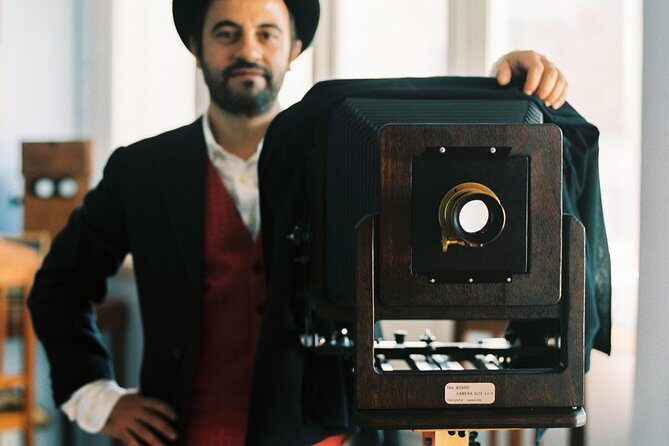
- Wet plate collodion tintype: an early photography method with a dramatic development moment
- Dark-room viewing under red light: see the process as it happens, not just the result
- Private session: only your group, with period props and personalized attention
- Three portrait size options: you can choose the final tintype format
- Pick up about 1 hour after the shoot starts: plan for that timing window
The Wet-Plate Collodion Tintype: A Portrait Like 1851
If you like photography, you’ll like this even more once you understand what the studio is doing. Wet plate collodion is an old-school process where the plate needs to be prepared and developed quickly. That speed is why it feels so different from modern cameras. You’re not just taking a picture. You’re performing a tiny piece of photographic history in real time.
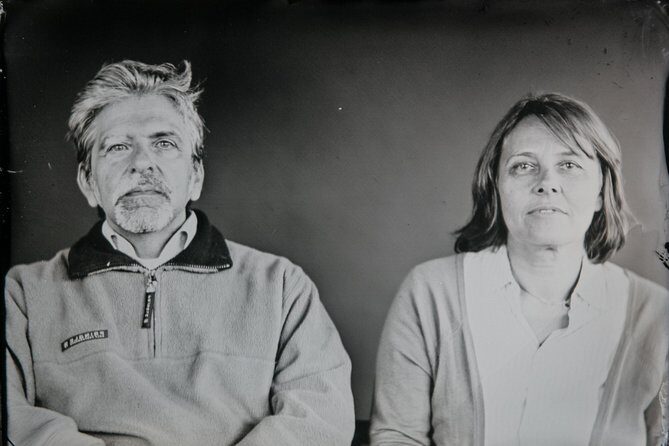
The process dates to 1851 and is tied to Frederick Scott Archer. In plain terms: it’s one of the earliest practical ways to create photographic images on a metal plate, then develop them as part of the workflow. The result is a tintype portrait with a look that feels genuinely old, not “vintage-filter old.”
What makes this experience feel worth your time is that you don’t skip the middle steps. You’ll be guided through the collodion method and then taken to witness the development in the dark room. You get the story and the craft, not just a quick pose and a finished product handed over later.
You can also read our reviews of more photography tours in Sintra

Private Portrait Time at Five Historic Photography Studio
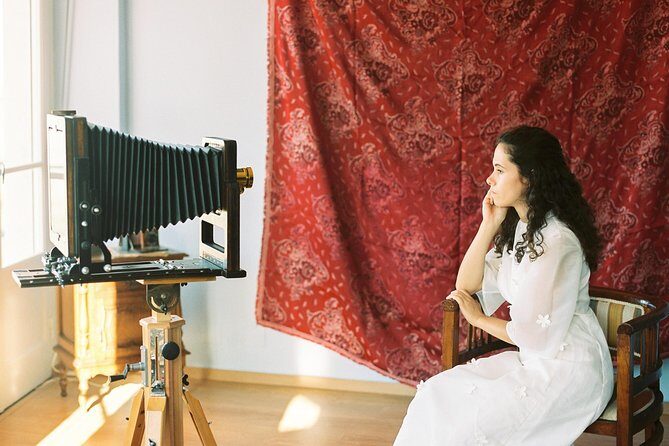
This is a studio visit that works like a focused workshop. It’s private, meaning only your group participates, so you’re not squeezed into a rushed production line with strangers. If you ask questions, the hosts can actually answer them, and you’ll have room to settle into the period vibe.
Five Historic Photography Studio is set up to feel like an older photographic world. The space includes antique cameras and period furniture, plus literature about 19th-century photography. That matters because the experience is more than the final tintype. The studio environment helps you understand what photographers of that era were surrounded by.
Two details I’d put at the top:
- You get guided, step-by-step instruction, from the portrait creation to the development.
- You get a keepsake with presence, not a loose print. The studio provides the tintype in a nice protective box, with guidance on care so you can keep it safely.
Choosing Your Portrait Size and Period Look
Before the actual image is made, you’ll have choices that affect the final outcome. You can choose from three different sizes for the tintype portrait. That’s useful because tintypes aren’t all about “having a photo.” They’re also about the physical feel of the finished plate. A larger format can read as more dramatic, while a smaller one may be easier to display or store.
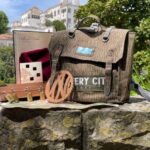
You’ll also have options for clothing and props. There are some 19th-century clothes and accessories available for your session, and you can also use period items provided by the studio. If you brought your own clothing, that’s an easy way to customize the look, but you’re not forced to do that. The period wardrobe is convenient if you want the “style of the era” without planning ahead.
The practical takeaway: decide whether you want to go light with the studio wardrobe or bring a specific outfit theme. Either approach works, but your prep time will differ.
The Portrait Session: What Happens During Your Shoot
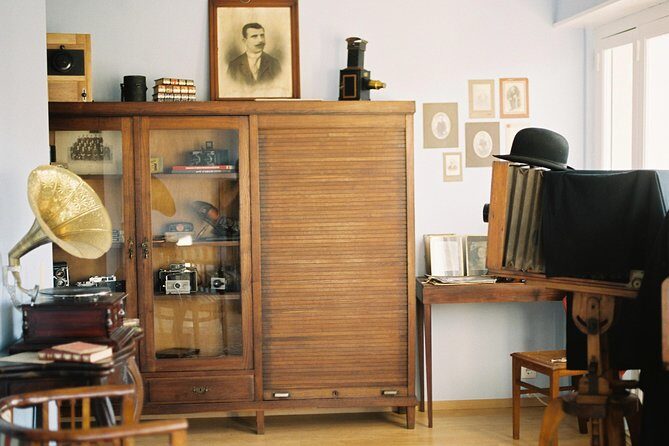
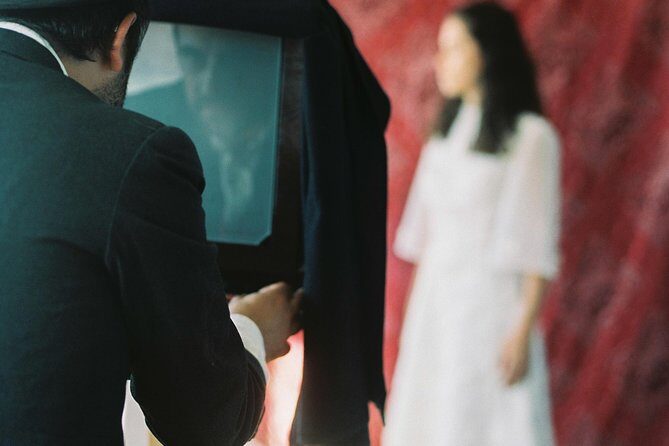
Your portrait is made through wet plate collodion, and the session timing is built around the chemistry. That’s why you’ll follow the host’s directions closely. Pose and wait times are part of the deal.
One important heads-up: the exposure time can be up to 10 seconds, so this isn’t a good fit for very young kids. If you’re bringing children, think carefully about stillness and patience. A 10-second hold might sound manageable, but it’s long enough to be tough for small kids who want to move.
Also, plan to arrive with the mindset of a portrait sitting, not a typical “snap and go” vacation photo. The payoff is that you end up with a process-driven image: the look is created by the method itself.
Watching the Dark Room Development Under Safe Red Light
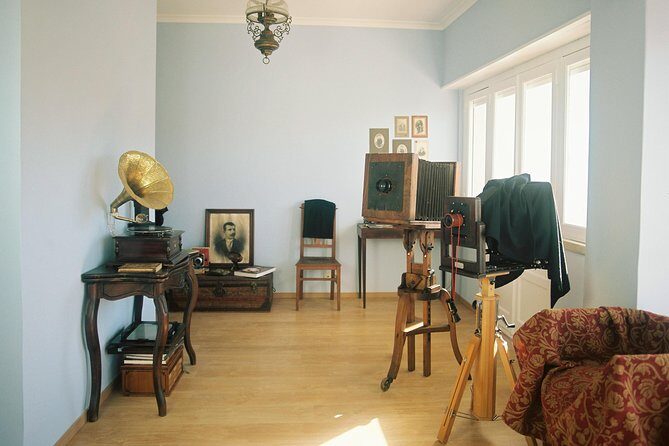
This is the part that makes the experience feel magical in a real, grounded way. After the portrait is captured, you follow the hosts to the laboratory and dark room to witness the whole development process.
The key detail here is that it happens under safe red light. That’s not just technical trivia. It means you can actually watch, and the studio can keep things controlled while still letting you see the transformation. You’ll see the negative photo as it comes to life, and it’s fast enough that you can capture the moment on video.
In modern photography, the “image appears” moment is hidden behind a screen. Here, the timing is physical. You can watch the process develop, which gives you a real respect for why early photographers treated their craft like precision work.
If you’re the kind of person who likes learning as you go, this is where you’ll feel the most satisfaction. You don’t just pay for a photo. You watch how it’s made.


When Your Tintype Is Ready: Picking Up the Plate About an Hour Later
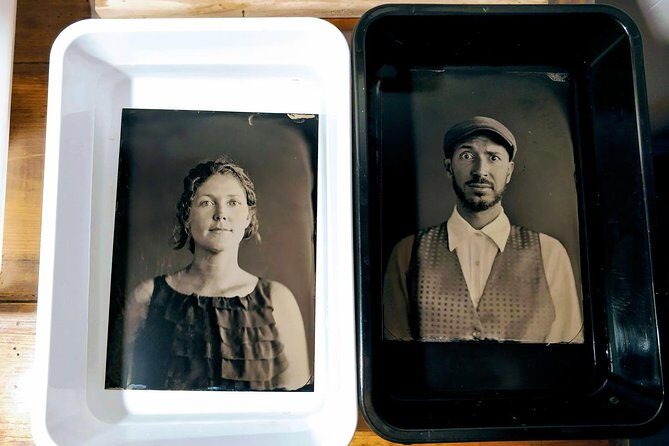
Timing matters for tintypes. The aluminium plate is ready to take about one hour after the experience starts. That’s a very specific window, and it’s one of the best reasons to treat this as a planned activity rather than a “maybe we’ll squeeze it in” stop.
Once the plate is ready, you’ll collect your tintype and it comes in a protective box. You’ll also receive guidance on how to care for it. That care advice is worth paying attention to because tintypes are a physical object you’ll likely want to keep for years. A protective box and basic care steps help you avoid accidental damage after the excitement fades.
Practical tip: since you’ll pick it up after about an hour from the start time, keep your next Sintra activity flexible. You don’t want to race off and miss your handoff.
Price and Value in Sintra: What $48.06 Buys You
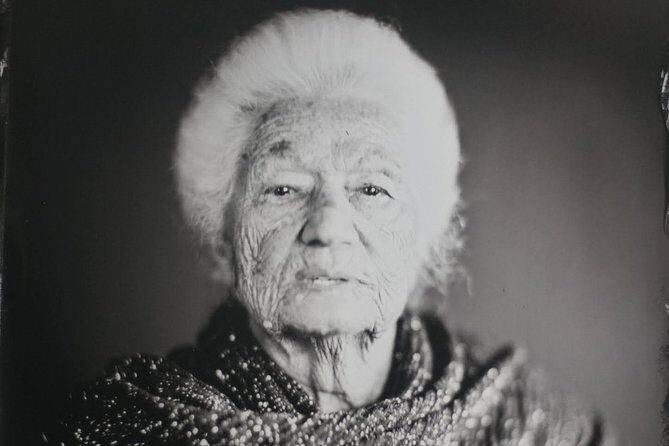
At $48.06 per person, this sits in the “experience price” range rather than the “cheap souvenir” range. But here’s the value logic: you’re paying for a private portrait sitting, the wet-plate collodion process, and the host-guided development walkthrough in the dark room.
You’re also getting an actual tangible artifact: a tintype on an aluminium plate, protected in a box. A lot of photo experiences end with a digital download. This one gives you a physical keepsake made through an old process.
Two extra value points:
- You can use period clothing and accessories during the portrait session, so you can get that 19th-century look without needing to hunt for props.
- Dark room access is included, meaning the “craft part” isn’t left out.
One cost to know: digital copies are not included. If you want digital versions, it’s €5.00 per booking. If you’re planning to share online, consider that option. If you mainly want a physical artifact, you can probably skip it.
Also, this activity is often booked ahead. On average it’s booked about 62 days in advance, so if you’re visiting during popular seasons, plan earlier rather than later.
Getting There and What to Expect on Arrival
You’ll start at Largo 1º de Dezembro 14, 2710-496 Sintra, Portugal. The activity ends back at the meeting point, which keeps things simple after your tintype is ready.
The ticket is mobile, and it’s offered in English. It’s also listed as near public transportation, so you’re not stuck relying on a specific car plan.
One more reality check: it’s not wheelchair accessible, so if mobility is an issue for anyone in your group, you’ll want to consider alternatives. Service animals are allowed, which is reassuring for many visitors.
And yes, it’s private, so you can expect a more personal pace than a group class.
Who Should Book This Wet-Plate Tintype Session
This is a great fit if you want more than a standard “tourist photo.” You’ll enjoy it if you’re curious about how images were made before digital cameras, and if you like seeing techniques in action rather than reading about them.
It also makes sense for:
- couples or friends who want a shared, creative artifact
- history-minded travelers who like hands-on demonstrations
- anyone who enjoys photography and wants to understand the process behind the look
If you’re traveling with very small kids, I’d reconsider, because exposure can last up to 10 seconds. For everyone else, as long as you can follow instructions and hold still for a short stretch, it’s doable.
Should You Book? My Honest Decision Guide
Book it if you want a portrait that’s truly tied to process. The wet-plate collodion method, the dark room development under red light, and the fact you take home a physical tintype all work together. This isn’t just entertainment; it’s craft you can see and keep.
I’d skip it if your main goal is convenience above all else. The timing is built around chemical readiness, so you’ll need to plan your follow-up activities around the plate pickup about an hour after the start. It’s also not wheelchair accessible.
If you’re on the fence, remember this: the best souvenirs are the ones that come with a story you can still explain later. This gives you that story, with the sights of the development process and the final tintype in hand.
FAQ
What kind of photo process is used for the portrait?
The studio uses wet plate collodion, an early photography process invented in 1851 by Frederick Scott Archer, to create a tintype portrait.
How long does the experience take?
The session is about 1 hour. Your aluminium plate is ready to collect about 1 hour after the experience starts.
Is this a private experience?
Yes. It’s a private tour/activity, so only your group participates.
What about clothing and props for the tintype portrait?
Some 19th-century clothes and props are available, and using the studio’s period wardrobe and accessories is optional.
Are digital copies included?
No. Digital copies are not included and cost €5.00 per booking.
What language is the tour offered in?
The experience is offered in English.
Is it wheelchair accessible?
No, this experience is not wheelchair accessible.
Is it suitable for young children?
It is not recommended for children under 6 years old, since the exposure time for the photograph can be up to 10 seconds.