A quick tuk tuk loop can make Lisbon feel suddenly doable. This private half-day tour packs in the big-picture sights—cathedral, several famed viewpoints, Alfama lanes, and the Belém shoreline—while your guide stitches it all together with local context and photo-friendly stops.
I especially like the electric, private transportation: it keeps you moving through narrow streets and steep areas without turning your legs into jelly. I also like that the route includes free-entry landmarks and quick stops that let you look, listen, and then move on before the crowds get annoying.
One thing to consider: tuk tuks can feel a bit bumpy on Lisbon’s uneven pavement. If you have back issues, you’ll want to take that seriously and maybe skip the ride segments.
In This Review
- Key highlights at a glance
- Why Lisbon works best in a tuk tuk (especially in 4 hours)
- The 4-hour flow: from ancient Lisbon to Belém’s sea legends
- Lisbon Cathedral: a calmer start with the city’s oldest core
- Church of Saint Anthony: wishes, relics, and artwork you can actually look at
- Miradouro de Santa Luzia: tiles that turn a view into a story
- Miradouro das Portas do Sol: the Alfama view and a drink break
- Miradouro da Senhora do Monte: the panoramic payoff
- Igreja de São Vicente de Fora: a church stop with extra historical flavor
- Alfama: walking time that feels like the real Lisbon
- Commerce Square: royal-era memory where daily city life continues
- Pastéis de Belém: the tart stop that’s more than a snack
- Jerónimos Monastery: maritime-era importance in a short visit
- Belém Tower: medieval fortress energy and big-water views
- Monument to the Discoveries: the golden-age story, with a world-map floor
- Bica funicular and Luís de Camões Square: the quick “postcard context” passes
- Santa Justa Lift: your lift moment without the long waiting
- Price and value: does $168.20 per person make sense?
- Who should book this Lisbon tuk tuk tour (and who should think twice)
- What the ride feels like in real terms
- Guides and small extras that make a difference
- Should you book this private Lisbon half-day tuk tuk tour?
- FAQ
- How long is the Private Half Day Sightseeing Tour in Lisbon by Tuktuk?
- Is this tour private or shared with other groups?
- What language is the tour offered in?
- Do I get WiFi and what transportation is used?
- Are any admissions or tickets included?
- What food and drinks are included during the tour?
- Is the tuk tuk ride suitable for everyone?
- What if the tour gets canceled due to weather?
Key highlights at a glance
- 100% electric tuk tuk: quieter ride and easy access through tight streets
- English-speaking local guide: built-in city context, not just names on a sign
- Multiple hilltop viewpoints: Santa Luzia, Portas do Sol, and Senhora do Monte for big panoramas
- Alfama time on foot: a real-feeling neighborhood stroll with classic drinks and lanes
- Belém’s must-sees: Jerónimos Monastery, Belém Tower, and the Monument to the Discoveries
- Santa Justa Lift access help: designed by Eiffel’s apprentice, with a no-waiting style of entry
Why Lisbon works best in a tuk tuk (especially in 4 hours)
Lisbon is a city of hills, shortcuts, and sudden views. If you try to “power walk” your way through a top-sights list, you’ll spend half your time catching your breath instead of seeing. The tuk tuk approach makes sense here: you get movement with less strain, and your guide can time viewpoints when the light and crowds are manageable.
This tour is private, so you’re not stuck pacing with a large group. That matters on a half-day itinerary. You can pause for a better angle, ask a question, or take an extra minute at a viewpoint without the whole schedule breaking.
Also, the tour is designed around quick wins. Each stop is short—often around 10 minutes—so you’re not trapped in long queues or waiting for everyone to finish reading every plaque.
The 4-hour flow: from ancient Lisbon to Belém’s sea legends
This is a tight circuit that moves through Lisbon’s layers:
- The oldest religious landmarks kick things off, so you understand what the city was before the postcard views.
- Then you climb into the viewpoint game—Santa Luzia, Portas do Sol, and Senhora do Monte—where Lisbon finally shows you why the hills are worth it.
- Next comes Alfama, the place that makes the city feel lived-in: alleys, tiles, small moments.
- Finally, you reach Belém, where the story shifts to maritime power—Jerónimos, Tower, and the Discoveries monument.
The timing works because the tour keeps shifting “modes.” You’re not staring at buildings the whole time. You’re looking out over the city, walking lanes, then stepping into major monuments.
Lisbon Cathedral: a calmer start with the city’s oldest core
Your morning begins at Lisbon Cathedral, Lisbon’s oldest cathedral. Even if you only get a short visit area, it’s a strong opener because it gives you architectural context right away. Lisbon’s mix of styles makes more sense after you see where the earliest layers started.
Tip for making this stop count: don’t rush the details. Look for how the structure changes over time. It’s the kind of place where a few minutes of focused attention beats a longer, distracted visit.
Church of Saint Anthony: wishes, relics, and artwork you can actually look at
Next up is the Church of Saint Anthony of Lisbon. This stop is built for quick focus: you’ll see notable art and relics, plus a chance to make a wish. Even if you’re not the religious type, it’s a good cultural stop because it shows what Lisbon celebrates and preserves.
If you like churches for their art more than their theology, this is the kind of short stop that works well. Ten minutes is enough to get your bearings and move on.
Miradouro de Santa Luzia: tiles that turn a view into a story
Then you hit Miradouro de Santa Luzia. This viewpoint is famous for its panoramic position—and for the way Portuguese tile work helps explain the place. The tiles aren’t just decoration here; they’re part of the viewpoint’s identity.
Practical move: take your photos, then slow down for one look without your phone. The tiling is best when you’re not scanning through images.
Miradouro das Portas do Sol: the Alfama view and a drink break
Portas do Sol is one of the best “Alfama from above” moments in Lisbon. You’ll get a sweeping view over Europe’s second oldest neighborhood and a chance to enjoy piñacoladas as part of the stop.
This is also a good place to reset. After viewpoints, Alfama can feel like sensory overload (in the best way), so letting yourself enjoy a drink and your first “aha” panorama helps.
Miradouro da Senhora do Monte: the panoramic payoff
If Santa Luzia is the warm-up, Senhora do Monte is the payoff. The panoramic view here tends to feel wider and more expansive, including Lisbon’s cityscape beyond the immediate hills.
I like this stop late in the sequence because you’ve already learned how Lisbon “stacks” on its slopes. Now you can read the city from above like a map.
Igreja de São Vicente de Fora: a church stop with extra historical flavor
Next is Igreja de São Vicente de Fora. The standout for this quick stop is how it’s described as renewed under the Spanish Felipe dynasty, plus features like Lisbon’s oldest organ.
Even in ten minutes, you can get value if you focus on one thing: the sense of how rulers and time left their mark. This stop isn’t trying to be everything. It’s trying to give you one thread to pull when the city starts feeling like a blur.
Alfama: walking time that feels like the real Lisbon
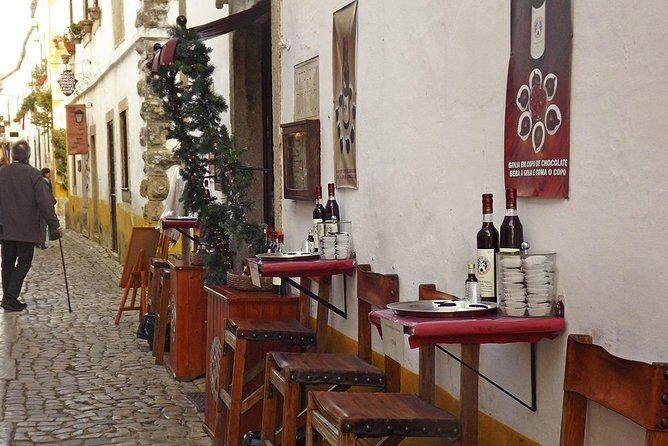
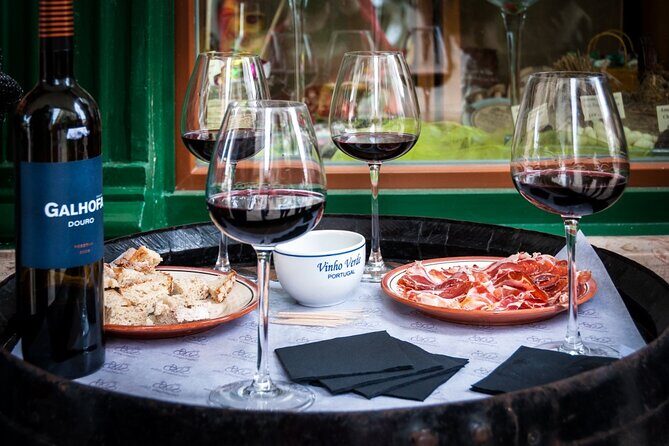
Then you get time to explore Alfama on foot—around 20 minutes. This is where the tour stops being just “sights” and becomes “feel.” You’ll wander through charming alleyways, enjoy the classic ginginha, and soak up the neighborhood atmosphere.
Alfama can be busy, so 20 minutes is actually smart. It’s long enough to notice the tiles, the stairs, and the changing street scenes—without turning into a long slog.
If you want the most out of this portion, walk with your eyes up as well as forward. Lisbon’s details often live on facades and tile panels.
Commerce Square: royal-era memory where daily city life continues
Passing through Commerce Square gives you a powerful contrast. It’s tied to royal palaces destroyed in the 1755 earthquake, and today it’s a working civic space with King Joseph’s statue and important government ministries.
This stop is quick, but it helps you understand Lisbon’s pivot after the disaster—how the city rebuilt itself and re-centered power. It also gives you a good “break in pace” between Alfama lanes and the Belém segment.
Pastéis de Belém: the tart stop that’s more than a snack
Next is Pastéis de Belém, where you can see the original cream custard tarts being baked and then savor their flavor. This isn’t just about eating. It’s about seeing a food tradition in action, which makes the taste feel tied to place.
Practical note: custard tarts are great, but they’re also easy to overdo. If you’re also planning to eat later, consider sharing or pacing it.
Jerónimos Monastery: maritime-era importance in a short visit
Jerónimos Monastery is one of Portugal’s most famous landmarks, and this stop focuses on the church area. You’ll see the tombs of Vasco da Gama and poet Camões, which ties exploration history to both leadership and literature.
This stop works on a half-day because your guide can frame what you’re looking at: why these figures matter to Portugal’s story. Even if you don’t spend much time inside, the names anchor the whole Belém chapter.
Belém Tower: medieval fortress energy and big-water views
Then you reach Torre de Belém. Think fortress with maritime symbolism and strong architectural character. The views from the area add to the effect; you’re seeing the kind of coast and horizon that fueled sea travel.
This is a solid photo stop. Plan to walk a few steps away from the densest crowd zone so you can get cleaner angles.
Monument to the Discoveries: the golden-age story, with a world-map floor
The Monument to the Discoveries offers an experience tied to Portugal’s golden age of exploration. You can watch key elements related to Portuguese sailors, and the floor includes a wind rose on a world map—meant to symbolize exploration achievements.
Even if you’re not into monuments, this is the kind of stop that gives you a mental diagram of the story Lisbon is telling.
Bica funicular and Luís de Camões Square: the quick “postcard context” passes
Along the way you’ll pass by Bica Funicular—useful if you want one of Lisbon’s iconic shots framed by narrow streets and tilework. You’ll also pass by Luís de Camões Square, giving you a feel for the energy before Bairro Alto’s nightlife.
These are brief, but they’re good for understanding Lisbon as a city of scenes: old streets, quick rides, and changing moods.
Santa Justa Lift: your lift moment without the long waiting
Finally, you reach Elevador de Santa Justa. The big selling point here is the help with access to the lift, designed by Eiffel’s apprentice, and the promise of a no-waiting style experience.
This is a smart capstone. You’ve spent hours climbing viewpoints and walking lanes. Now you get a vertical payoff with a panoramic view.
If you want the best photos: go at an angle and keep an eye on reflections through the viewing areas. The view is the point, not the architecture alone.
Price and value: does $168.20 per person make sense?
At $168.20 per person for about 4 hours, you’re paying for three main things:
- Private transportation by 100% electric tuk tuk, which saves effort on hills and narrow streets
- A local guide who connects landmarks into a usable understanding of Lisbon
- Time efficiency, with short stops at high-impact sights and free-entry admissions on the listed segments
Is it “cheap”? No. But it’s not trying to be. It’s aimed at travelers who want a high-quality overview without spending the whole half-day figuring out logistics.
It also helps that the tour supports group discounts and is often booked about 45 days in advance. That suggests availability can be better if you plan ahead, especially in busier seasons.
Who should book this Lisbon tuk tuk tour (and who should think twice)
This tour fits best if you:
- Want a high-impact highlights route without long walks uphill
- Prefer a private experience so your timing can flex
- Enjoy viewpoints and neighborhood texture (not only museums)
- Like a guide who can answer questions and keep you moving
I’d think twice if you:
- Have a condition that doesn’t handle bumps or uneven streets well (the tuk tuk ride can be rough)
- Want long, unhurried museum-style visits instead of quick landmark stops
What the ride feels like in real terms
A tuk tuk is not a smooth highway car. Lisbon’s streets are uneven, and that’s part of the experience. If you’re sensitive, pack that knowledge and plan to sit back, hold on lightly, and treat the ride like a scenic roller-coaster rather than a tram.
The good news is that this is a tour format that expects movement. You’re not doing these climbs on foot for hours. You’re trading some pavement vibrations for fewer stairs.
Also, the tour includes WiFi on board, so you can quickly check maps, share photos, or coordinate any dinner plans after.
Guides and small extras that make a difference
The names you’ll hear here—Marta, Claudia, Maria, and others—come up for a reason: guides focus on making Lisbon feel like a living place. In real terms, that means good route instincts and strong explanations you can use later, plus practical tips for what to do after the tour.
One nice detail from real experiences: some guides go out of their way if you want something extra like tile shopping at the end of the day. If that’s your thing, it’s worth asking during the tour rather than leaving it to chance.
Should you book this private Lisbon half-day tuk tuk tour?
If you only have one half-day and you want to cover a lot of Lisbon without exhausting yourself, I’d lean yes. The mix of major sights, several viewpoints, and Alfama time creates a rounded introduction—one that helps you choose where to spend more time later.
Book it if you:
- Like efficient sightseeing with real local context
- Want electric tuk tuk transport through narrow streets
- Plan to spend the rest of your trip exploring based on what you saw
Skip or reconsider if:
- You’re very sensitive to bumpy rides
- You want long, slow museum time instead of quick landmark moments
If weather is good, this is the kind of tour that helps you hit the highlights, learn the story, and still have energy left for your evening plans.
FAQ
How long is the Private Half Day Sightseeing Tour in Lisbon by Tuktuk?
The tour is about 4 hours.
Is this tour private or shared with other groups?
It’s private, so only your group participates.
What language is the tour offered in?
The tour is offered in English.
Do I get WiFi and what transportation is used?
WiFi is included on board, and the tour uses a private 100% electric tuk tuk for transportation.
Are any admissions or tickets included?
The tour itinerary lists admission ticket free at each stop.
What food and drinks are included during the tour?
Food and drinks aren’t generally included, except for the items mentioned in the itinerary stops, such as piñacoladas, ginginha, and Pastéis de Belém tart time.
Is the tuk tuk ride suitable for everyone?
Most travelers can participate. However, the ride can feel bumpy, so you should consider that if you have back issues.
What if the tour gets canceled due to weather?
This experience requires good weather. If it’s canceled due to poor weather, you’ll be offered a different date or a full refund.