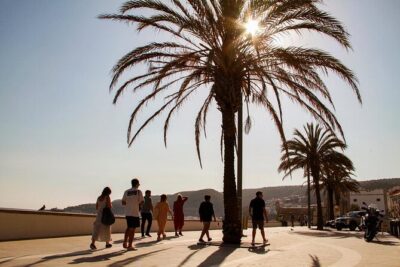
REVIEW · ALFAMA
Lisbon: Alfama, Mouraria Neighborhood Walking Tour
Book on GetYourGuide →Operated by Street Buddha Tours · Bookable on GetYourGuide
Lisbon’s oldest streets come with snacks. This 3-hour walk through Alfama and Mouraria feels like a small-town circuit inside a big city, with fado lore, local taverns, and major viewpoint payoffs. I like that it mixes stories with stops you can actually taste, especially ginjinha and Lisbon’s classic custard tart.
Two things I particularly like are the close-up look at the neighborhood fado culture and the quality of the food stops, including pastel de nata from San Antonio Bakery. The main drawback is the hilly terrain: there are climbs and uneven steps, and the tour runs rain or shine, so you need comfy shoes.
In This Review
- Key highlights you will feel fast
- Starting at Praça do Comércio: get your bearings the easy way
- Entering Alfama: the long, slow burn of Lisbon’s old core
- Viewpoint breaks: Portas do Sol and Sta. Luzia when your legs need a reward
- Ginjinha in a local tavern: the taste stop with a real mood
- San Antonio Bakery and the pastel de nata you’ll remember
- Mouraria side streets: where fado roots show up
- Chão do Loureiro: the last viewpoint that makes the climbs feel fair
- Price and value: what $40 buys you in 3 hours
- What to bring and how to avoid a sour day
- Who this tour is best for
- Should you book this Alfama and Mouraria walking tour?
- FAQ
- How long is the Lisbon Alfama and Mouraria walking tour?
- What is the price per person?
- Where does the tour start and what is the meeting point?
- What food and drink are included?
- Do I need to pay for any monument or attraction entrances during the tour?
- What viewpoints does the tour include?
- Is the tour guide available in English?
- Is the tour private or in a group?
- What should I bring and what is not allowed?
- Does the tour run in bad weather?
- Is the tour refundable if I cancel?
Key highlights you will feel fast
- Alfama’s centuries-on-stones streets: more than 2,000 years of history on foot, plus fado context
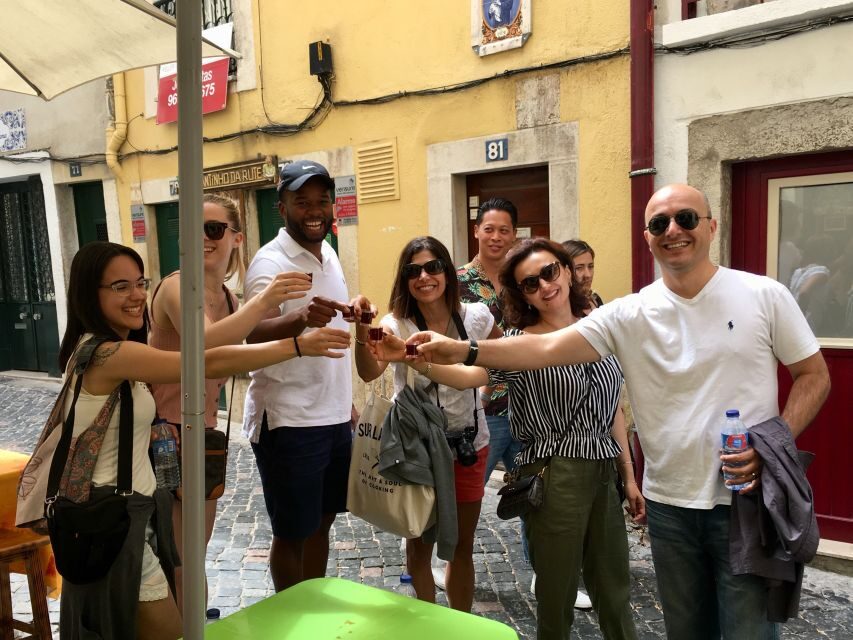
- Traditional ginjinha in a local tavern: a real taste stop, not a tourist counter
- Viewpoints like Portas do Sol and Chão do Loureiro: big Lisbon views that feel worth the climb
- San Antonio Bakery pastel de nata: a dedicated custard tart stop in the middle of the walk
- Fado roots in Mouraria: you’ll connect what you hear and see to where it came from
- A local-style guide: guides such as Igor get praised for friendly, story-filled pacing
Starting at Praça do Comércio: get your bearings the easy way
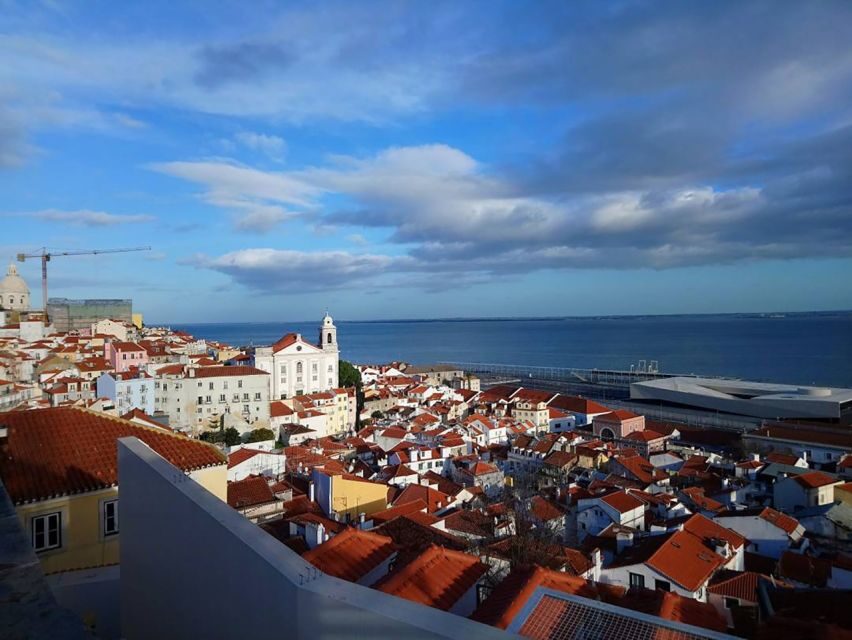
Your tour starts at Praça do Comércio in Baixa-Chiado, in front of the central statue in the middle of the square. That matters more than you might think. Before you start spiraling into narrow lanes, you get a clear intro to Portuguese history and a bit of storytelling that helps the neighborhoods make sense.
This is a smart move for a first Lisbon walking day. You’re not just chasing photo spots; you’re learning the why behind what you’re about to walk through. The guide also sets expectations on what kind of streets you’ll meet next, so you don’t feel surprised when the city turns steep and tight.
If you like walking tours that feel like a guided conversation, this one fits. If you hate learning background and just want to “go, go, go,” you might find you spend a little time listening before the walking really kicks in. But the rest of the tour is built around those stories, so it tends to click.
You can also read our reviews of more tours and experiences in Alfama.

Entering Alfama: the long, slow burn of Lisbon’s old core

Alfama is one of Europe’s oldest neighborhoods, and the tour leans hard into that fact in a good way. You’ll stroll through streets with a feel that’s less like a theme park and more like a living patch of the city. The big theme you’ll get is how old Lisbon still shapes daily life here.
The tour also frames Alfama as a key area for fado, the soulful Portuguese music. You’ll move through the neighborhood like you’re tracing the origin points of a soundtrack. That context is useful, because it turns random-looking doorways, tiled walls, and small taverns into meaningful parts of the story.
Here’s the practical part: expect tight streets and frequent changes in slope. You’ll want to keep an eye on your footing, not just your camera. Lisbon’s beauty is often on a steep angle, and Alfama is the place where you feel that truth quickly.
Viewpoint breaks: Portas do Sol and Sta. Luzia when your legs need a reward
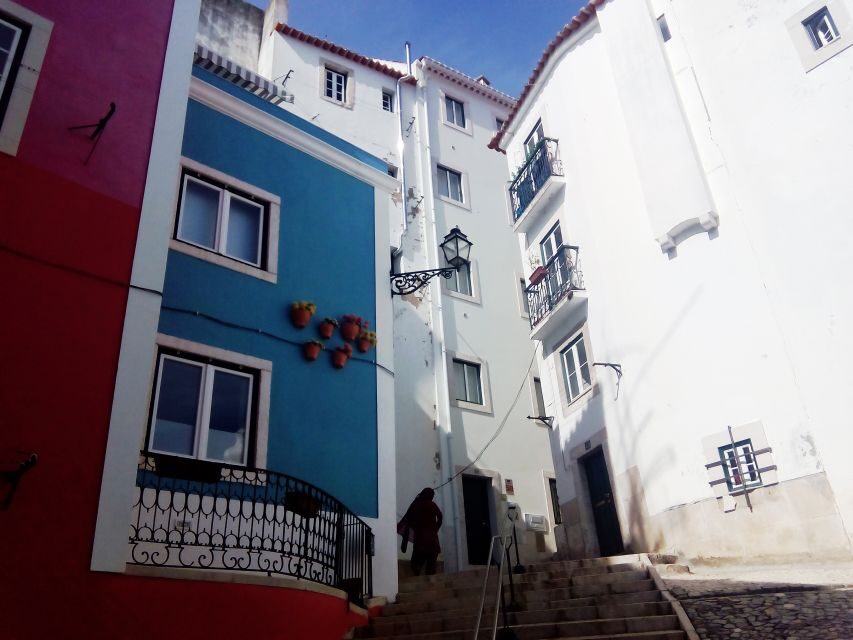
Lisbon viewpoints are not just for sightseeing posters. On this walk, they function like checkpoints. When the climbs start to feel constant, you get rewarded with major views that also help you orient yourself in the city.
You’ll see viewpoints such as Portas do Sol and Sta. Luzia. That combination is great because each viewpoint gives a different angle on Lisbon’s built-up hills and winding streets. If you’re the type who likes to understand a city spatially, these stops help you connect the neighborhood blocks you just walked through.
A small caution: viewpoints can get crowded, and stairs to reach them can be steep. The tour’s timing is built around the walking flow, but you still should expect the physical side of Lisbon to show up here. If you’re carrying anything bulky, this isn’t the kind of walk where you’ll enjoy managing it.
Ginjinha in a local tavern: the taste stop with a real mood
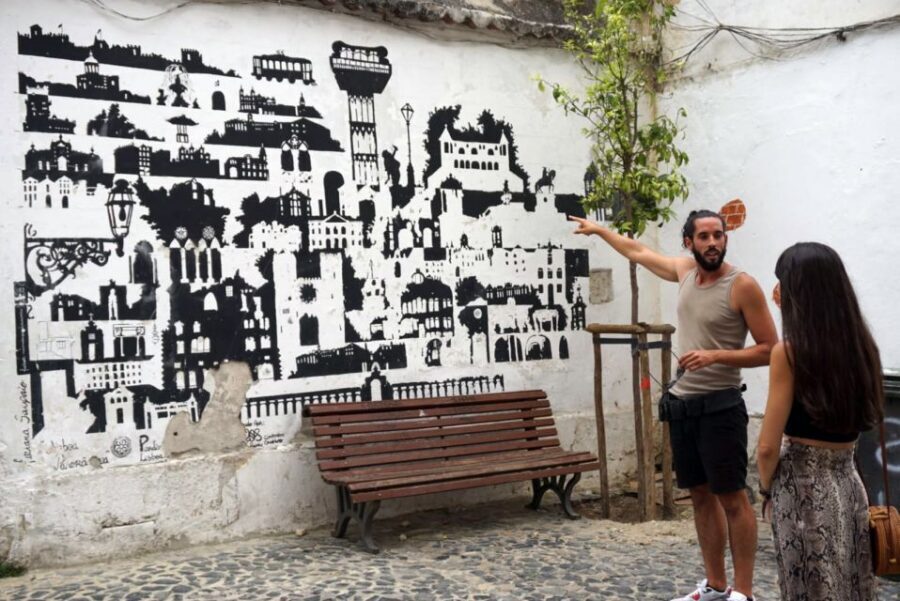
One of the best moments is tasting ginjinha in a local tavern. This is the kind of stop that works whether you love Portuguese drinks or you’re just curious. The tour doesn’t frame it as a checklist item; it presents it as something you’d actually have in the neighborhood while music and conversation are happening.
You’ll also have the chance to listen to music at the taverns. The idea is simple: fado culture isn’t just a distant performance. It shows up in small spaces where people gather, and the tour gives you that atmosphere in a compact time window.
If you drink alcohol, this stop is a nice break from walking focus. If you don’t, the tone still helps you understand why people talk about fado like it’s part of identity, not just entertainment. Either way, you get a sense of the neighborhood’s rhythm rather than only its scenery.
San Antonio Bakery and the pastel de nata you’ll remember
The tour includes a Portuguese custard tart, and it’s specifically connected to San Antonio Bakery for one of Lisbon’s best pastel de nata. This is one of those food stops where the format matters: you’re eating a classic right after you’ve earned it with walking, viewpoints, and neighborhood wandering.
I like custard tarts on travel days because they’re simple and satisfying. You don’t need a long sit-down meal, and you still get that hot, flaky contrast that makes Lisbon sweets feel special. And since this stop is part of the walking route, it fits the pacing instead of turning into a detour.
Practical tip: pastries cool fast, so if you’re the kind of person who likes every bite at its best, don’t linger too long once you’ve got your tart. Grab, eat, and then keep moving. Lisbon’s streets reward your momentum.
Also, note what’s not included: entrance fees to monuments or attractions if you choose to visit any sites during your walk. That means this is built for food and viewpoints, not big ticket admissions.
Mouraria side streets: where fado roots show up
After Alfama, you’ll spend time exploring Mouraria. This part is especially valuable if you’ve been thinking about fado as something you either understand or you don’t. Here, the tour connects the music to place, showing you the roots rather than treating it like a generic soundtrack.
Mouraria tends to feel different from Alfama—still old, still intimate, but with its own character. The tour gives you enough context to notice details you’d otherwise miss: the way streets funnel, where people gather, and how neighborhood culture forms around everyday life.
This is also a good segment if you want a slower mental pace. You’ve already done viewpoint effort and food effort. Mouraria feels like the reflective part of the tour, where you look at the city and think, oh, this is how traditions actually stick around.
Chão do Loureiro: the last viewpoint that makes the climbs feel fair
The tour finishes with stunning views at Chão do Loureiro Viewpoint. This stop is a strong closer because it ties everything together: the hills you’ve been climbing, the old streets you’ve been walking, and the sense of Lisbon as layered and steep.
I like that a final viewpoint also works as a decompression moment. You can take in the city without needing to interpret anything new. It’s also a practical finish if you plan to keep exploring after the tour, because you’ll leave with a clearer sense of where you are in relation to the rest of Lisbon.
If you’re tired, this is the point where you’ll be glad you had breaks earlier. The tour’s structure gives you enough high points that the end doesn’t feel like a punishment.
Price and value: what $40 buys you in 3 hours
At $40 per person for about 3 hours, this tour sits in a very reasonable range for central Lisbon guiding, especially when it includes food tastings. You’re not just paying for directions. You’re paying for:
- a guided walking route through Alfama and Mouraria
- Portuguese custard tart
- traditional ginjinha
- English live tour guidance
The value comes from the combination. A self-guided walk might get you views and streets, but you’d miss the fado context and the local tavern atmosphere that makes the neighborhoods feel alive. And a food-only stop wouldn’t give you the neighborhoods’ meaning or the viewpoint sequencing.
You also get small-group energy: private or small groups are available. That matters for comfort on narrow streets. With fewer people, you move more smoothly and the guide can adapt to the pace of your group.
So yes, $40 is fair here. You’re buying convenience, narrative, and included tastes in a single 3-hour block.
What to bring and how to avoid a sour day
Come prepared for a classic Lisbon walking reality: hills, stairs, and weather that can change quickly. The tour takes place rain or shine, and you’ll want to be ready for climbs.
Bring:
- Passport or ID card
- Comfortable shoes (seriously)
- Comfortable clothes
Leave behind:
- Pets
- Luggage or large bags
If you’re tempted to pack a big day bag, resist. Narrow streets and steep steps can turn luggage into a chore. A small crossbody or something you can keep on you comfortably works best.
Also, this tour is not suitable for people with mobility impairments or people with heart problems. If you fall into either category, the physical demands (climbs and uneven footing) are the reason to reconsider.
Who this tour is best for
This is a great fit if you:
- want a strong first tour day in Lisbon
- like neighborhood walking with stories attached
- want to understand fado culture in place, not just in a concert hall
- enjoy food tastings that feel local, including ginjinha and pastel de nata
It’s also ideal for couples and small groups who want conversation-friendly pacing. The reviews highlight an intimate feel and lots of stories, and guides like Igor are praised for being local and well connected.
If you’re someone who hates walking tours that include multiple viewpoints and climbs, you’ll likely feel the strain. Lisbon is hilly, and this one leans into that reality.
Should you book this Alfama and Mouraria walking tour?
I’d book it if you want Lisbon that feels lived-in: old streets, fado context, and real taste stops wrapped into a manageable 3-hour format. The combination of Alfama and Mouraria neighborhoods, viewpoints like Portas do Sol and Chão do Loureiro, and included snacks makes it more than a sightseeing walk.
Skip it if you need step-free mobility, if you have heart-related limitations, or if rainy weather makes you miserable and you can’t handle the climbs. Otherwise, it’s a smart early decision: it gives you both flavor and orientation, so your later Lisbon plans feel easier.
FAQ
How long is the Lisbon Alfama and Mouraria walking tour?
The tour lasts 3 hours.
What is the price per person?
The price is $40 per person.
Where does the tour start and what is the meeting point?
It starts at Praça do Comércio in Baixa-Chiado. Your guide will be waiting in front of the central statue in the middle of the square.
What food and drink are included?
The tour includes a Portuguese custard tart and traditional ginjinha.
Do I need to pay for any monument or attraction entrances during the tour?
Entrance fees to monuments or attractions are not included.
What viewpoints does the tour include?
You’ll see viewpoints like Portas do Sol and Chão do Loureiro, and the tour also mentions Sta. Luzia.
Is the tour guide available in English?
Yes, the live tour guide speaks English.
Is the tour private or in a group?
Private or small groups are available.
What should I bring and what is not allowed?
Bring passport or ID card and wear comfortable shoes and clothes. Pets and luggage or large bags are not allowed.
Does the tour run in bad weather?
Yes. The tour takes place rain or shine.
Is the tour refundable if I cancel?
Cancellation is free up to 24 hours in advance for a full refund.