One strange step, and you’re suddenly reading the distant past. This Jurassic Hiking tour takes you from Lisbon to Espichel Cape, where fossilized dinosaur footprints sit on dramatic Jurassic cliffs above the Atlantic. The day blends a guided pilgrimage-site walk with a real hike on rugged coastal paths, plus extra photo-friendly stops along the way.
What I really like is the hands-on, outdoorsy feel: a small group tour (up to 14) means you get attention when you’re searching the cliff edges for prints. I also love the way the guide connects the place to the science, not just the view—so you understand what sauropod and theropod tracks mean, and why the timing is so wild.
One thing to consider: this is weather-dependent, and the routes are outdoors. If the day turns windy or rainy, you may need to adjust expectations (or the tour may be rescheduled).
In This Review
- Key things I’d bet on before you go
- Getting to Cabo Espichel: pickup, timing, and a small-group day
- A quick reality check on “how strenuous?”
- Fortaleza de Santiago: salt views and a fortress with attitude
- Sesimbra streets: medieval vibes and seafood comfort food
- Cabo Espichel sanctuary: pilgrimage buildings before the dinosaur clues
- The dinosaur footprints: sauropods, theropods, and the cliff-view game
- The walking portion near the tracks
- Pace, comfort, and what to bring for a windy cliff day
- Value check: is $94.92 worth 7 hours of this much payoff?
- Who this tour suits best (and who should skip it)
- Should you book the Jurassic Hiking tour to Espichel Cape?
- FAQ
- FAQ
- What’s the meeting point for the Espichel Cape tour?
- Is hotel pickup included?
- How long is the tour?
- How big is the group?
- Is the tour offered in English?
- What will I see at Espichel Cape before the dinosaur tracks?
- How hard is the walk to the footprints?
- What happens if weather is poor?
Key things I’d bet on before you go
- Max 14 people: a small group that makes the guide easier to hear on the cliff walks.
- Espichel Cape facts + views: a guided look at chapels and buildings before you chase the dinosaur prints.
- Track viewing trick: some prints are easiest from across the way, so you’ll do a short walk to switch viewpoints.
- Moderate walking, rugged footing: not a marathon, but the ground can be uneven and exposed.
- Pickup from Lisbon, Sesimbra, Setúbal: less hassle than trying to self-transfer out to the cape.
Getting to Cabo Espichel: pickup, timing, and a small-group day
This is built as a proper day trip, about 7 hours in total, with two departure times so you can fit it into your Lisbon schedule. The big convenience is that hotel/accommodation pickup is offered for places in the Lisbon area, plus Sesimbra and Setúbal. If you’re not using pickup, you’ll meet at Hard Rock Cafe | Lisboa, Av. da Liberdade 2.
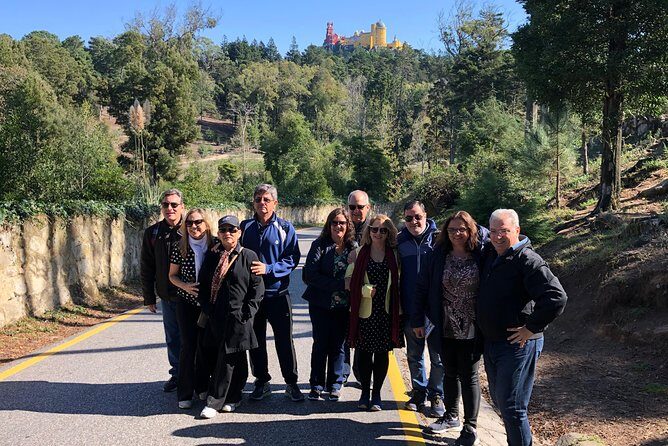
Once you’re moving, the pace feels like a tour that wants you to see things, not just check boxes. And with a maximum of 14 travelers, the group doesn’t stretch out—so your guide can keep an eye on footing when you’re close to edges or switching viewpoints.
The tour also uses a mobile ticket, which is one less thing to manage once you’re out in the park roads and trailheads.
A quick reality check on “how strenuous?”
From what the route experience suggests, it’s best described as a walk with some uneven, rugged bits, not a steep endurance hike. You’ll do a gradual descent to a viewing area for part of the track viewing, and there are uphill segments that are short. Still, wear shoes you’d trust on rough ground.
Fortaleza de Santiago: salt views and a fortress with attitude
The day begins with a stop at Fortaleza de Santiago in Sesimbra. This is a historic military structure where the real payoff is your photo time and the view. You also get a sense of the coastline’s power, plus a look at a pool of salt, which feels very Portuguese—working landscapes and sea-driven industry.
It’s not a long stop—about 30 minutes—and the good news is admission is free for this part. So you’re not losing your day to ticket lines or extended museum time.
Practical tip: if you’re the type who likes to take photos slowly, this is where you’ll want to move early and get your angles. The rest of the day has walking, and time shifts fast.
Sesimbra streets: medieval vibes and seafood comfort food
Next is Sesimbra, about 1 hour 30 minutes. Think of it as your reset break: medieval street atmosphere, local rhythm, and plenty of places to eat.
This stop is also free to enter (no paid attractions here in the listed plan). The town is known for seafood, and it’s a good moment to grab something that feels like you’re actually in the region—not a generic tourist menu.
If you want to keep the hike comfortable, go easy on heavy, super-greasy meals right before the cape. You’ll be outdoors afterward, and you’ll be happier if your stomach stays chill.
Cabo Espichel sanctuary: pilgrimage buildings before the dinosaur clues
Now we get to the heart of the tour: Cabo Espichel, the Jurassic-cliff promontory where people have long been drawn to the edge of isolation—rough, arid, and hard to reach. The guide leads you through the sanctuary area first, and that matters, because it gives context for what you’re seeing.
You’ll visit key parts of the pilgrimage complex, including:
- the Memory chapel
- the church
- old hostels
- Casa da Ópera
- the aqueduct
- Casa da Água
This is described as a rare, monumental sanctuary for religious pilgrimages in Portugal, designed as a full architectural complex rather than a single chapel sitting alone. Even if you don’t care about buildings, it’s useful because you’re learning how the site is laid out on the headland—so later, when you’re scanning cliff ledges for fossils, your brain understands the geography faster.
Admission is also free at this stage, which helps keep the day feeling like a value—not a long list of paid entrances.
The dinosaur footprints: sauropods, theropods, and the cliff-view game
The moment you came for: the dinosaur footprints at Espichel Cape. These are ichnofossils, meaning they’re fossilized track impressions left by animals—specifically saurops and theropods—around 150 million years ago.
Here’s what makes this experience more than just standing near a sign:
- You’ll learn what kinds of footprints you’re looking at and how the guide explains differences.
- You’ll discover that some prints are not simply “in front of you.” Certain tracks are easiest to see from across the way.
- You’ll get the viewpoint shift by doing a short walk to an opposite viewing position.
One key detail that really sticks: there are two sets of prints separated by about 50 meters, but they represent prints from almost 50 million years apart. That’s the kind of fact that turns the walk into a real science moment, not just sightseeing.
The walking portion near the tracks
The track viewing involves a gradual descent to a viewing platform. The walk is described as gentle, with rugged terrain but a well-worn path. Uphill parts are short—nothing that should feel like a wall, assuming you’re comfortable walking on uneven ground.
Also, pay attention during the guide’s explanation near the first viewing point. The first set of prints can be hard to spot at first glance, especially if you’re staring at the wrong cliff line.
If you’re coming as a dinosaur fan, this is where the guide’s timing helps: knowing when to be quiet and let your eyes adjust makes a difference. You don’t feel rushed into the next photo spot.
Pace, comfort, and what to bring for a windy cliff day
Because the emphasis is hiking and scanning cliffs, your comfort matters. The tour requires good weather, and it’s easy to underestimate how quickly wind and salt air can make you feel cold, even in pleasant months.
What I’d pack:
- Closed-toe shoes with grip for rugged, uneven ground
- Light layers (Cape wind can change fast)
- Sunscreen and a hat for open viewpoints
- Water (the walking is short-to-moderate, but it’s still outdoors)
How long you’ll be moving depends on your pace and photo habits, but expect a day where you’ll shift between guided segments and your own look time.
If your idea of a perfect day trip is long bus rides and minimal walking, this may feel like too much outdoors. If you like fresh air and you don’t mind being on your feet, it’s a solid match.
Value check: is $94.92 worth 7 hours of this much payoff?
At $94.92 per person for about 7 hours, the value comes from a few practical things that add up:
- Pickup and drop-off from your Lisbon/Sesimbra/Setúbal-area accommodation
- Small group size (up to 14), which usually means better attention
- A guided visit to a major pilgrimage site plus the track viewing walk
- Free admission is listed for the main stops in the day
You’re paying for time, guidance, and transportation—less for tickets and entrance fees. That’s a good deal for a day that feels like a mix of nature + architecture + science, all without a complicated self-planning headache.
Also, the tour is often booked fairly early—on average about 50 days in advance—so if you have fixed travel dates, it’s smart to lock it in sooner.
Who this tour suits best (and who should skip it)
This works especially well if you:
- want something more active than a sightseeing-only Lisbon day
- like authentic outdoor settings with real guided explanations
- enjoy geology or science stories that you can see with your own eyes
- prefer smaller groups over big-van crowds
It’s likely less ideal if you:
- need fully flat terrain for comfort
- get stressed by wind exposure or walking on rugged paths
- hate waiting for viewpoints where tracks are not instantly obvious
Should you book the Jurassic Hiking tour to Espichel Cape?
If you’re in Lisbon and you want a day trip that feels different from the usual city tour, I’d book this. The combination is rare: a guided pilgrimage sanctuary, cliffside views, and real fossilized dinosaur tracks explained in a way that helps you actually locate what matters. And with hotel pickup plus a small group, the planning effort is low.
The only reason I’d hesitate is if your schedule is tight and the weather is uncertain. Since the experience depends on good weather, you’ll want a flexible day window. Otherwise, it’s a strong choice for travelers who want their Portugal day trip to have both meaning and motion.
FAQ
FAQ
What’s the meeting point for the Espichel Cape tour?
The tour meets at Hard Rock Cafe | Lisboa, Av. da Liberdade 2, 1250-144 Lisboa, Portugal.
Is hotel pickup included?
Yes. Pickup is offered from hotels or accommodations in Lisbon area, and also from Sesimbra and Setúbal.
How long is the tour?
The duration is about 7 hours.
How big is the group?
The maximum group size is 14 travelers.
Is the tour offered in English?
Yes, the tour is offered in English.
What will I see at Espichel Cape before the dinosaur tracks?
You’ll visit the Memory chapel, the church, old hostels, Casa da Ópera, the aqueduct, and Casa da Água, before heading to the cliff viewpoints for the footprints.
How hard is the walk to the footprints?
It’s described as a moderate, gentle walk with rugged terrain, using well-worn paths. You may do a gradual descent to reach a viewing platform.
What happens if weather is poor?
This experience requires good weather. If it’s canceled due to poor weather, you’ll be offered a different date or a full refund.